
Compton Acres: One of England's Great Private Gardens
Compton Acres gardens offer a uniquely immersive experience on the Dorset coast: a collection of themed ornamental gardens, laid out in the early twentieth century, that pack several very different worlds into one site between Bournemouth and Poole. These gardens are made for slow wandering, and they richly reward visitors who take their time to explore each carefully crafted area.
The essentials
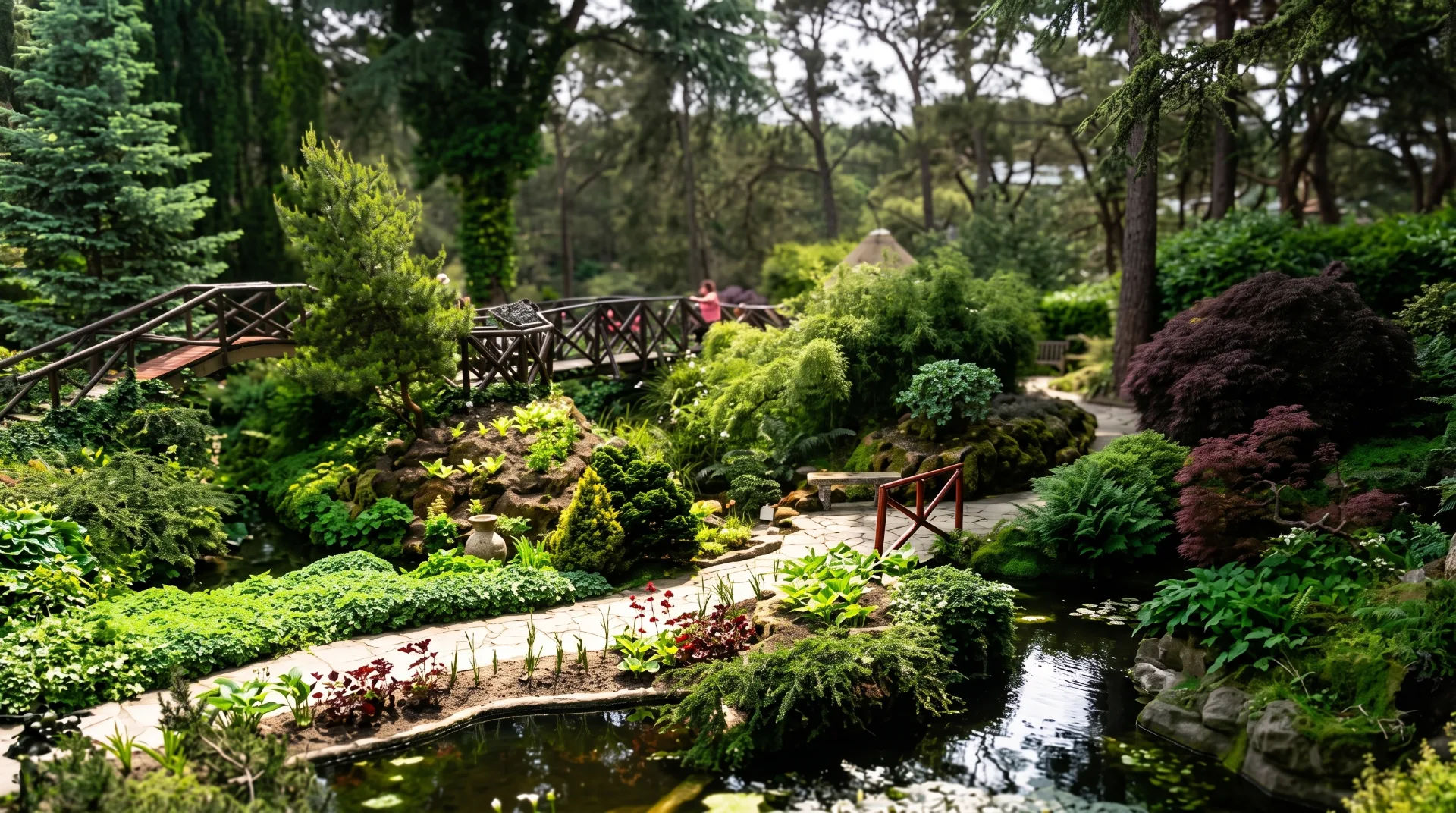
Location and setting
The Compton Acres gardens are located at Canford Cliffs, a charming and affluent area nestled between Bournemouth and Poole. This prime position makes the gardens easily accessible for visitors exploring the wider Dorset coast or the nearby towns. Canford Cliffs itself is known for its scenic coastal views and elegant residential streets, providing a peaceful backdrop to the gardens.
Garden themes and layout
Compton Acres gardens are composed of several themed areas, including Japanese, Italian, and rock and water gardens, all arranged within a single site. Each garden offers a distinctive atmosphere and design, creating a varied and engaging experience for visitors. The layout encourages exploration, with pathways leading through different garden "rooms," each with its own character and planting style.
Admission and facilities
As a private garden, Compton Acres charges an admission fee, which contributes to the upkeep and preservation of the site. It is advisable to check the latest visitor information and opening times before planning your visit, as these can vary seasonally. The site includes a café where visitors can enjoy tea, coffee, or light lunches, making it an ideal destination for a half-day outing. The café overlooks parts of the gardens, providing a tranquil spot to rest and reflect on the visit.
Compton Acres gardens: A garden of gardens
Distinctive garden areas
What sets Compton Acres gardens apart is the way they divide into distinct, self-contained gardens rather than presenting one large, uniform display. Visitors move from a formal Italian garden into a serene Japanese garden, complete with characteristic bridges and stone lanterns, then descend through rock and water gardens and quieter wooded corners. Each area has its own character and mood, offering a rich tapestry of horticultural styles and cultural influences.
Transitions and atmosphere
The transitions between the different gardens are a highlight of Compton Acres gardens: turning a corner brings a complete change in planting style, garden structures, and even ambient sounds. This variety gives the site a sense of scale and surprise that a single-style garden could not achieve. It is also why many visitors return in different seasons to experience the changing moods and colours throughout the year.
The themed gardens in detail
The Japanese garden is the best known and often the longest-visited area within Compton Acres gardens. It is carefully arranged around water features, reflecting the precise composition typical of traditional Japanese garden design. Visitors will find tranquil ponds, graceful bridges, and carefully placed stones that invite contemplation and calm.
The Italian garden contrasts this with its formal, symmetrical layout centred on a reflective pool and clipped planting. The design evokes the grandeur of Renaissance gardens, with neatly trimmed hedges, terracotta pots, and statues that create a sense of order and elegance.
Elsewhere, the rock and water gardens use the natural slope of the site to create streams and pools weaving through the beds. These areas showcase a more naturalistic style, with rugged rocks, flowing water, and hardy plants that thrive in the varied microclimates.
The wooded and heather areas soften the edges of the gardens, adding quiet spots for contemplation and wildlife watching. Because each garden is planted to achieve its own effect, there is almost always colour somewhere on the site throughout the year, making Compton Acres gardens a destination for all seasons.
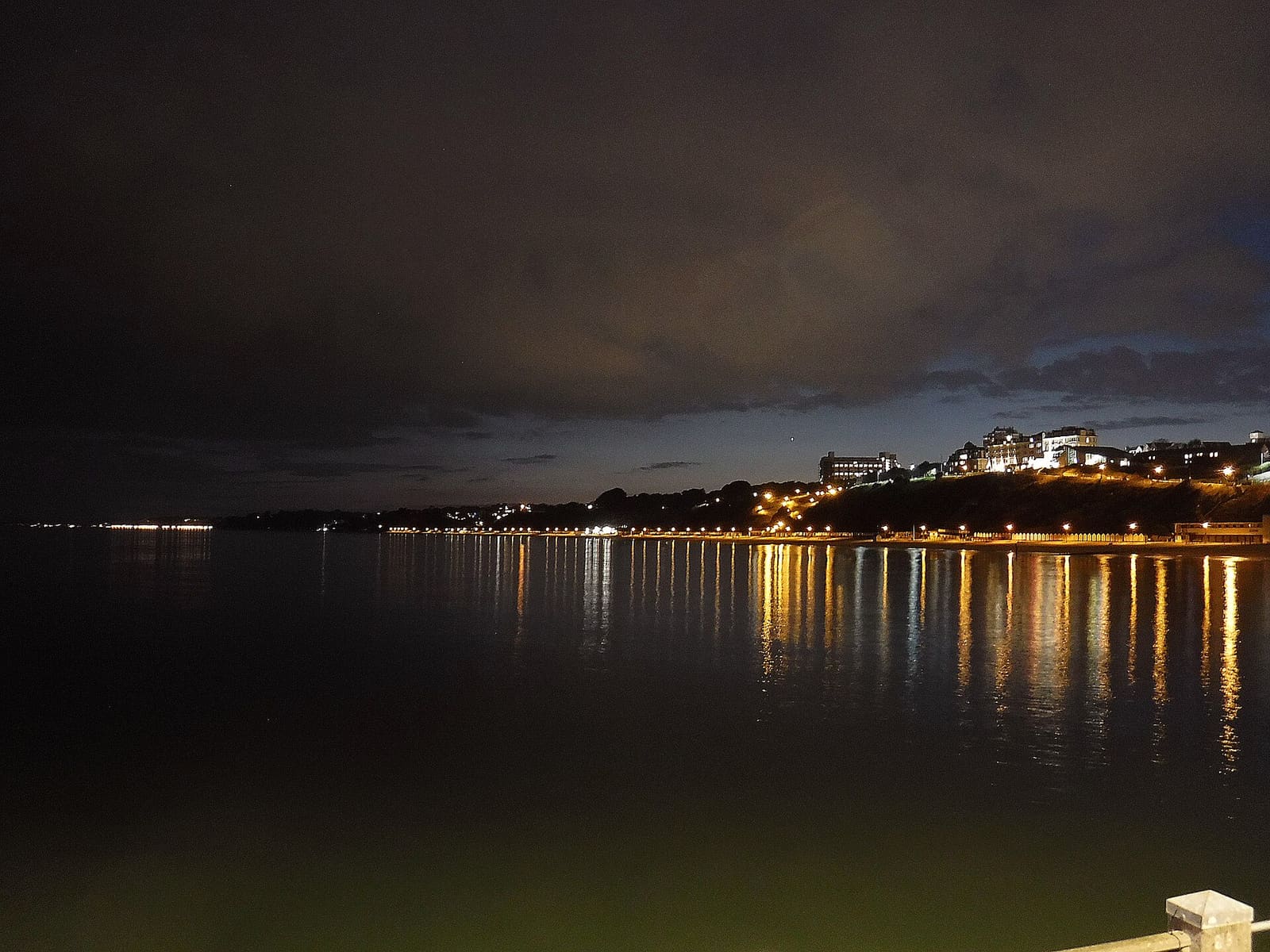
Compton Acres gardens through the year
Seasonal highlights
Compton Acres gardens change markedly with the seasons, so there is no single best time to visit. Spring brings fresh growth and blossom, filling the gardens with delicate colours and scents such as cherry blossoms in the Japanese garden and vibrant tulips in the Italian section.
Summer sees the formal beds at their fullest and most vibrant, with roses, lavender, and other summer perennials in full bloom. The water features sparkle in the sunshine, and the shaded wooded areas offer a cool retreat.
Autumn offers a different palette in the wooded areas, with rich golds, reds, and browns transforming the gardens. The rock and water gardens also take on a mellow tone as the light softens and the days shorten.
Year-round appeal
Even in the quieter months, when fewer flowers are in bloom, the structure of Compton Acres gardens remains striking. The water features, stonework, evergreen planting, and architectural elements provide interest and shape throughout the year. It is worth checking what is looking its best before you visit, as well as confirming opening times, since these shift seasonally.
A calm half-day at Compton Acres gardens
Pace and experience
Compton Acres gardens are not a thrill attraction, and that is their strength. They invite visitors to walk slowly, sit by the water, and take a break from a busy coastal itinerary. The garden’s paths include steps and slopes but are designed for ambling rather than brisk walking, making the experience accessible and relaxing.
The gardens provide a peaceful environment for reflection, photography, and simply enjoying the beauty of nature and design. Many visitors find it a refreshing contrast to the bustling nearby beaches and town centres.
Refreshments and rest
The on-site café offers a natural halfway point for tea or lunch, making a visit here a relaxed half-day experience. The menu typically includes light meals, homemade cakes, and refreshments served in a bright, welcoming space overlooking parts of the gardens. It is an easy antidote to a morning spent on a packed beach, providing calm and quiet in a beautifully landscaped setting.
Getting there and combining your visit
Location and access
The gardens are situated on the road between Bournemouth and Poole, near Sandbanks. This location makes Compton Acres gardens simple to combine with other local attractions for a full day out. The site has parking facilities, but it is important to confirm these details when checking the opening times to ensure a smooth visit.
Nearby attractions
Many visitors pair Compton Acres gardens with time in Poole, whether exploring the historic quay, enjoying the harbour, or relaxing on nearby beaches. The two are only a short drive apart, making it easy to include both in your itinerary. Bournemouth’s seafront and gardens are also within easy reach, offering further options for a varied day out.
Practical tips
Since Compton Acres is a private garden, parking and access arrangements are managed independently. Visitors should check the official website or contact the gardens directly for the latest information on opening times, admission prices, and any special events or restrictions.
Where Compton Acres gardens fit in the local scene
A standout garden attraction
Compton Acres gardens are one of the standout garden attractions in the Bournemouth and Poole area. Their unique combination of themed gardens offers a rich experience for garden lovers and casual visitors alike. The gardens are often praised for their meticulous maintenance, historical significance, and the peaceful atmosphere they provide.
Part of a wider outing
The gardens work best as a calm centrepiece to a day that also includes Poole or the Dorset coast. Use this guide to plan your visit alongside nearby places, so your trip feels like a connected outing rather than a stop on its own. The surrounding area also offers opportunities for coastal walks, wildlife spotting, and exploring charming Dorset villages.
For more ideas on things to do in the area, explore our Things to Do section or check out our guide to the best coastal walks in and around Bournemouth. For official visitor information about the local area, see the BCP Council website, and for broader Dorset tourism insights, visit Visit Dorset. Background on Bournemouth and its surroundings can be found on Wikipedia.