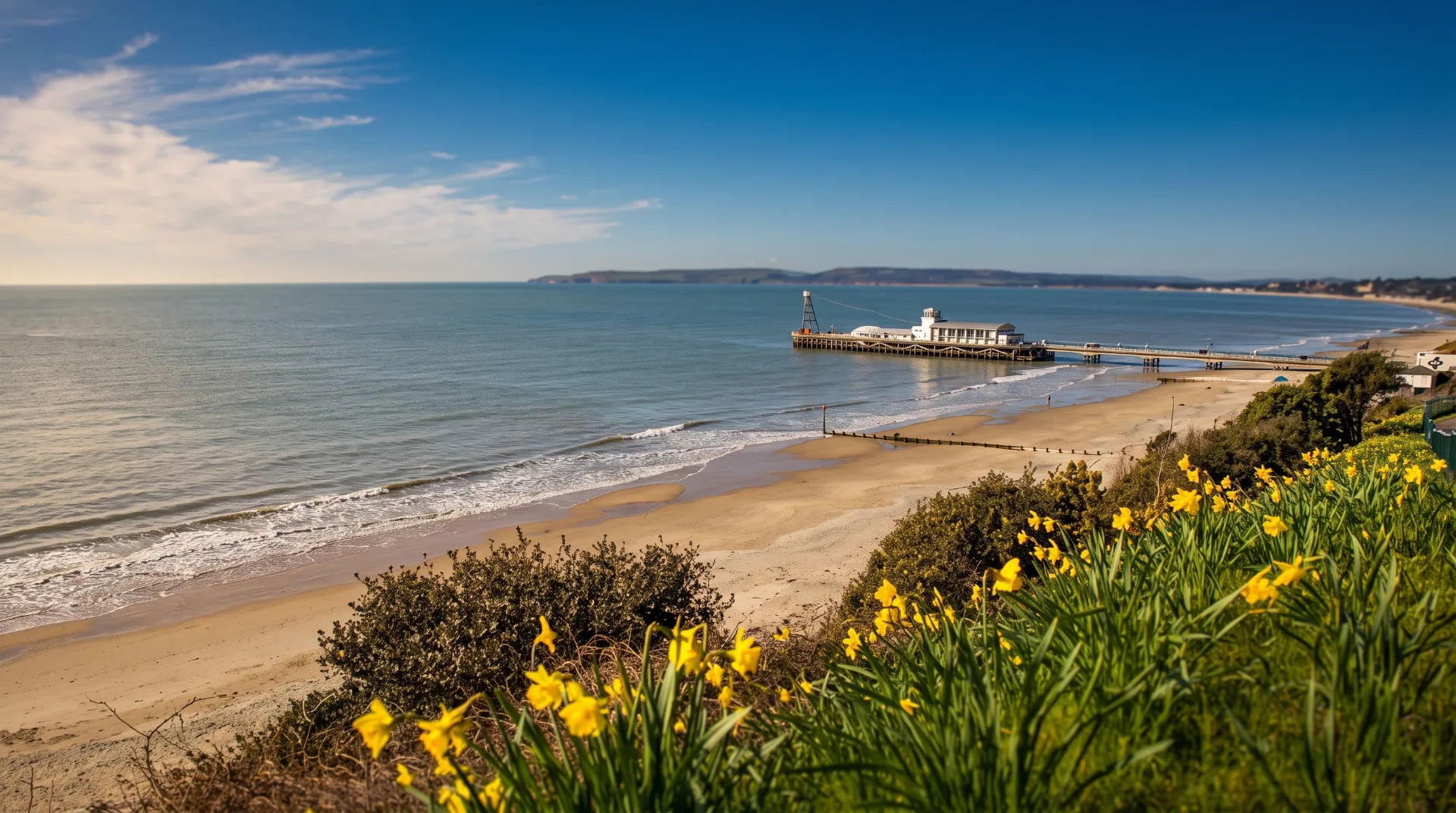
Hengistbury Head is a sandstone headland at the eastern edge of Bournemouth’s coastline, positioned between Christchurch Harbour and the English Channel. It is a designated Local Nature Reserve, Site of Special Scientific Interest, and a protected area known for its wildlife, archaeology, and extensive walking routes. This page covers what to see and do on Hengistbury Head, its history, practical details for visiting, and nearby attractions. For more background, see Wikipedia on Hengistbury Head.
What to see and do on Hengistbury Head
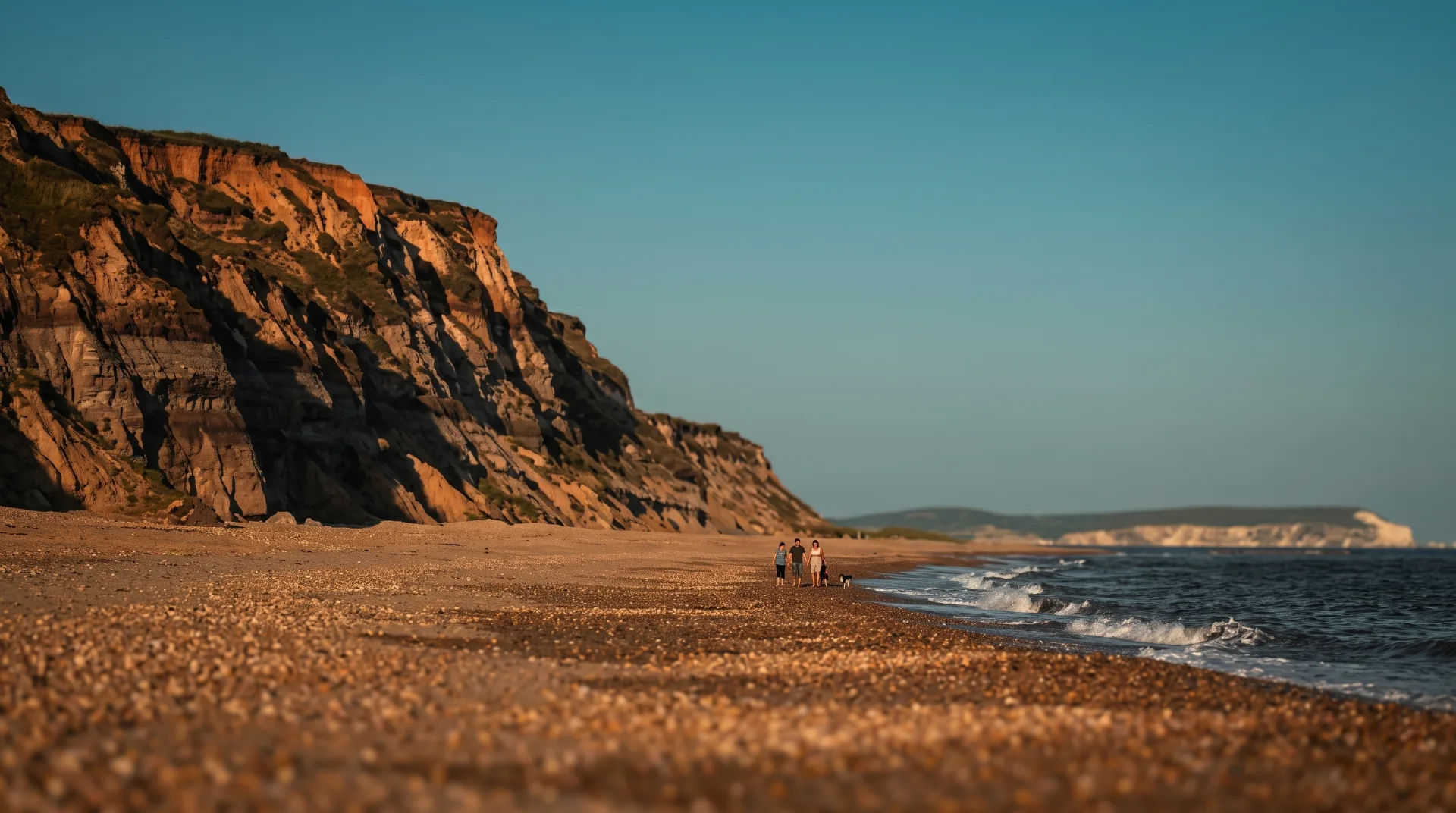
Hengistbury Head offers a variety of outdoor activities centred on nature and heritage. The reserve features several well-maintained trails that lead visitors through heathland, low cliffs, and reed beds. One of the most popular routes climbs Warren Hill. Viewpoints there provide panoramic sights eastwards across the Solent to the Isle of Wight and the Needles rock formations. Inland views stretch over Christchurch Harbour. This is a significant habitat for wading birds and a noted birdwatching location on the south coast.
The headland’s diverse habitats support a wide range of wildlife throughout the year. Migrating birds such as curlews and oystercatchers are common in spring and autumn. Butterflies including the rare silver-studded blue can be spotted in summer. The sandy dunes near the harbour mouth shelter specialised plants adapted to salt spray and shifting sands. Bird hides and benches are positioned along the main walking loops. These allow visitors to observe wildlife without disturbance.
A complete circuit walk around Hengistbury Head typically takes around two to three hours at a moderate pace. The route passes the exposed cliffs facing the open sea and the calmer waters of Christchurch Harbour. At the tip of the headland, the sandy beach and dunes meet the harbour entrance. A cluster of brightly painted beach huts stands as a distinctive feature there. This area is popular for photography and picnics, with views over the sea on one side and the harbour on the other.
The Hengistbury Head Visitor Centre provides seasonal exhibitions and information about the reserve’s natural and archaeological significance. It is a good starting point for first-time visitors seeking maps and advice on routes. For official visitor information, see BCP Council.
Walking routes and wildlife spotting
- Warren Hill Trail: 1.5 miles, moderate incline, panoramic views
- Harbour Loop: 2 miles, flat and suitable for families
- Coastal Cliffs Path: 1 mile, exposed with sea views, more challenging
Bird hides are located near the reed beds on the harbour side. Seasonal guided walks are sometimes organised by the reserve’s rangers.
History of Hengistbury Head
Hengistbury Head has been inhabited and used by humans for thousands of years. Archaeological evidence shows continuous settlement from the Stone Age through to the Iron Age. During the Iron Age, it became a significant trading port. The headland’s position between the harbour and the open sea made it an ideal location for exchange of goods across the English Channel. This predates Roman occupation.
One of the most notable historical features is the Double Dykes, a large earthwork defensive bank constructed during the Iron Age. These ramparts are still visible and mark the boundary of the ancient settlement. Excavations have uncovered pottery, metalwork, and tools that illustrate the site’s importance in prehistoric trade networks.
During the 19th and 20th centuries, Hengistbury Head was quarried for its sandstone. This stone was used in local building projects. The quarrying ceased in the mid-20th century. This allowed the area to be restored and designated as a nature reserve.
The Hengistbury Head Visitor Centre offers displays on the archaeological finds and the history of human activity on the headland. It also explains the ongoing conservation efforts to protect both the natural environment and the historic remains. For more on the heritage, see the National Trust.
Visiting Hengistbury Head: access, facilities and practicalities
Hengistbury Head is open year-round with free access on foot. The main entrance is off Mudeford Road, where a pay-and-display car park is available. Parking charges apply, with rates set by the local council. Visitors arriving by car should note that the car park can fill up during busy weekends and holidays.
A café and public toilets are located near the car park. They provide refreshments and facilities before or after walks. The visitor centre is open seasonally, typically from spring through early autumn. It offers maps, guides, and educational displays.
In the warmer months, a land train service operates from the car park to Mudeford Sandbank. This is a sandy spit on the harbour side. The service reduces the walking distance to the beach huts and the passenger ferry that crosses to Mudeford Quay. The ferry runs regularly during the summer. It links Hengistbury Head with Mudeford village and the wider Christchurch area.
Walking paths near the car park are mostly level and suitable for all ages. However, routes climbing Warren Hill and the coastal cliffs involve steeper gradients and exposed sections. Visitors should wear sturdy footwear and bring windproof clothing, especially on breezy days.
Dogs are welcome in most parts of the reserve. Seasonal restrictions apply on the beach and in sensitive wildlife areas during nesting season. Visitors should observe signage and keep dogs on leads where indicated.
Getting to Hengistbury Head
- By car: Approximately 10 minutes from Bournemouth town centre via the A338 and Mudeford Road.
- By bus: Local bus routes connect Bournemouth and Christchurch with stops near Mudeford Road.
- On foot: Coastal paths link Hengistbury Head with Southbourne and Mudeford, suitable for walkers and cyclists.
For official travel advice, see BCP Council.
Costs and opening times
- Access: Free to walk the reserve
- Car parking: Pay-and-display, rates vary; check BCP Council website for current charges
- Visitor centre: Open seasonally, free entry
- Land train: Ticket prices vary; operated during spring and summer months
- Ferry to Mudeford Quay: Seasonal service, fares apply
Hengistbury Head is accessible throughout the year. Some facilities such as the visitor centre, land train, and ferry operate seasonally. The best time to visit for wildlife and walking is from late spring to early autumn. For more visitor tips, see Visit Dorset.
Who Hengistbury Head suits
Hengistbury Head is suitable for a wide range of visitors. Families with children can enjoy the flat harbour-side walks, beach huts, and open spaces for picnics. Birdwatchers and naturalists will find the reserve rich in species, with opportunities to spot rare butterflies and migratory birds. History enthusiasts can explore the Iron Age earthworks and archaeological displays.
Walkers seeking moderate exercise can take the hill trails and coastal paths for panoramic views and fresh sea air. The reserve’s combination of natural beauty and heritage makes it a rewarding destination for photography and quiet reflection.
Visitors with limited mobility may find some paths challenging due to uneven terrain and slopes. However, the harbour-side routes near the car park are more accessible.
Nearby attractions and further exploration
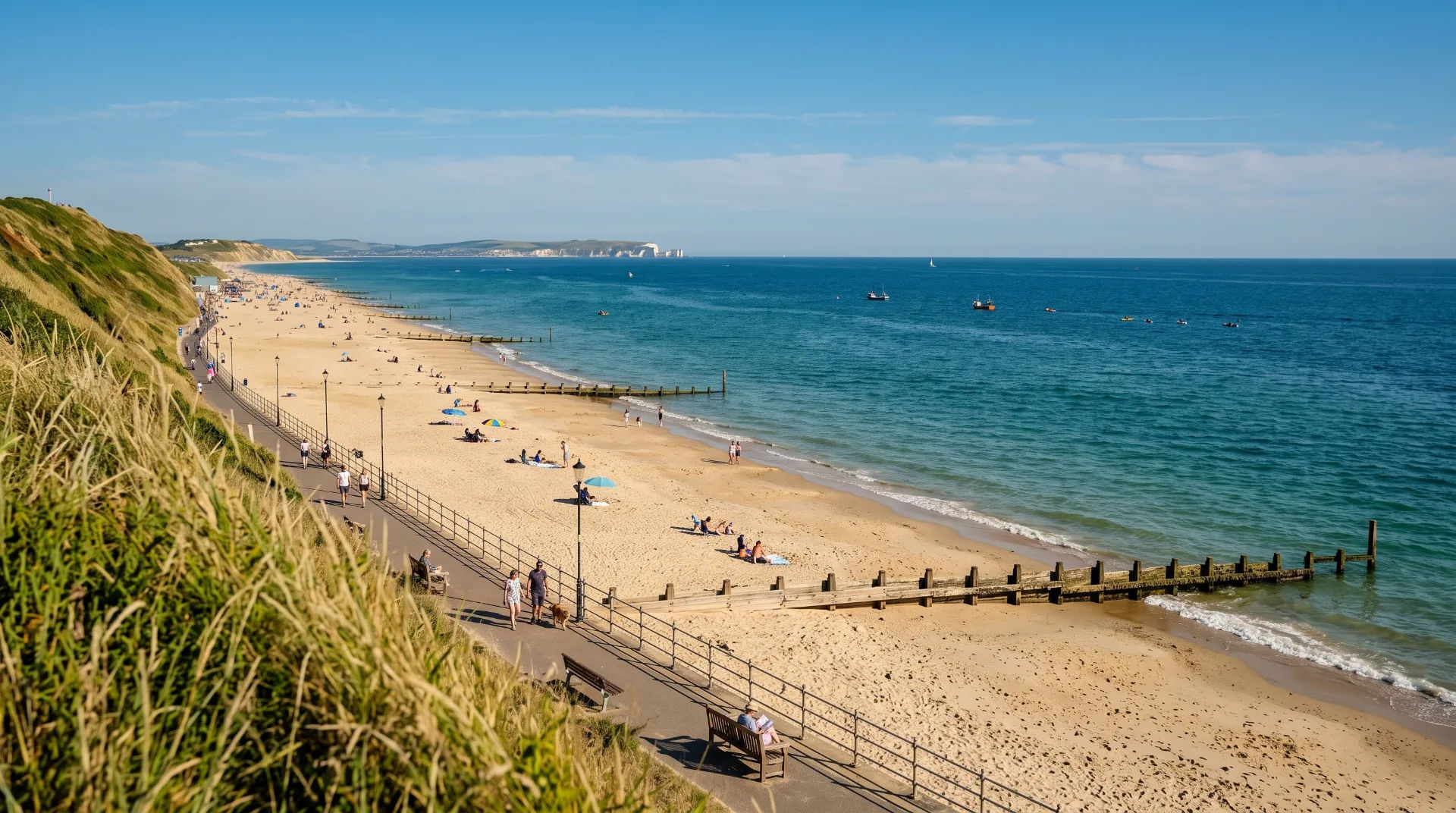
Hengistbury Head sits at the eastern end of Bournemouth’s seven-mile stretch of beaches. Heading west along the coast leads to Southbourne Beach, a family-friendly sandy beach with clifftop gardens and cafés. The nearby Christchurch Harbour area offers further walking routes and water-based activities.
For a broader range of activities and sights, the things to do in Bournemouth guide provides information on local attractions, gardens, and events. The Beaches section covers the full coastline, from Hengistbury Head to Bournemouth town centre and beyond.
The Visitor Information page offers details on travel options, weather, and the best times to visit the area. For those interested in coastal walks, the Best Coastal Walks in and Around Bournemouth guide highlights routes including Hengistbury Head and neighbouring headlands.