
Bournemouth welcomes visitors throughout the year, so deciding when to visit Bournemouth depends on what kind of experience you are looking for. Each season brings its own charm, whether you prefer lively events and warm beaches or quieter surroundings and lower prices. This guide explains what to expect in each season, helping you plan your visit to suit your interests and needs.
What Bournemouth is like in summer (June to August)
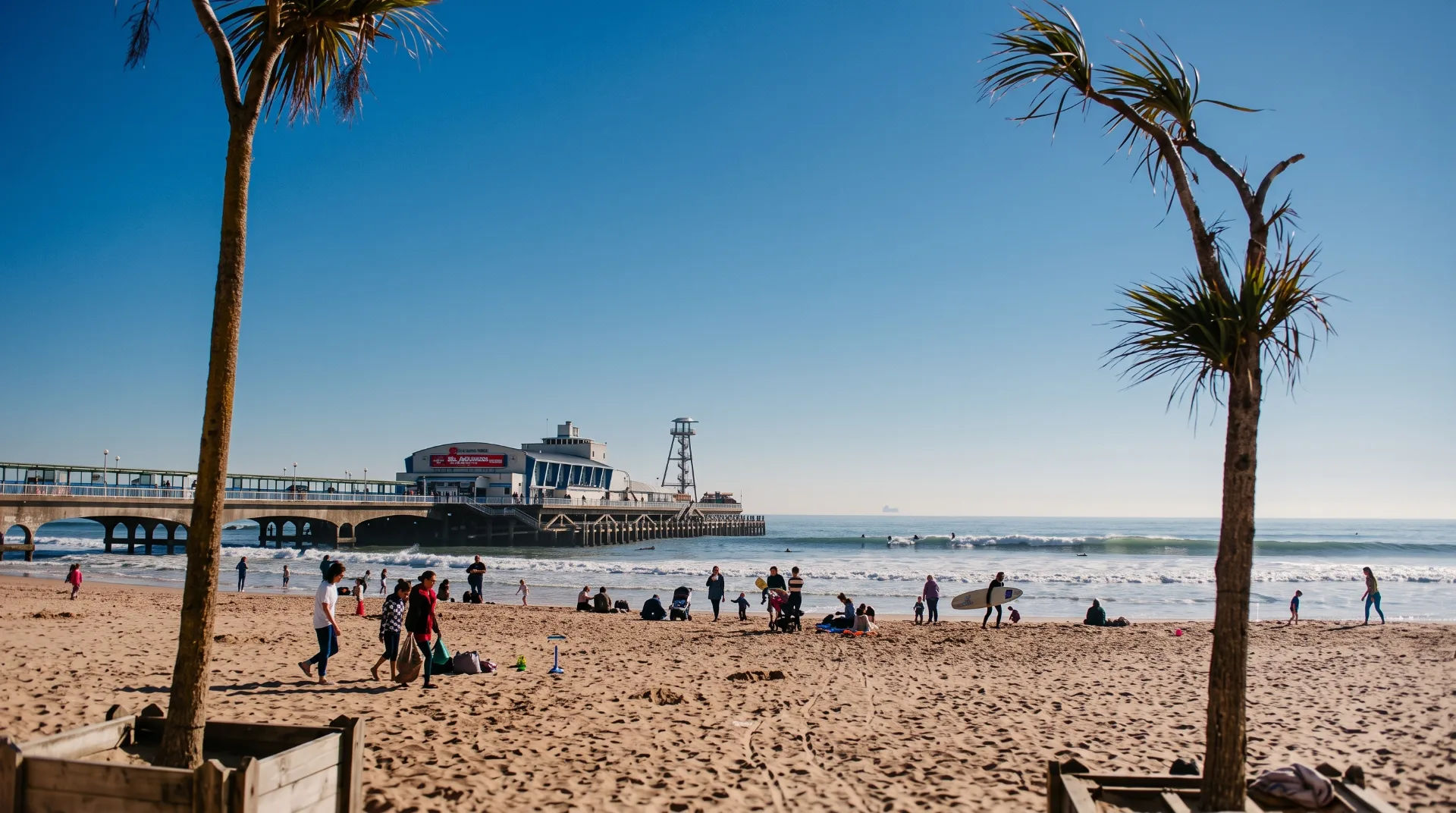
Summer is Bournemouth’s peak season, attracting the largest crowds to its seven miles of sandy beaches. Average daytime temperatures range from 18°C to 22°C, with sea temperatures rising to around 17°C to 19°C, making swimming comfortable for many. The town hosts major events such as the Bournemouth Air Festival in August, featuring aerobatic displays over the seafront, and regular fireworks on the pier, drawing thousands of visitors.
Accommodation prices reach their highest during these months, with hotels and serviced apartments often booked months in advance. Popular beaches like Bournemouth Beach, Alum Chine, and Boscombe Beach are busiest from mid-July to early September. Lifeguard cover is in place daily from May to September, ensuring safe swimming conditions.
While the town buzzes with activity, queues at restaurants and attractions can be longer, and parking spaces in central areas fill quickly. Public transport services increase frequency to accommodate visitors, with buses running every 10 to 15 minutes along the seafront.
Events and activities in summer
- Bournemouth Air Festival: four days of air displays and entertainment in early August.
- Beach Fest Bournemouth: live music and beachside fun over a weekend in August.
- Seafront fireworks: regular displays on Bournemouth Pier throughout summer evenings.
- Water sports: kayaking, paddleboarding, and sailing lessons available at Boscombe and Sandbanks.
Accommodation and costs in summer
- Hotel rooms typically range from £90 to £180 per night in central Bournemouth.
- Serviced apartments on the West Cliff start around £120 per night.
- Campsites and holiday parks near Bournemouth charge £30 to £50 per night for pitches.
- Booking at least three months in advance is advisable to secure availability and better rates.
Why spring (March to May) is a good time to visit Bournemouth
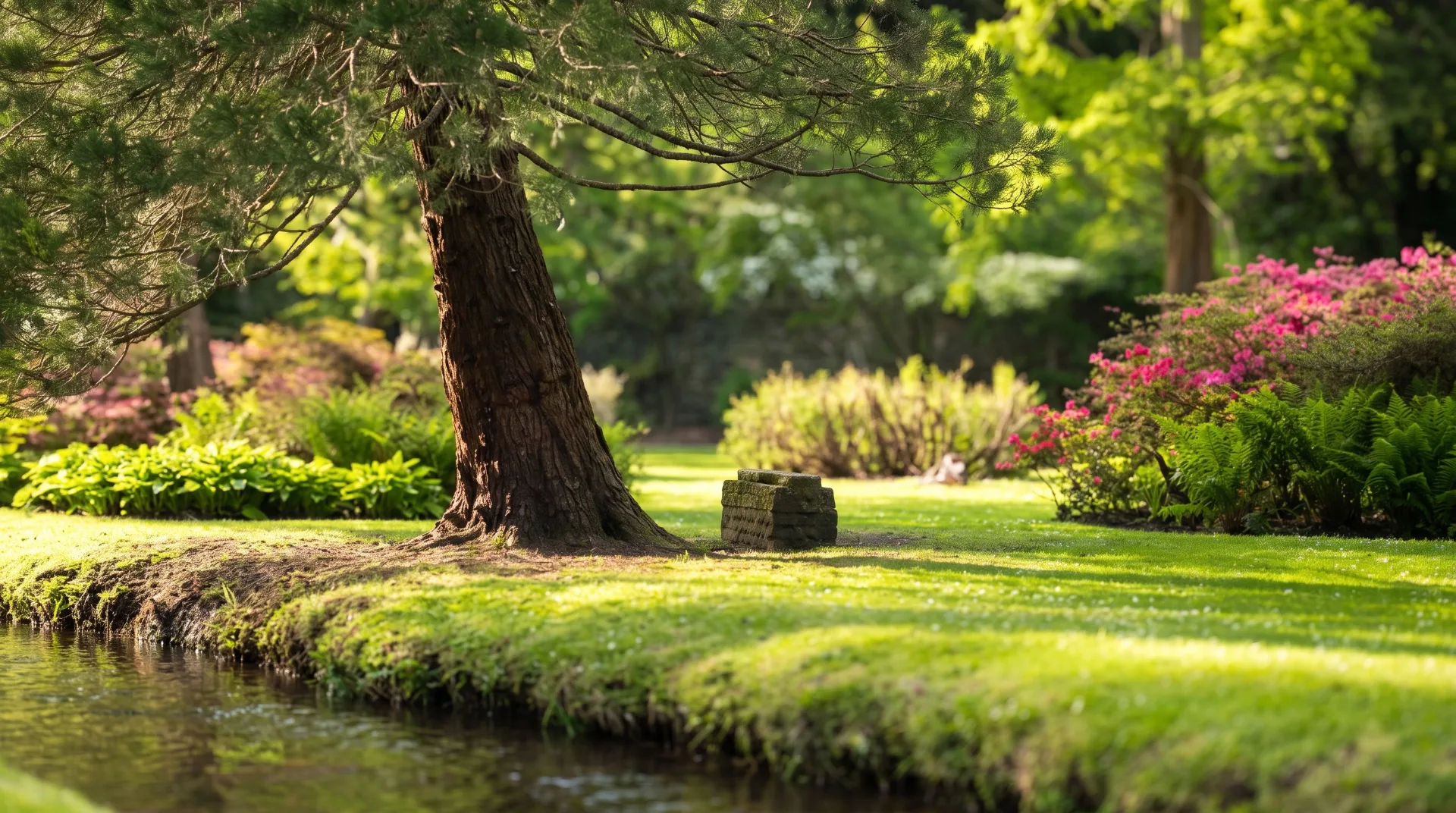
Spring offers a quieter and more affordable alternative to summer. Average temperatures rise from 9°C in March to 15°C in May, with increasing sunshine hours and occasional showers. The town’s gardens, including the Lower Gardens and Central Gardens, burst into colour with daffodils, tulips, and bluebells, making it an excellent time for walking and sightseeing.
Coastal paths along the East and West Cliffs are peaceful, ideal for hiking and birdwatching. Beaches are less crowded, though the sea remains too cold for most swimmers, averaging 9°C to 12°C. Many cafés and restaurants reopen for the season, often with special spring menus.
Accommodation prices are lower than in summer, with hotels and apartments offering discounts. Public transport is less busy, and parking is easier to find in town and near the beach.
Spring events and attractions
- Bournemouth Marathon Festival in April: road races and family fun runs.
- RHS Garden Rosemoor visits: spring flower displays in nearby Dorset.
- Museum of Design in Plastics: open with new exhibitions from March.
Accommodation and costs in spring
- Hotel rates typically range from £50 to £90 per night.
- Serviced apartments on the West Cliff start around £80 per night.
- Bed and breakfasts offer rooms from £40 to £70 per night.
- Early booking recommended for weekends and bank holidays.
What to expect in autumn (September to November)
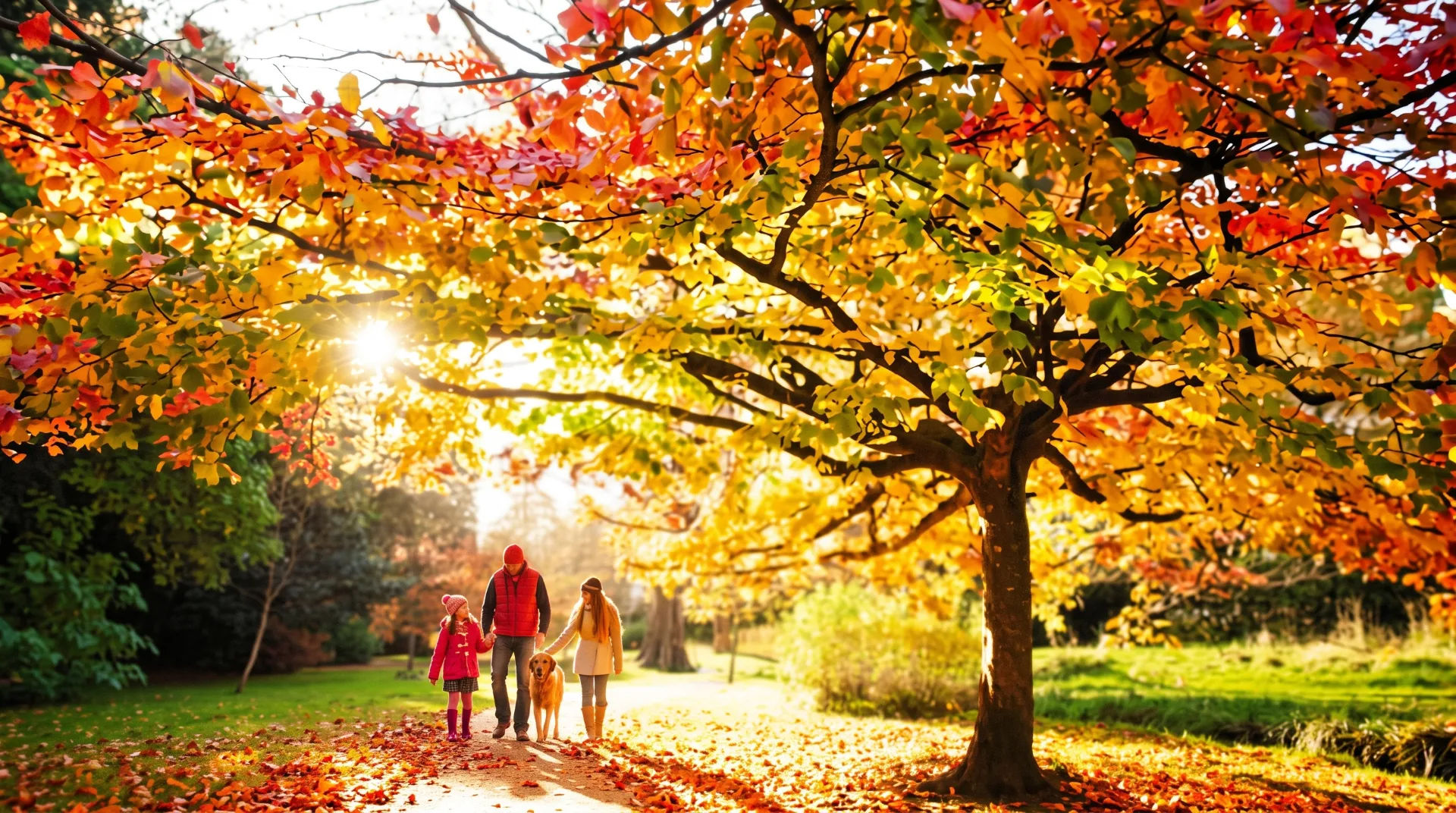
Autumn in Bournemouth features mild weather and fewer visitors. September temperatures average 17°C, dropping to 10°C by November. The sea remains warm enough for occasional swimmers in early autumn, around 16°C. The softer light and calmer atmosphere make this season ideal for photography, clifftop walks, and exploring the town’s cultural scene.
The calendar includes food festivals and arts events, such as the Bournemouth Food and Drink Festival in September and various gallery exhibitions. Beaches are often quiet, with plenty of space for walkers and dog owners. Some seasonal businesses reduce hours or close by November.
Accommodation prices fall after August, with good deals available from late September. Public transport runs regular services, though some seasonal routes reduce frequency after October.
Autumn events and activities
- Bournemouth Food and Drink Festival: local produce and tastings in September.
- Arts exhibitions at Russell-Cotes Art Gallery and Museum.
- Clifftop walks from East Cliff to Hengistbury Head.
Accommodation and costs in autumn
- Hotel prices drop to £45 to £80 per night.
- Serviced apartments available from £70 per night.
- Self-catering cottages in nearby villages start at around £60 per night.
- Booking a few weeks ahead is usually sufficient outside school holidays.
Visiting Bournemouth in winter (December to February)
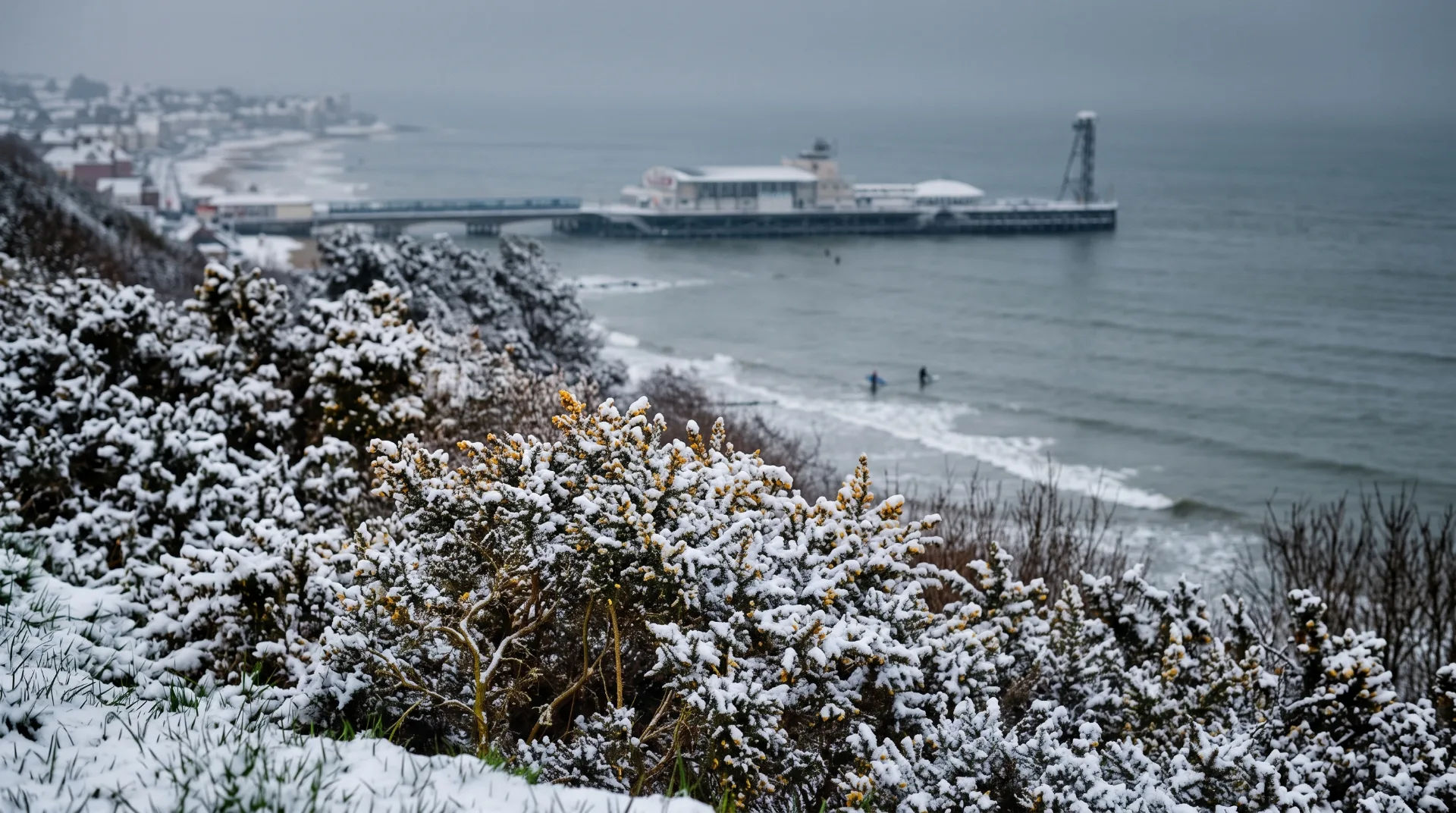
Winter is the quietest season in Bournemouth, with average temperatures between 3°C and 8°C. The town takes on a festive atmosphere in December with the Christmas Tree Wonderland and Alpine Village market in the Lower Gardens, featuring seasonal stalls, an ice rink, and fairground rides. These attractions run from late November through December.
After the holidays, the town is peaceful, with empty beaches and brisk sea air popular for walkers. Many cafés and pubs offer cosy interiors and seasonal menus. Some attractions close or reduce hours during January and February, but others remain open year-round.
Accommodation prices are at their lowest, making winter a good time for budget breaks. Public transport operates normally, and parking is generally easy to find.
Winter events and attractions
- Christmas Tree Wonderland and Alpine Village: festive market and entertainment.
- Winter walks along the beach and coastal paths.
- Indoor attractions such as the Oceanarium and Bournemouth Aviary remain open.
Accommodation and costs in winter
- Hotels offer rooms from £35 to £60 per night.
- Serviced apartments start at around £50 per night.
- Short-stay self-catering options available from £40 per night.
- Flexible booking policies common due to quieter demand.
How to choose the best time for your visit
Your choice of when to visit Bournemouth depends on your priorities. For warm weather and lively events, July and August provide the fullest experience but require early planning and higher budgets. Late spring and early autumn offer a balance of pleasant weather, fewer crowds, and better value. Winter suits visitors seeking quiet, festive charm, and lower prices.
Check the What's On calendar to align your visit with specific events or festivals. For accommodation, browse options in advance on the Where to Stay page to find hotels, serviced apartments, and self-catering properties that match your needs and budget.
For detailed advice on each season, see our guides on the Best time to visit Bournemouth and Bournemouth Visitor Information. Planning your trip with these resources ensures you make the most of what Bournemouth offers year-round.
For more on Bournemouth’s climate and geography, see Wikipedia. Official information on beaches and lifeguard cover is available from BCP Council. For visitor tips and Dorset-wide attractions, consult Visit Dorset.