
A gentle pace through gardens groves describes a leisurely day exploring Bournemouth’s varied green spaces, Victorian pleasure gardens and peaceful wooded areas. This itinerary guides visitors through a series of gardens and groves, highlighting walking routes, key features, and connections between each site.
The page covers a full-day walkable route linking Bournemouth’s Lower Gardens, Central Gardens, Upper Gardens, and several quieter groves and parks. It includes practical advice on timing, distances, and points of interest, allowing visitors to enjoy the town’s horticultural heritage and natural beauty at an unhurried pace.
Starting at Bournemouth Lower Gardens for a Victorian park experience
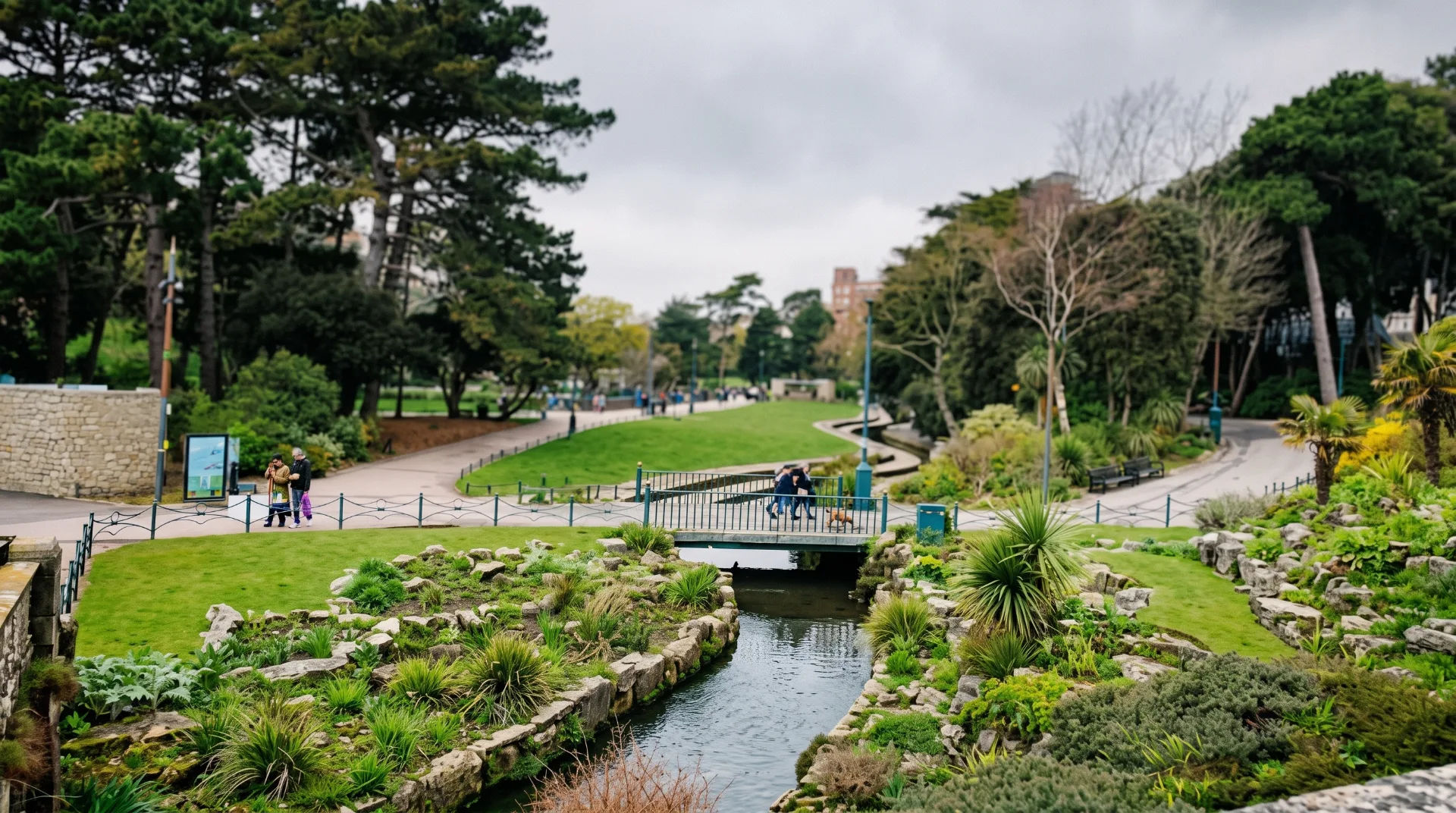
Begin your day at Bournemouth Lower Gardens, a Victorian parkland stretching from the town centre to the seafront. The gardens run alongside the River Bourne and cover approximately 20 acres. Here, you can enjoy formal flower beds, the aviary with around 200 rescued birds, seasonal events, and a miniature golf course.
Allow 1 to 1.5 hours to explore the gardens and visit the aviary, located near the Russell-Cotes Museum. The gardens are flat and accessible, making them suitable for all ages and abilities. From the Lower Gardens, it is a 10-minute walk east along the seafront to Bournemouth Pier, or a 15-minute walk north to the Central Gardens.
The Lower Gardens form the heart of Bournemouth’s green space and are a favourite spot for locals and visitors alike. The flower beds change with the seasons, showcasing vibrant colours from tulips and daffodils in spring to dahlias and chrysanthemums in autumn. Benches and kiosks are dotted along the paths, inviting you to pause and soak in the atmosphere.
Bournemouth Aviary in Lower Gardens
The Bournemouth Aviary is a free attraction open daily, home to a variety of bird species rescued from the wild or captivity. It offers an opportunity to see exotic and native birds in a peaceful setting. The aviary is situated near the eastern end of the Lower Gardens, close to the seafront.
Visitors can observe colourful parrots, finches, doves and other species in spacious aviaries designed to mimic natural habitats. The aviary is a calm retreat within the gardens and provides an educational experience for families and bird lovers.
Russell-Cotes Museum and Gardens
Adjacent to the Lower Gardens, the Russell-Cotes Museum is a Victorian villa with art collections and terraced gardens overlooking the sea. Visitors can combine a garden walk with a cultural visit here before continuing the route.
The museum’s gardens include exotic plants and well-tended flower beds, with stunning views over Bournemouth Bay. The terraced layout invites a gentle stroll and offers plenty of photo opportunities. The museum itself houses fine art, ceramics and curiosities collected by Sir Merton and Lady Russell-Cotes during their travels.
Walking through Central Gardens to connect to Upper Gardens
From the Lower Gardens, head north along Old Christchurch Road for around 5 minutes to reach Central Gardens. This narrow strip of Victorian parkland follows the River Bourne and links the Lower and Upper Gardens. It features mature trees, flower beds, and a historic war memorial.
Central Gardens provide a peaceful green corridor through the town centre, offering a welcome escape from urban bustle. The tree canopy creates dappled shade in summer, while the flower beds add seasonal colour. The pergola bridge built in 1990 is a charming feature, perfect for a rest or a photo stop.
Spend about 30 minutes walking through Central Gardens, enjoying the tranquil atmosphere and the pergola bridge. The gardens provide a pleasant route to the next destination and a glimpse into Bournemouth’s Victorian landscaping heritage.
Historic features in Central Gardens
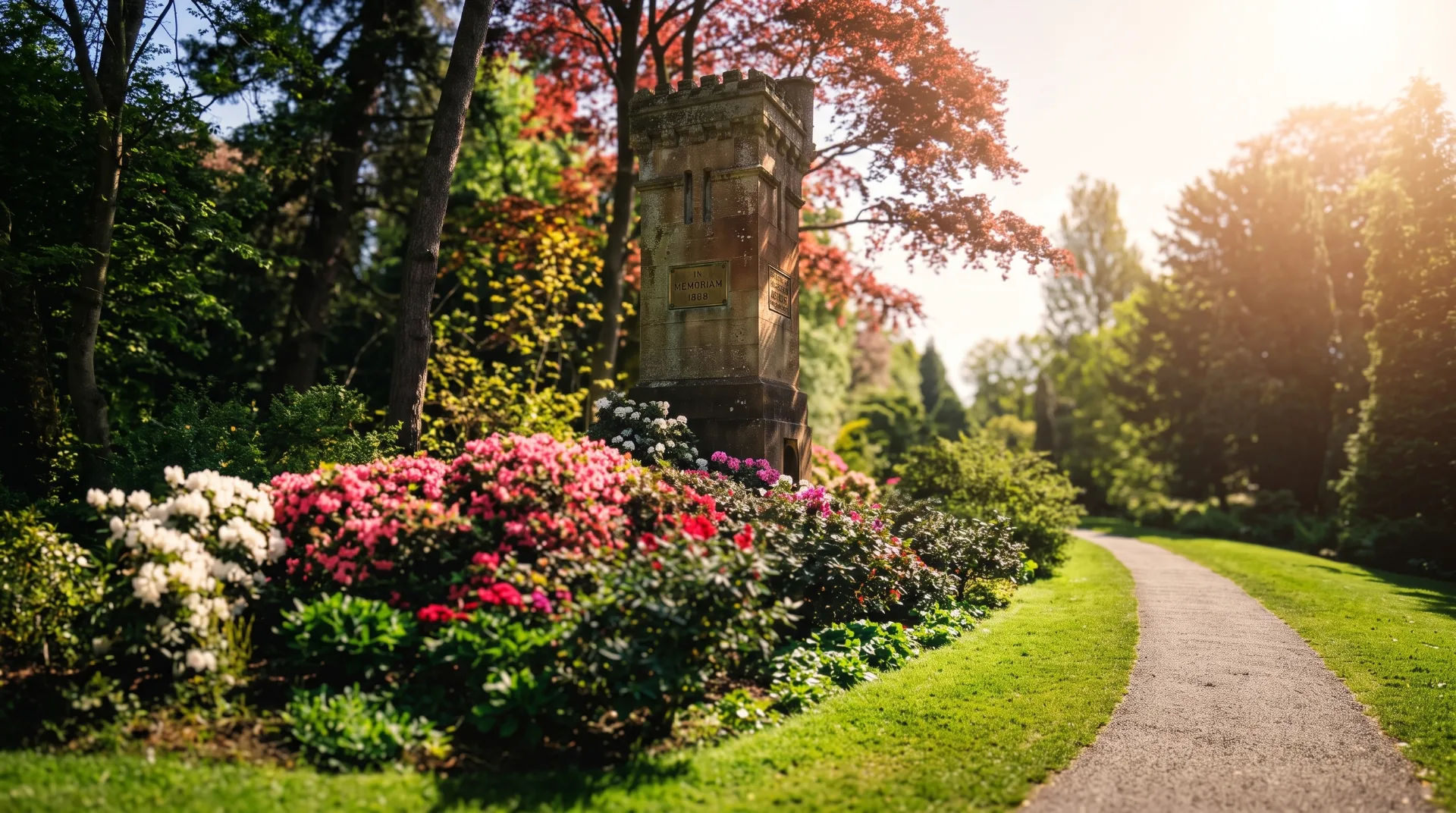
Central Gardens contain a Grade II-listed war memorial commemorating local soldiers and a pergola bridge that offers a shaded walkway. The gardens’ design reflects late 19th-century landscaping styles.
The war memorial stands as a poignant reminder of the town’s history and is surrounded by well-maintained flower beds and shrubs. The pergola bridge, with its wooden latticework, adds architectural interest and creates a sheltered path along the gardens.
Exploring Upper Gardens with exotic planting and woodland trails
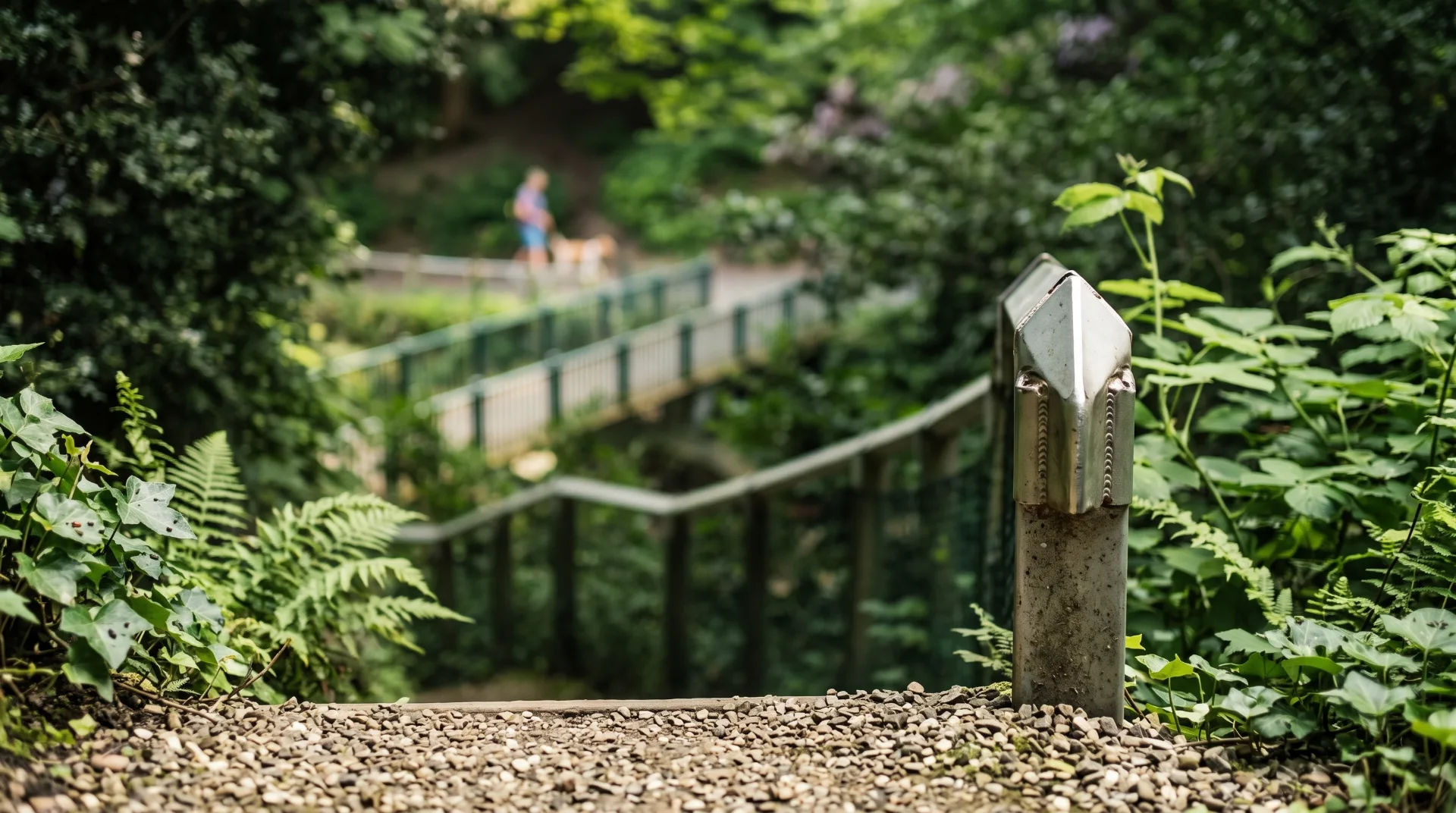
Continuing north from Central Gardens, you enter Bournemouth Upper Gardens, the wildest stretch of the Victorian pleasure gardens. Covering around 10 acres, the Upper Gardens feature exotic tree planting, a Gothic water tower, and a boardwalk trail leading to Coy Pond.
The Upper Gardens offer a more naturalistic experience, with winding woodland paths and varied planting that contrasts with the formal layout of the Lower Gardens. The exotic trees include species from Asia and the Americas, planted during Bournemouth’s heyday as a Victorian seaside resort.
Plan to spend 1 to 1.5 hours here, walking the woodland paths and enjoying the varied planting. The Upper Gardens are slightly more undulating than the Lower Gardens but remain accessible for most visitors. Benches are placed along the trails, inviting you to pause and listen to birdsong or watch for squirrels.
Coy Pond Gardens and nature trails
At the northern end of the Upper Gardens lies Coy Pond Gardens, a quiet ornamental pond with a 550-foot rockery. The area is managed by volunteers and offers a peaceful spot for reflection and wildlife observation.
Coy Pond is a haven for local wildlife, including ducks, frogs and dragonflies in summer. The rockery provides a striking backdrop, with cascading plants and natural stonework. The gardens are a favourite for photographers and those seeking a moment of calm.
Visiting nearby groves and smaller parks for quiet woodland walks
After the Upper Gardens, explore nearby groves and parks such as Knyveton Gardens and Boscombe Overcliff Gardens. Knyveton Gardens is a well-equipped public park with tennis courts, a bowling green, a sensory garden and a play area, located about 15 minutes’ walk east of the Upper Gardens.
Boscombe Overcliff Gardens is a clifftop nature reserve with sweeping views over Poole Bay and a small herd of feral goats. It lies approximately 2 miles east along the coast and can be reached by a short bus ride or a 40-minute walk from the town centre.
These quieter green spaces offer a contrast to the more formal pleasure gardens and are ideal for visitors wanting to extend their walk and enjoy woodland and coastal scenery.
Knyveton Gardens facilities
Knyveton Gardens offers sports facilities and a sensory garden designed for accessibility. It is suitable for families and visitors seeking a quiet green space close to Boscombe.
The sensory garden is designed to engage all the senses, with fragrant plants, textured surfaces and water features. The play area is well maintained, and the tennis and bowling facilities attract local clubs and casual players alike.
Boscombe Overcliff Gardens wildlife and views
The nature reserve at Boscombe Overcliff Gardens provides opportunities to see rare wildlife and enjoy panoramic sea views. The presence of feral goats adds interest for nature enthusiasts.
The clifftop paths are well marked and offer spectacular views across Poole Bay, especially on clear days. The goats, a small herd introduced to help manage vegetation, are a popular attraction and add a touch of wild charm to the gardens.
Practical information on timing, transport and accessibility
The full walking route through the Lower, Central and Upper Gardens covers approximately 2 miles and can be comfortably completed in 3 to 4 hours at a gentle pace with stops. Adding visits to Knyveton Gardens and Boscombe Overcliff Gardens extends the itinerary to a full day.
Bournemouth town centre is well served by buses connecting to Boscombe and the clifftop gardens. The town’s flat terrain and well-maintained paths make the gardens accessible for wheelchairs and pushchairs, though some undulating areas exist in the Upper Gardens.
Public toilets are available in the Lower Gardens near the aviary and at Knyveton Gardens. Refreshments can be found in cafés near the Lower Gardens and in Boscombe.
For those relying on public transport, frequent bus services run along the coast and through the town centre, making it easy to hop between gardens and other attractions. Car parking is available near the Lower Gardens and in Boscombe for visitors driving to the area.
Who will enjoy this gentle garden and grove itinerary
This itinerary suits visitors seeking a calm, nature-focused day with a mix of formal gardens, woodland paths and seaside views. It is ideal for families, older visitors, and those preferring a slower pace to explore Bournemouth’s green spaces.
The route offers a balance of accessibility and variety, with options to shorten or extend the walk. It complements visits to Bournemouth’s other attractions such as the pier, museums and beaches, which are within easy reach from the gardens.
Whether you want to enjoy a peaceful day surrounded by flowers and trees, experience local wildlife, or simply take a refreshing walk through historic and natural landscapes, this Bournemouth gardens walk is a perfect choice.
For further exploration of Bournemouth’s parks and gardens, see the dedicated Parks & Gardens guide, or plan a day combining gardens with coastal walks in the Explore section.