
Bournemouth Airport power outage causes major flight delays and cancellations
On 29 August 2026, Bournemouth Airport suffered a major power outage causing widespread flight delays and cancellations. Passengers faced long waits and limited services.
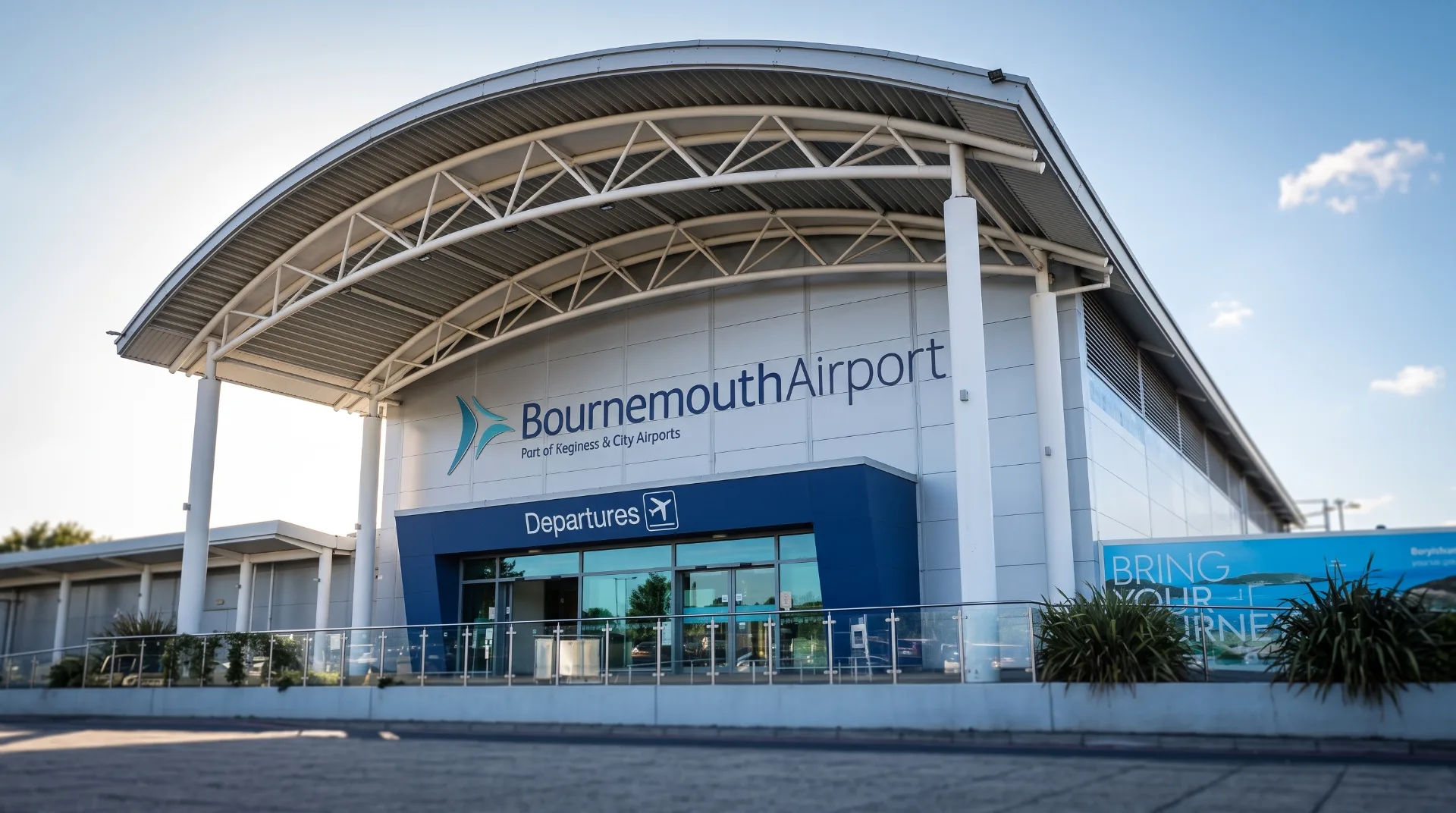
Bournemouth Airport power outage causes widespread flight delays and disruptions ==============================================================================
What happened during the Bournemouth Airport power outage?
Overview of the power outage incident
On 29 August 2026, Bournemouth Airport suffered a major power outage that disrupted all flight operations. The sudden loss of power led to widespread delays and cancellations, affecting passengers travelling both to and from the airport.
The airport issued a statement confirming the outage and reassured the public that teams were working hard to restore power as quickly as possible. Meanwhile, the terminal’s restaurants and shops closed temporarily, adding to the inconvenience for travellers.
This incident highlighted how vulnerable airport operations can be to electrical failures. It affected not only flight schedules but also the availability of services and amenities within the terminal, impacting the overall passenger experience.
Impact on flight schedules and operations
The power outage caused significant disruption to Bournemouth Airport’s flight timetable. Many departures were delayed by several hours, with some flights rescheduled or diverted to other airports to comply with operational restrictions.
For instance, a flight to Rhodes originally due to depart at 2.30pm was delayed until 8.35pm, eventually leaving at 7.30pm and arriving in Greece early the next morning. Passengers reported waiting at the terminal for two to three hours or more, describing the situation as a "nightmare."
Bournemouth Airport enforces a strict no-landing window between 2am and 6am. This restriction meant that delayed arrivals risked diversion to airports such as Bristol to avoid breaching these limits. The need to reschedule flights within these constraints added complexity to managing the disruption.
Passenger experiences and communication
Passengers stranded both at Bournemouth and at destination airports like Rhodes expressed frustration over limited communication from airlines. Updates, particularly from TUI, were mainly sent via email, with some passengers receiving only minimal information.
While waiting, some passengers were offered €11 per person for food and drink at selected outlets, a gesture that many felt was insufficient given the length of delays. Locally, travellers at Bournemouth faced closed amenities and long waits, though some private flights, including the Everton football team’s plane, managed to depart during the outage.
The outage underscored the importance of clear, timely communication during disruptions. Many passengers felt left in the dark about the status of their flights and available support, exacerbating the stress of the situation.
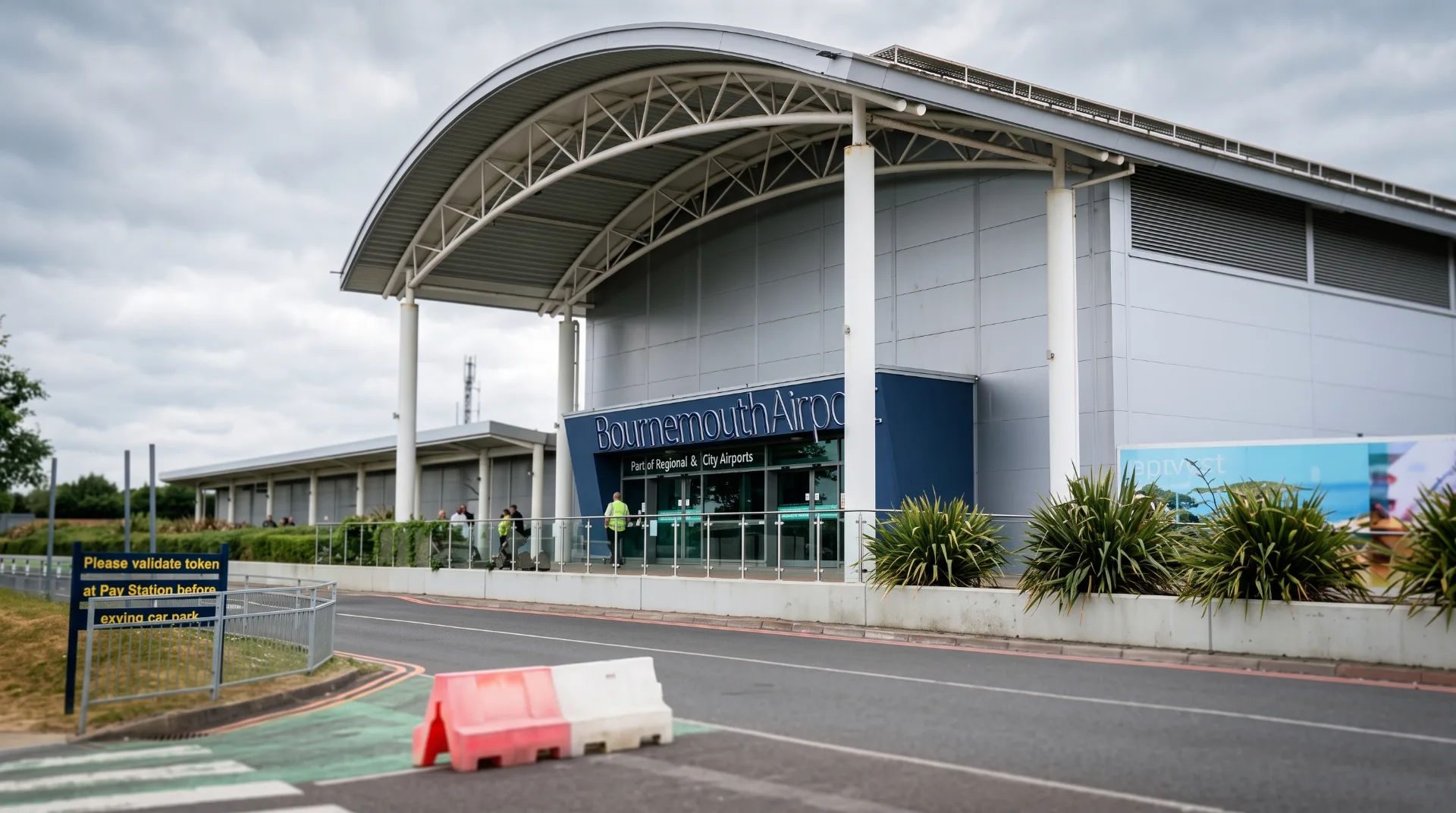
How to stay informed and manage travel during the outage
Checking flight status and official updates
If you are travelling through Bournemouth Airport, it is essential to check your flight status before travelling to the airport. The airport’s official website and social media channels provide the latest updates on departures and arrivals, including any changes caused by the power outage.
Flight tracking websites such as Flightradar offer real-time information on flight movements, helping passengers monitor delays or diversions. Relying on these official sources can save time and reduce uncertainty.
Using these tools allows travellers to avoid unnecessary journeys to the airport during disruptions and to plan alternative arrangements if needed.
Preparing for delays and disruptions
Given the ongoing power issues, travellers should anticipate possible delays and allow extra time for check-in and security procedures. It is advisable to bring essentials such as snacks and water, as terminal facilities may be closed or operating with limited services.
Passengers affected by the outage should contact their airline directly to seek assistance and inquire about compensation or support options. Both Bournemouth Airport and airlines are working to resolve the situation and minimise further disruption.
Staying flexible and informed can help ease the stress of travel during such incidents. Knowing your rights and the support available from airlines is also beneficial.
Reporting issues and seeking assistance
If you have been impacted by the Bournemouth Airport power outage, you can share your experience or seek help by contacting the local newsdesk at newsdesk@bournemouthecho.co.uk. This helps keep the community informed and highlights passenger concerns.
Passengers should also consider reaching out to official bodies, such as the Civil Aviation Authority or airline customer service teams, for advice on compensation or complaints, especially if delays or cancellations cause significant disruption.

Why do power outages happen at airports?
Common causes of airport power outages
Airports depend on complex electrical systems to operate lighting, security, communications, and passenger services. Power outages can result from faults in the local electricity supply, equipment failures, or internal infrastructure issues.
Severe weather, such as storms or high winds, can damage power lines or airport equipment, triggering outages. Although airports maintain regular maintenance and have backup systems, unexpected failures can still occur.
The Bournemouth Airport power outage serves as a reminder that even well-prepared airports remain vulnerable to such incidents. Understanding these causes helps travellers appreciate the operational challenges airports face.
How airports manage power failures
Most airports have emergency power systems, including generators and uninterruptible power supplies, to keep critical systems running during outages. These systems maintain safety and security but may not support all passenger services fully.
During prolonged outages, airports coordinate with airlines and emergency services to manage flight schedules, assist passengers, and restore normal operations as swiftly as possible.
Despite these precautions, the Bournemouth Airport power outage demonstrated that some systems and services can still be affected, resulting in delays and inconvenience.
For more on Bournemouth Airport’s infrastructure and emergency planning, see the Wikipedia page on Bournemouth Airport.
What to expect at Bournemouth Airport after the outage
Recovery and restoration efforts
Bournemouth Airport is actively investigating the cause of the power outage and working to restore full power and services. Passengers can expect a gradual return to normal operations as power stabilises and affected flights are rescheduled.
The airport will continue to provide updates on its website and social media channels, keeping travellers informed about changes and expected recovery timelines.
Once power is fully restored, services such as shops, restaurants, and lounges will reopen, improving the passenger experience after the disruption.
Tips for future travel through Bournemouth Airport
To avoid disruption, travellers should monitor flight information closely, especially during times of reported issues. Arriving early and considering alternative travel options can help manage unexpected delays.
For detailed information on travelling through Bournemouth Airport, including transport links and facilities, visit the official Bournemouth Airport website or consult local travel guides.
Planning ahead and staying informed are key to smoother journeys, particularly when incidents like the Bournemouth Airport power outage occur.
Related information for travellers in Bournemouth
Exploring Bournemouth and local transport options
If your travel plans are affected, Bournemouth offers a variety of local attractions and amenities to explore while you wait. From the town centre to the seafront, there are plenty of places to visit and relax.
For ideas on things to do in Bournemouth, including its famous beaches and attractions, see our Things to Do section. For travel advice and transport options, the Visitor Information page provides useful guidance.
Bournemouth’s seven miles of sandy beaches and vibrant town centre make it an ideal place to spend time if stranded due to flight disruptions.
Staying updated on local news and events
Keep informed about local developments, including any ongoing airport issues, by following the Bournemouth News section. For upcoming events and entertainment, check the What’s On calendar.
Local news sources provide timely updates that help travellers adjust plans and find alternative activities during delays caused by the Bournemouth Airport power outage.
For official information on airport operations and travel advice, the BCP Council website offers authoritative guidance on local services and infrastructure.
For visitor information about Dorset and the surrounding area, including Bournemouth, see Visit Dorset. This is useful for travellers looking to explore while waiting out delays.
Frequently asked questions
What caused the power outage at Bournemouth Airport on 29 August 2026?
The article does not specify the exact cause of the power outage at Bournemouth Airport on 29 August 2026. It mentions that power outages at airports can result from faults in the local electricity supply, equipment failures, or internal infrastructure issues. Severe weather can also be a factor, but no specific cause was confirmed for this incident.
How did the power outage affect flights at Bournemouth Airport?
The power outage caused widespread flight delays and cancellations. Many departures were delayed by several hours, with some flights rescheduled or diverted to other airports such as Bristol to comply with the airport's no-landing window between 2am and 6am. For example, a flight to Rhodes was delayed from 2.30pm to 7.30pm, arriving in Greece early the next morning.
What was the passenger experience like during the Bournemouth Airport power outage?
Passengers faced long waits of two to three hours or more, with limited communication from airlines, particularly TUI, who mainly sent updates via email. Terminal restaurants and shops were closed temporarily, and passengers were offered only €11 per person for food and drink at selected outlets, which many found insufficient. The outage caused frustration due to the lack of clear, timely information and closed amenities.
How can travellers stay informed about flight status during disruptions at Bournemouth Airport?
Travellers should check the airport's official website and social media channels for the latest updates on departures and arrivals. Flight tracking websites like Flightradar provide real-time flight movement information. Using these sources helps avoid unnecessary journeys to the airport and allows passengers to plan alternative arrangements if needed.
What should passengers do to prepare for possible delays at Bournemouth Airport?
Passengers should allow extra time for check-in and security procedures, bring essentials such as snacks and water due to limited terminal services, and contact their airline directly for assistance or compensation options. Staying flexible and informed can help reduce stress during such disruptions.
What measures does Bournemouth Airport have in place to manage power outages?
Bournemouth Airport, like most airports, has emergency power systems including generators and uninterruptible power supplies to keep critical systems running during outages. These systems maintain safety and security but may not support all passenger services fully. The airport coordinates with airlines and emergency services to manage flight schedules and assist passengers during prolonged outages.
What can passengers expect as Bournemouth Airport recovers from the power outage?
The airport is investigating the cause and working to restore full power and services. Passengers can expect a gradual return to normal operations, with shops, restaurants, and lounges reopening once power stabilises. The airport will continue providing updates via its website and social media to keep travellers informed about recovery progress.



Comments (0)
No comments yet. Be the first to join the conversation.