
Dorset animal welfare shown in 1980s photos reveals lasting community bond
Photos from the 1980s reveal Dorset’s deep bond with animals, highlighting rescue stories and the county’s long tradition of animal care and welfare.
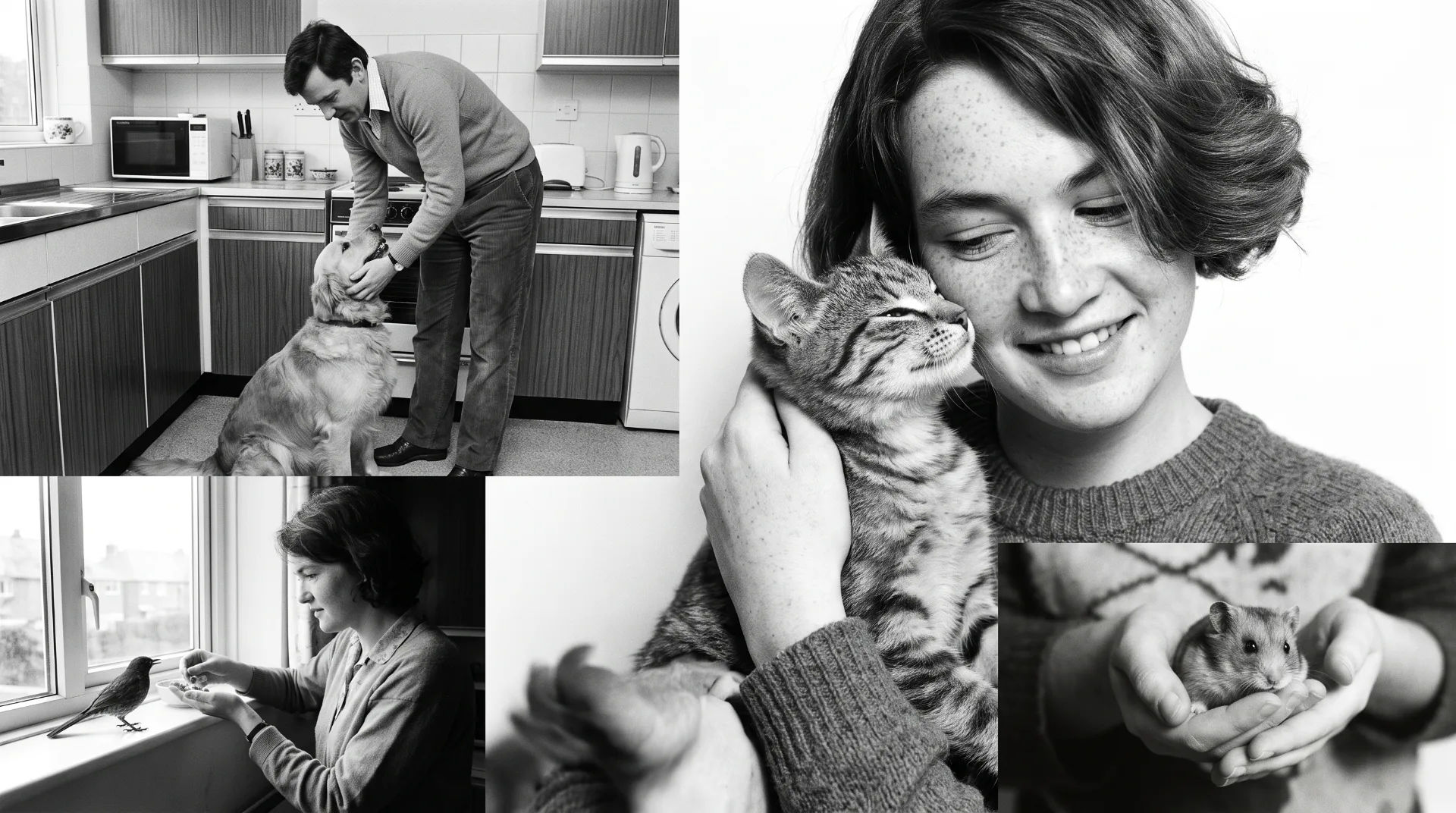
Dorset's Enduring Bond with Animals in the 1980s
A Tradition of Dorset Animal Welfare and Affection
Dorset animal welfare has deep roots in the county’s culture. It reflects a long-standing affection for animals among its residents. Dorset has long been known as a county where people share a deep affection for animals. This tradition is part of the wider UK reputation as a nation of animal lovers. Pets and wildlife alike are valued and cared for. Photographs from the 1980s capture this special bond. They show moments of connection between Dorset residents and animals across the county.
This affection is not only cultural but also backed by a strong history of animal welfare. The UK has established laws that protect animals from cruelty and neglect. These laws reflect society’s commitment to their well-being. Dorset’s communities have been part of this ongoing effort. They demonstrate care for animals in everyday life and through organised support.
Historic Photos Reflecting Dorset’s Animal Care
A poignant example from 1983 shows Simon Sparrow, David Searies, and John Atkins from Wallisdown rescuing a cat caught in a trapper’s snare. The cat suffered a severe injury that required amputation of its leg. It survived thanks to their intervention. Such images remind us of the compassion and hands-on care that have long characterised Dorset’s relationship with animals.
These photographs are more than just nostalgic snapshots. They document the county’s ongoing commitment to animal welfare and the personal stories behind it. They also highlight the community spirit that often surrounds animal rescue and protection efforts.

Dorset Animal Welfare Organisations Supporting the County
Key Groups Protecting Animals in Dorset
While the Royal Society for the Prevention of Cruelty to Animals (RSPCA) is the best known animal welfare organisation in the UK, Dorset benefits from the work of several other important groups. The Blue Cross provides veterinary care and rehoming services. The National Animal Welfare Trust offers sanctuary and support for animals in need. Additionally, People for the Ethical Treatment of Animals (PETA) campaigns for animal rights and ethical treatment on a broader scale.
These organisations work tirelessly to protect animals from harm and promote their well-being. Their presence in Dorset reflects the county’s active role in national efforts to improve animal welfare standards. They also offer vital services that support Dorset animal welfare through veterinary care, rehoming, and advocacy.
Laws, Legislation and Community Efforts in Dorset Animal Welfare
The UK’s animal welfare laws provide a legal framework to prevent cruelty and neglect. These laws are supported by local communities and volunteers who often step in to help animals in distress. Dorset’s rural and urban areas alike have seen numerous examples of such community involvement. This ranges from rescuing injured wildlife to caring for lost pets.
This combination of legislation and grassroots action ensures that Dorset remains a place where animals are respected and protected. Dorset animal welfare thrives because of this shared responsibility between law and community spirit.
The Cultural Significance of Dorset Animal Welfare and Animals
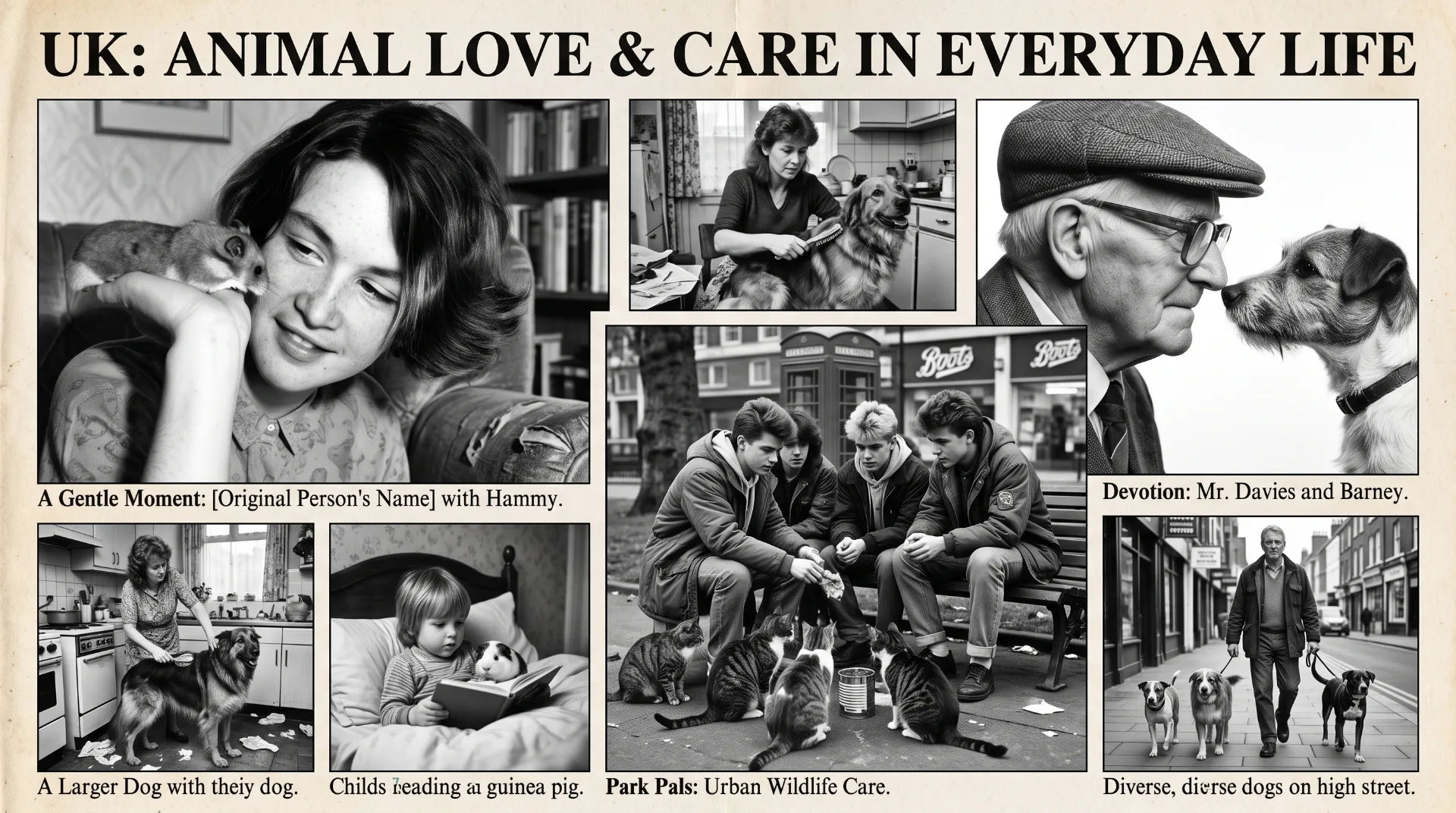
Animals in Dorset’s Heritage and Natural Environment
Animals have always been part of Dorset’s heritage. This includes farm animals that shaped rural life and the wildlife inhabiting its diverse natural landscapes. The county’s heathlands, coastlines, and countryside provide habitats for many species. These contribute to Dorset’s rich natural heritage.
This connection to animals is also reflected in local traditions and stories. Animals often feature as companions, working partners, or symbols of the county’s character. Dorset animal welfare is intertwined with this heritage. Caring for animals has been a part of life here for generations.
Nostalgia, Community Memory and Dorset Animal Welfare
Looking back at Dorset in the 1980s through photos and stories reveals a nostalgic view of a time when the bond between people and animals was perhaps more visible in everyday life. These memories help foster community identity. They remind residents of the values that continue to shape Dorset today.
They also inspire ongoing efforts to care for animals. This includes volunteering, supporting local shelters, or advocating for animal-friendly policies. This enduring commitment to Dorset animal welfare connects past and present generations.
How Dorset Residents Can Engage with Dorset Animal Welfare Today
Supporting Local Animal Charities and Initiatives
Residents interested in continuing Dorset’s tradition of animal care can support local charities such as the RSPCA branches, Blue Cross centres, and other rescue organisations. Donations, volunteering, and adopting pets from shelters are practical ways to contribute.
Getting involved with Dorset animal welfare organisations helps ensure that animals receive the care and protection they need. Many groups welcome volunteers for tasks ranging from animal care to fundraising and community education.
Enjoying Dorset’s Natural Spaces with Animals
Dorset offers many opportunities to enjoy nature alongside animals. This includes walking in heathlands and nature reserves or visiting farms and animal sanctuaries. These experiences deepen appreciation for wildlife and domestic animals alike. They reinforce the county’s bond with its animal inhabitants.
For more on Dorset’s natural attractions and places to explore, see our Explore section.
The Future of Dorset Animal Welfare: Challenges and Opportunities
Addressing Modern Animal Welfare Issues in Dorset
While Dorset has a proud history of animal care, new challenges continue to emerge. Issues such as wildlife habitat loss, pet abandonment, and the need for education about responsible pet ownership require ongoing attention.
Local Dorset animal welfare groups are adapting to these challenges by raising awareness and promoting sustainable practices. Community involvement remains key to meeting these needs and protecting Dorset’s animals for future generations.
Promoting Education and Awareness
Education plays a vital role in Dorset animal welfare. Schools, community groups, and animal charities often collaborate to teach children and adults about caring for animals and respecting wildlife.
By fostering empathy and knowledge, Dorset’s residents can continue to build a compassionate community that values all creatures.
For those interested in Dorset’s rich heritage and local stories, our Heritage and History pages offer further reading. To discover more about nature and wildlife in the area, visit Nature.
Related Articles
Frequently asked questions
What do the 1980s photos reveal about Dorset's relationship with animals?
The 1980s photos capture moments of connection between Dorset residents and animals, highlighting the county's deep affection and hands-on care for animals. For example, a 1983 photo shows local men rescuing a cat caught in a trapper's snare, demonstrating compassion and community involvement in animal welfare. These images reflect Dorset's longstanding tradition of valuing and protecting animals.
Which animal welfare organisations operate in Dorset?
Dorset benefits from several key animal welfare organisations including the RSPCA, Blue Cross, the National Animal Welfare Trust, and People for the Ethical Treatment of Animals (PETA). These groups provide veterinary care, rehoming services, sanctuaries, and campaign for animal rights, reflecting the county's active role in national animal welfare efforts.
How do UK laws support animal welfare in Dorset?
UK animal welfare laws provide a legal framework to prevent cruelty and neglect towards animals. In Dorset, these laws are supported by local communities and volunteers who assist animals in distress, such as rescuing injured wildlife or caring for lost pets. This combination of legislation and grassroots action helps ensure animals in Dorset are protected and respected.
How can Dorset residents get involved in animal welfare today?
Residents can support Dorset's tradition of animal care by donating to or volunteering with local charities like the RSPCA and Blue Cross. Adopting pets from shelters is another practical way to contribute. Engaging with Dorset’s natural spaces, such as heathlands and animal sanctuaries, also helps deepen appreciation and support for the county’s animal inhabitants.
What role do animals play in Dorset's cultural heritage?
Animals are integral to Dorset's heritage, from farm animals shaping rural life to wildlife inhabiting the county's diverse landscapes. They feature in local traditions and stories as companions, working partners, or symbols of Dorset’s character. This cultural significance strengthens community identity and inspires ongoing care for animals.
Where can I find more information about Dorset’s natural attractions and heritage?
For more on Dorset’s natural attractions and places to explore, the article recommends visiting the Explore section on The Bournemouth Guide website. Additionally, the Heritage and History pages offer further reading about Dorset’s rich heritage and local stories, while the Nature page provides information about wildlife and natural environments in the area.



Comments (0)
No comments yet. Be the first to join the conversation.