
Major gas leak in Bournemouth leads to evacuation
A major gas leak on St Michael’s Road, Bournemouth forced hundreds to evacuate. Fire crews and utility teams worked quickly to manage the emergency and repair the damage.
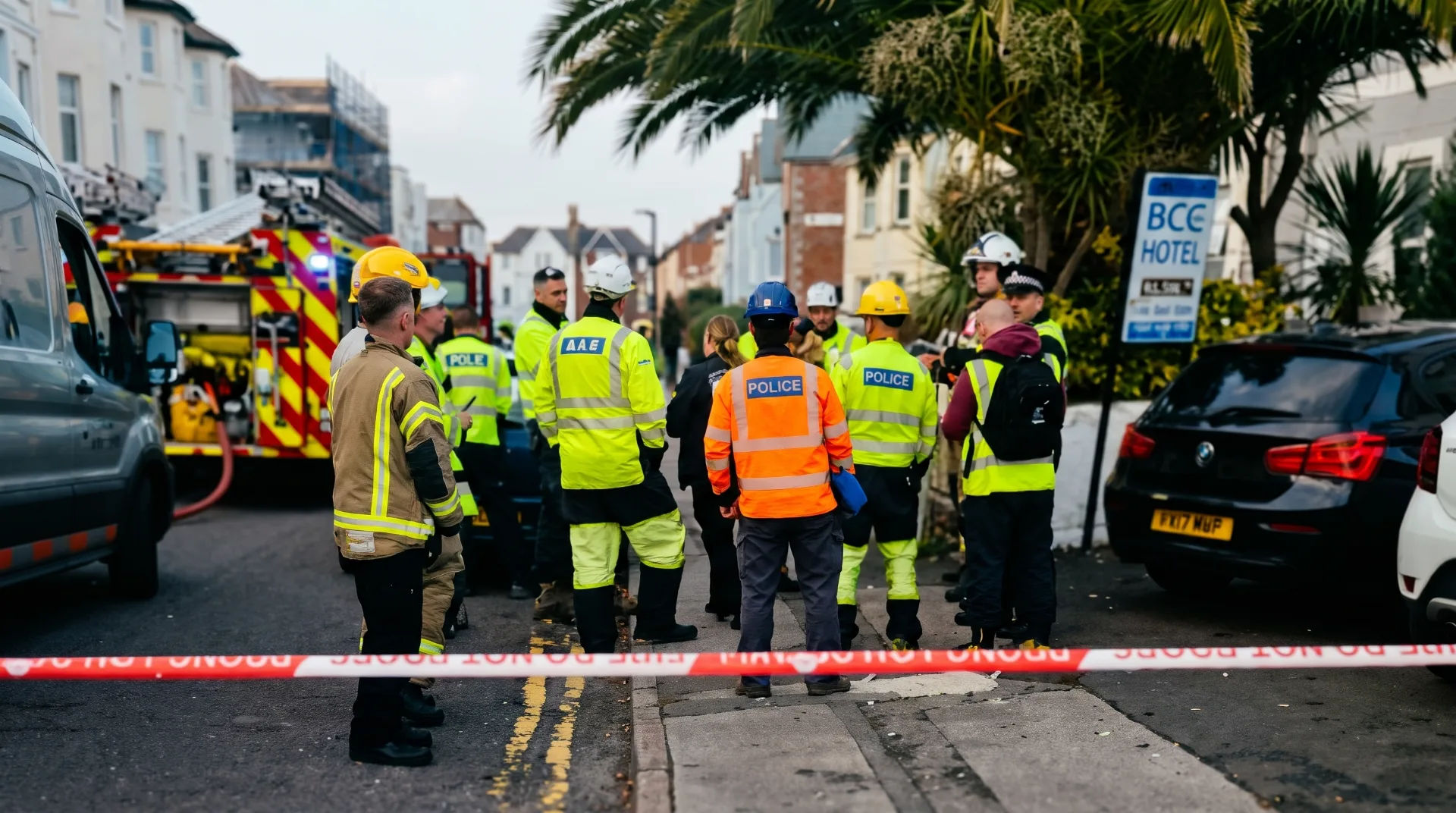
Hundreds evacuated following major gas leak in Bournemouth
On Friday, hundreds of residents, business owners and hotel guests were evacuated from St Michael's Road in Bournemouth due to a major gas leak. The incident caused significant disruption and required a coordinated emergency response involving fire crews and utility repair teams.
Gas leaks are serious hazards that can lead to fires, explosions and health risks, so swift action was essential to protect the community. This article explores the details of the incident, the emergency response, impact on locals, safety advice and how to stay informed about such emergencies in Bournemouth.
What caused the gas leak and how was it discovered?
The Dorset & Wiltshire Fire and Rescue Service reported that a gas pipe had been accidentally cut through in the basement of a four-storey building on St Michael's Road. The rupture led to the release of gas, prompting an immediate safety response.
Jack Siriphant, owner of Nala Lounge on the road, noticed the smell of gas around midday as he drove down St Michael's Road. This early detection helped alert authorities to the severity of the situation. Gas leaks often have a distinctive odour added to the gas supply to aid detection, which can be lifesaving.
The exact circumstances leading to the accidental cut have not been publicly detailed, but such incidents typically occur during building works, maintenance or accidental damage to underground pipes. Gas network operators like SGN have strict protocols to prevent such accidents, including marking underground utilities before excavation.
Gas leak in Bournemouth incidents like this highlight the importance of careful planning during construction and maintenance work to avoid damage to vital infrastructure.
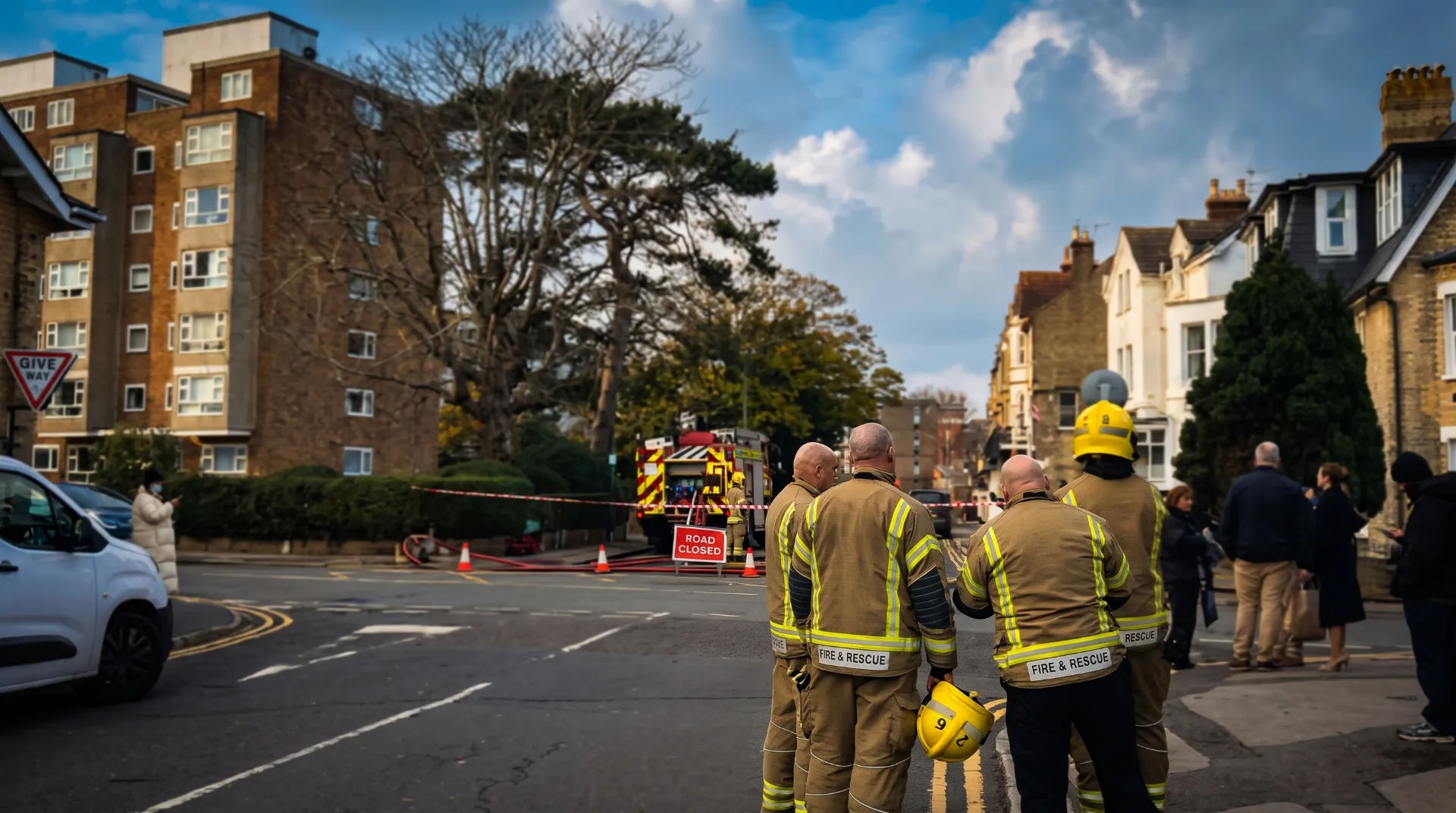
How did emergency services respond?
Four fire crews from Westbourne, Springbourne, Redhill Park and Christchurch were quickly dispatched to the scene. They worked closely with partner agencies to evacuate the immediate area as a precaution while SGN, the gas network operator, carried out necessary repairs.
Later in the afternoon, additional resources were mobilised, including more breathing apparatus users and a command support unit from Gillingham, to support the ongoing repair efforts. A cordon was established around the affected area to keep people safe.
Emergency responders prioritised public safety by establishing a wide exclusion zone, preventing access to the risk area until the gas leak was controlled and the site deemed safe. The use of breathing apparatus allowed crews to operate safely in potentially hazardous environments.
Coordination between fire services, police, SGN and the local council ensured a well-managed response. Police helped with evacuations and traffic control, while the council arranged support facilities for displaced residents.
The gas leak in Bournemouth was handled with the utmost care by emergency services, demonstrating the importance of local preparedness and inter-agency cooperation.
What was the impact on local residents and businesses?
The evacuation affected a wide range of people including hotel guests, residents and business owners. Charlotte Miller from Southampton, who was preparing for her wedding at the Connaught Hotel the next day, described the disruption and her worries about the event going ahead.
A couple who recently graduated from Bournemouth University and were staying in an Airbnb on St Michael’s Road also had to leave abruptly. They reported that the power was cut, preventing them even from showering.
Nala Lounge provided a warm and safe space for local residents during the evacuation, showing community support in a difficult situation.
One resident of Devon’s Tower Hotel shared that police officers knocked on their door and they had to remain outside for several hours, which was especially difficult as they were unwell.
The disruption to homes and businesses highlights the wider effects of such emergencies beyond the immediate physical danger. Power cuts, road closures and displacement can cause stress and inconvenience, particularly for vulnerable individuals and those with important plans.
This gas leak in Bournemouth incident underscores how emergencies can affect daily life and the importance of community resilience.
What advice was given to the public?
Westbourne Fire Station advised anyone local who could smell gas to keep windows and doors closed as a precaution. This advice may seem counterintuitive but is intended to prevent gas from entering enclosed spaces where it could accumulate and pose a greater risk.
They also urged people to avoid the area until the incident was fully resolved to ensure safety. Keeping clear of emergency scenes helps crews work efficiently and reduces risk to the public.
BCP Council was reported to be setting up a rest centre for those displaced by the evacuation, providing shelter and support. Such rest centres offer warmth, refreshments and information for people unable to return home immediately.
Residents are also reminded to familiarise themselves with emergency procedures for gas leaks, including how to turn off the gas supply at the meter if safe to do so, and to report any suspected leaks promptly.
For more information on local services and support during emergencies, the Visitor Information page is a helpful resource.
How can I tell if there is a gas leak?
Gas leaks can be detected by:
- A distinctive rotten egg or sulphur-like smell, added to natural gas for safety
- Hissing or whistling sounds near gas appliances or pipes
- Dead or discoloured vegetation near underground pipes
- Physical symptoms such as headaches, dizziness or nausea when indoors
If you suspect a gas leak, it is important to act quickly by leaving the area, avoiding use of electrical switches or flames, and calling the emergency gas number immediately.
Recognising the signs of a gas leak in Bournemouth can help prevent serious accidents and ensure a quick emergency response.
What is the current status of the repair?
SGN was on site and actively working on the repair. Once the scene is deemed safe, emergency services will begin to scale back their presence and allow residents and businesses to return.
Repairs to gas mains can be complex, requiring careful excavation, pipe replacement or sealing, and thorough testing before the supply is restored. Safety checks ensure there is no risk of further leaks.
The gas leak in Bournemouth has highlighted the importance of maintaining and inspecting underground infrastructure regularly.
What are the health risks of a gas leak?
Natural gas is mostly methane, which is flammable and can cause explosions if ignited in enclosed spaces. It is also an asphyxiant, meaning it can displace oxygen and cause suffocation.
Exposure to gas can cause symptoms such as headaches, dizziness, nausea, fatigue and breathing difficulties. In high concentrations, it can lead to unconsciousness or death.
Emergency evacuation and ventilation are critical to reduce these risks. If you experience symptoms and suspect gas exposure, seek fresh air immediately and call for medical help.
Understanding the health risks of a gas leak in Bournemouth is vital for residents and visitors to stay safe.
How can I stay updated about emergencies like this in Bournemouth?
For the latest local news and emergency updates, you can visit the Bournemouth News section. For information on local services and support, the Visitor Information page is also useful.
Signing up for local alerts from BCP Council or following official social media accounts can provide timely information during emergencies.
Keeping informed about gas leaks in Bournemouth and other emergencies helps residents respond appropriately and stay safe.
How can I prepare for a gas emergency?
- Know where your gas meter and emergency shut-off valve are located
- Learn how to turn off the gas supply safely
- Keep emergency numbers handy, including the gas emergency line and local fire service
- Install and maintain carbon monoxide detectors in your home
- Report any suspected gas leaks immediately
- Have a plan for evacuation and a safe place to go if needed
Preparing for a gas leak in Bournemouth can reduce risks and improve safety for you and your family.
What support is available after an evacuation?
Local councils often provide rest centres offering shelter, food and information for displaced residents. Support services may include medical assistance, counselling and help with temporary accommodation.
Community groups and businesses sometimes open their doors to assist those affected, as Nala Lounge did during this incident.
For details on local parks and community spaces where support may be available, see Redhill Park.
Understanding gas safety in Bournemouth
Bournemouth’s gas supply is managed by SGN, which maintains the underground network and responds to emergencies. Regular maintenance and safety checks help prevent incidents.
The Dorset & Wiltshire Fire and Rescue Service and local police work closely with utility companies to manage risks and respond rapidly to incidents.
Residents and businesses are encouraged to be vigilant and report any concerns promptly to help keep the community safe.
This incident highlights the importance of quick response and community cooperation during emergencies. If you live or work in Bournemouth, it is helpful to know the emergency contacts and safety procedures in place.
For more on local emergencies and safety advice, see our News and Emergency coverage.
By Lucy Simpson, Reporter Published 1 hour ago
Frequently asked questions
What caused the gas leak on St Michael's Road in Bournemouth?
The gas leak was caused by a gas pipe being accidentally cut through in the basement of a four-storey building on St Michael's Road. This rupture led to the release of gas, which was detected early by a local business owner who noticed the smell of gas around midday.
How did emergency services respond to the gas leak?
Four fire crews from Westbourne, Springbourne, Redhill Park and Christchurch were quickly dispatched to the scene. They worked with partner agencies to evacuate the area while SGN, the gas network operator, carried out repairs. Additional resources, including breathing apparatus users and a command support unit, were brought in later to support ongoing efforts.
Who was affected by the evacuation on St Michael's Road?
The evacuation impacted hundreds of people including residents, business owners, hotel guests and visitors. For example, guests at the Connaught Hotel preparing for events had to leave, and people staying in Airbnbs experienced power cuts. Some residents, including those unwell, had to remain outside for several hours during the emergency.
What advice was given to the public during the gas leak incident?
Westbourne Fire Station advised locals who could smell gas to keep windows and doors closed as a precaution. They also urged people to avoid the area until the situation was fully resolved to ensure safety. Additionally, BCP Council set up a rest centre to provide shelter and support for those displaced by the evacuation.
What is the current status of the gas leak repair?
SGN was actively working on repairing the damaged gas pipe at the time of reporting. Emergency services planned to scale back their presence and allow residents and businesses to return once the scene was declared safe.
How can residents stay updated about emergencies like this in Bournemouth?
Residents can stay informed by visiting the Bournemouth News section online for the latest local news and emergency updates. The Visitor Information page is also a useful resource for information on local services and support during emergencies.


Comments (0)
No comments yet. Be the first to join the conversation.