
Nepal-China flash flood leaves hundreds missing and many dead
A massive flash flood caused by a glacier collapse has struck the Nepal-China border, leaving hundreds missing and many feared dead as rescue operations continue.
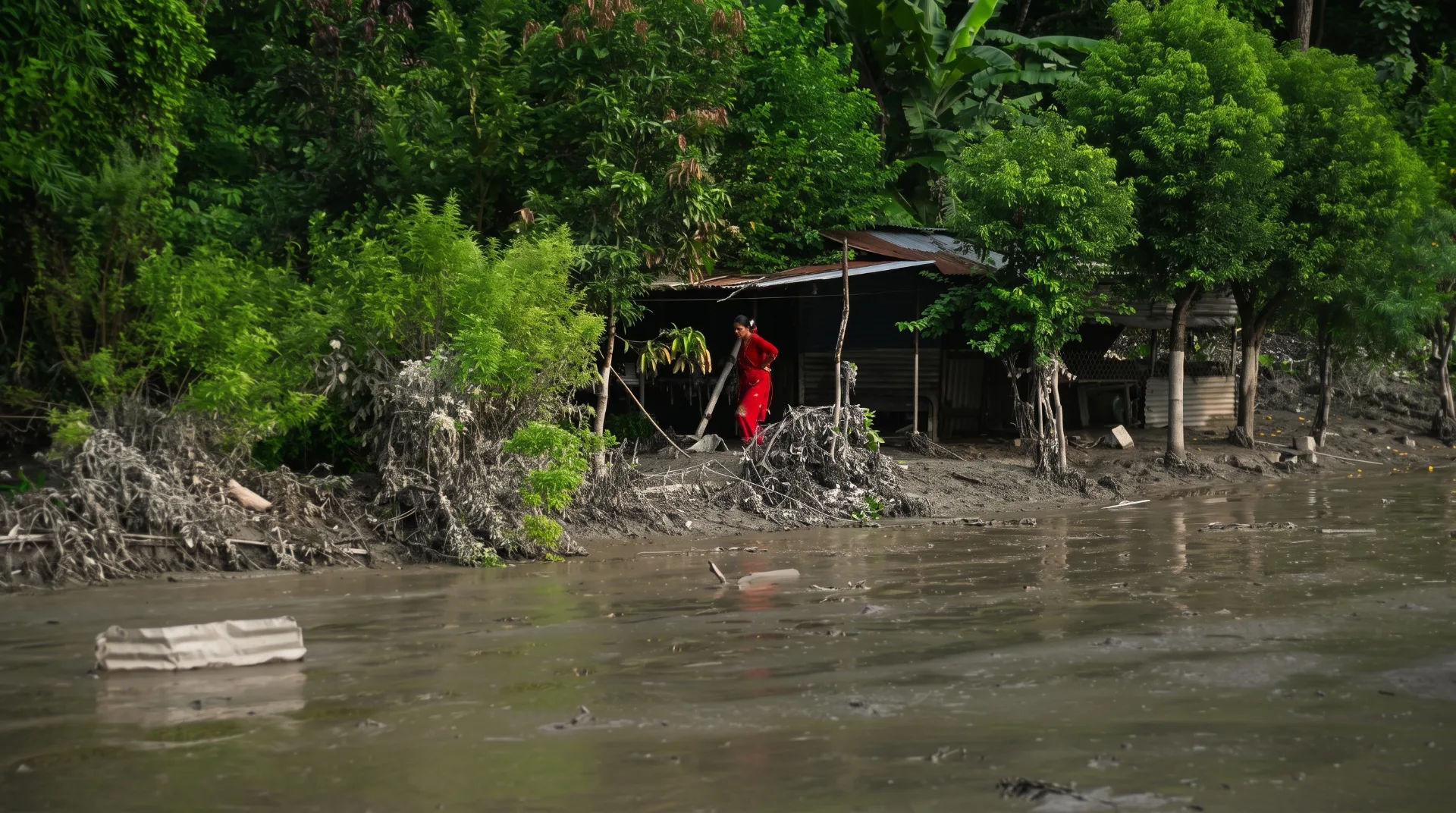
Massive Flash Flood Hits Nepal-China Border: Hundreds Missing and Many Feared Dead
The Nepal-China flash flood on 26 August 2026 has devastated the border region between the two countries, leaving hundreds missing and many feared dead. Security camera footage captured the terrifying moment a massive wave of floodwater surged through the border crossing, forcing people to flee for their lives. Rescue operations continue amid widespread destruction and ongoing risks.
What Happened at the Nepal-China Border?
On 26 August 2026, a catastrophic flash flood struck the mountainous border region between Nepal and China. This sudden surge of water overwhelmed the area with devastating speed and force. Security footage shows people running desperately as the floodwater crashes through the crossing point, sweeping away everything in its path.
The Nepal-China flash flood is reported to have been triggered by a glacier collapse high in the Himalayas. When a glacier collapses, it can release a vast volume of water trapped in glacial lakes or ice dams, causing a rapid and destructive flood downstream. Such events are becoming more frequent due to climate change and rising temperatures destabilising glaciers.
This particular glacier collapse unleashed a wall of water and debris that surged down narrow valleys, destroying infrastructure and cutting off communities. The flash flood’s intensity and speed left little time for evacuation, contributing to the high number of casualties and missing persons.
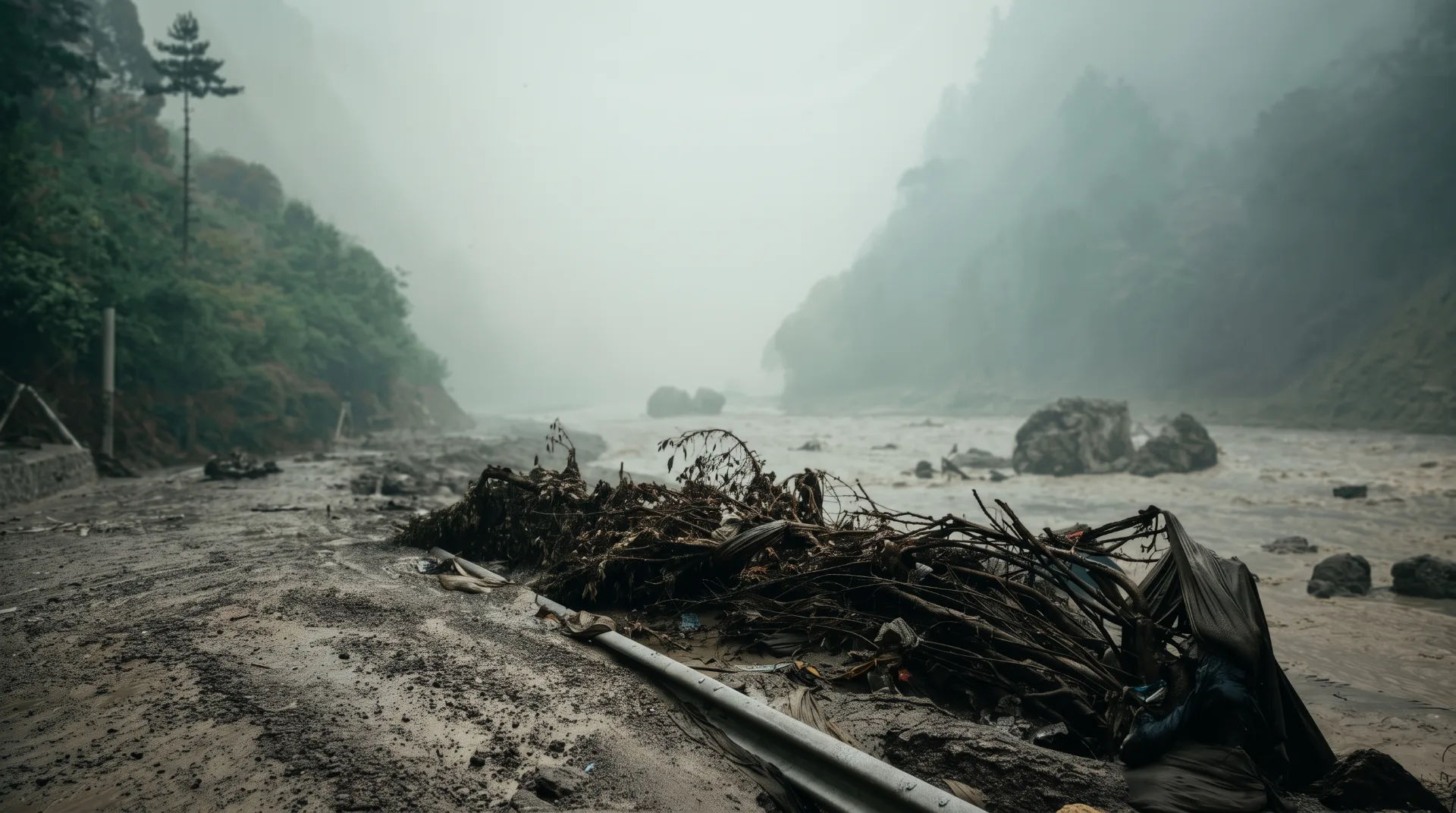
The Science Behind the Nepal-China Flash Flood
Glacier collapses and resulting flash floods, also known as glacial lake outburst floods (GLOFs), occur when natural dams made of ice or moraine fail. These dams can hold back large glacial lakes, but when they break, the sudden release of water can be catastrophic.
Experts believe that warming temperatures have increased glacial meltwater, expanding lakes and putting pressure on these natural dams. The Nepal-China border region, part of the greater Himalayas, is particularly vulnerable due to its rugged terrain and numerous glaciers.
The 2026 event highlights the urgent need for monitoring and early warning systems in high-risk areas to mitigate future disasters. Satellite imagery, ground sensors, and community alert systems are crucial tools in predicting and responding to such flash floods.
Impact and Casualties
The Nepal-China flash flood has caused significant loss of life and widespread destruction. At least 98 people have been confirmed dead, with hundreds more missing, including foreign tourists. The exact number of casualties may rise as rescue teams reach more remote areas.
The flood destroyed roads, bridges, and buildings, isolating villages and towns. Power and communication lines were severed, complicating rescue and relief efforts. The environmental impact is severe, with landslides and debris flows altering the landscape and damaging ecosystems.
Authorities have issued warnings about further risks, including secondary flooding and landslides, especially as heavy rains continue in the region. The fragile infrastructure and steep terrain make recovery efforts challenging and dangerous.
Who Is Affected by the Nepal-China Flash Flood?
The disaster has affected a wide range of people, from local residents to international travellers. The border crossing is a vital transit point for trade and tourism, so the flood’s disruption has regional economic consequences as well.
Among the missing are at least a dozen British nationals, underscoring the global reach of the tragedy. Many tourists visit the Himalayas for trekking and cultural experiences, and the Nepal-China border is a key route for such journeys.
Local communities bear the brunt of the disaster, with homes destroyed and livelihoods lost. Many residents depend on agriculture and small businesses that have been devastated by the floodwaters and debris.
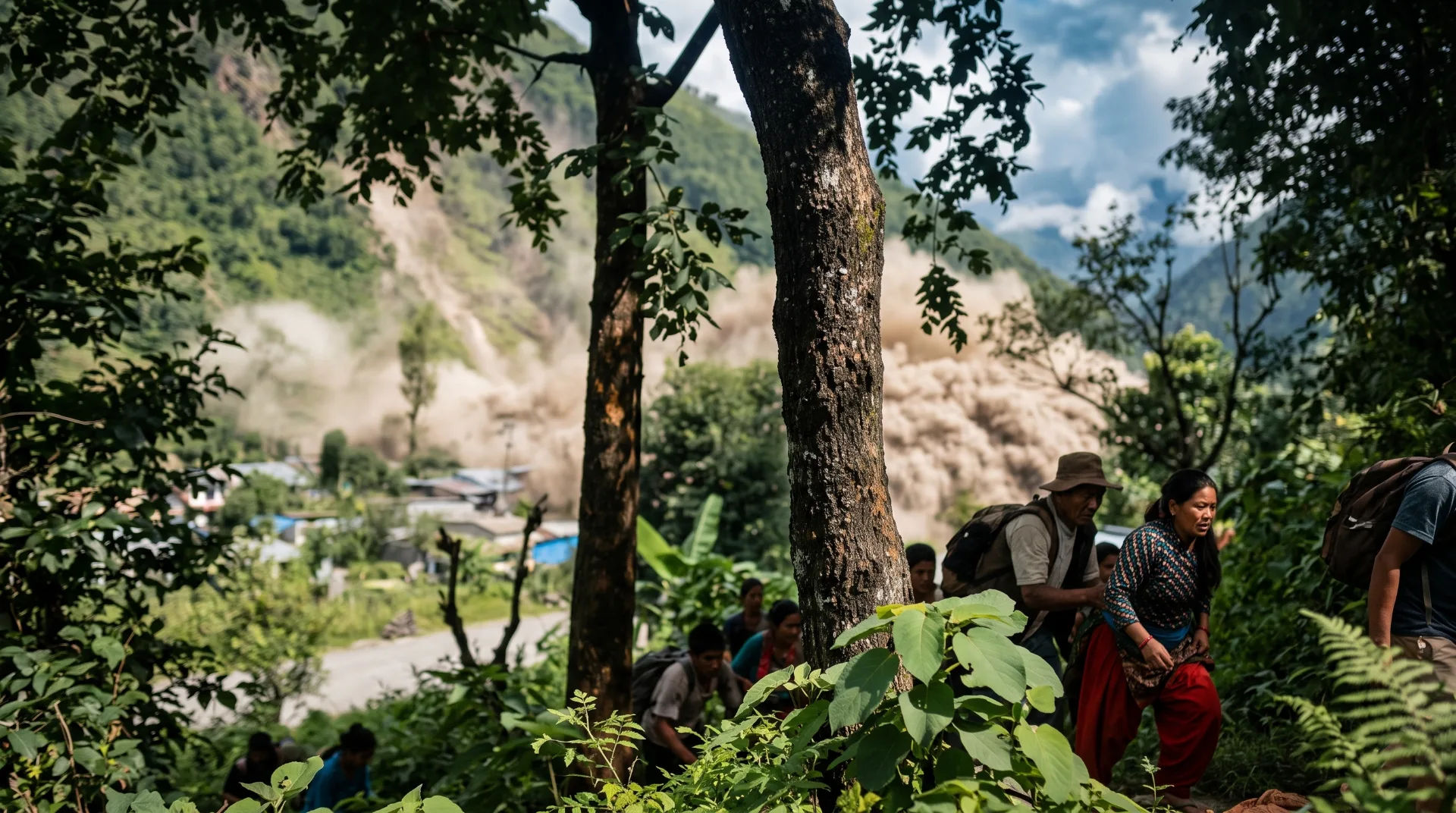
Rescue Efforts and Challenges
Rescue teams from both Nepal and China have mobilised quickly to respond to the Nepal-China flash flood. Helicopters, boats, and ground search parties are working to locate survivors, provide medical aid, and deliver supplies to isolated areas.
The difficult terrain, ongoing bad weather, and damaged infrastructure hamper these efforts. Many affected villages are accessible only by foot or helicopter, slowing the pace of rescue and relief.
Clearing debris from roads and restoring communication lines are priorities to improve coordination. Both governments have called for international support and are coordinating with aid organisations to manage the crisis.
How Can People Help or Get Information?
Families and friends of those missing are urged to contact local authorities for updates. Relief organisations are coordinating aid efforts, and donations may be accepted through official channels to support rescue and recovery.
Travellers are advised to avoid the border region until authorities declare it safe. Staying informed through official news sources and government advisories is essential for safety.
For those interested in supporting humanitarian efforts, reputable organisations working in Nepal and China provide ways to contribute. It is important to verify the legitimacy of aid groups before donating.
For more on current events and travel advice, see our Bournemouth News section.
Learn about travel and visitor information if you are planning trips to affected regions or nearby areas.
For local safety and emergency preparedness tips, visit the GOV.UK official guidance.
Related Video: People Flee as Huge Wave of Floodwater Engulfs Nepal-China Border Crossing
Security camera footage shows the shocking moment floodwater crashes through the Nepal-China border area. People are seen running away as the water appears to wipe out everything in its path.
Environmental and Climate Change Context of the Nepal-China Flash Flood
This tragic event highlights the increasing risks posed by climate change and glacial instability in mountainous regions. Rising global temperatures accelerate glacier melting, increasing the likelihood of glacier collapses and flash floods.
The Himalayas are especially vulnerable, with many glaciers retreating rapidly. This not only threatens local communities but also impacts water supplies downstream, affecting millions.
Long-term strategies to address these risks include improved monitoring, sustainable land management, and international cooperation on climate action. Organisations such as the National Trust and Jurassic Coast Trust provide valuable resources on natural heritage and environmental challenges.
What Happens Next: Recovery and Future Preparedness
As rescue efforts continue, attention will turn to rebuilding and supporting affected communities. Restoring infrastructure, homes, and services will be a complex and lengthy process.
Lessons learned from the Nepal-China flash flood will inform future disaster preparedness. Enhancing early warning systems, community education, and cross-border coordination are vital steps.
International aid and scientific research will play key roles in helping the region adapt to the growing threat of climate-induced disasters.
Stay updated with ongoing rescue efforts and news coverage as the situation develops.
Frequently asked questions
What caused the massive flash flood at the Nepal-China border?
The flash flood was triggered by a glacier collapse in the region. This collapse released a large amount of water rapidly, causing a sudden surge of floodwater that overwhelmed the border crossing area. The event led to widespread destruction and forced people to flee for their lives.
How many people have been affected by the flood?
At least 98 people have been confirmed dead due to the flood, with hundreds more reported missing. The missing include local residents as well as international travellers, among them at least a dozen British nationals. The disaster has caused significant loss of life and destruction in the affected region.
What rescue efforts are underway at the Nepal-China border?
Rescue teams from both Nepal and China are collaborating to locate survivors and provide aid. They are using helicopters, boats, and ground teams despite difficult terrain and weather conditions. Efforts focus on reaching isolated communities, clearing debris, and restoring communication lines to facilitate further rescue operations.
How has the flood affected the local area and infrastructure?
The flood has caused severe damage to the local environment and infrastructure, wiping out facilities and cutting off communities. The border crossing, a vital transit point, has been disrupted, affecting regional trade and travel. Authorities have warned of further risks and urged caution in the affected areas.
What should people do if they have family or friends missing in the flood?
Families and friends of those missing are advised to contact local authorities for updates on rescue efforts. Relief organisations are coordinating aid and may be accepting donations through official channels. It is important to stay informed through official news sources and government advisories for the latest information.
Is it safe to travel to the Nepal-China border region now?
Travellers are advised to avoid the border region until authorities declare it safe. The area is currently affected by flooding and ongoing rescue operations, making travel dangerous. Staying informed through official channels will provide updates on when it is safe to visit the region again.



Comments (0)
No comments yet. Be the first to join the conversation.