
Nepal flash flood survivor saved by mango tree during disaster
Bibek Kumal, a Nepali labourer, survived a deadly 2026 flash flood by clinging to a mango tree as floodwaters swept through his village near the Himalayas.
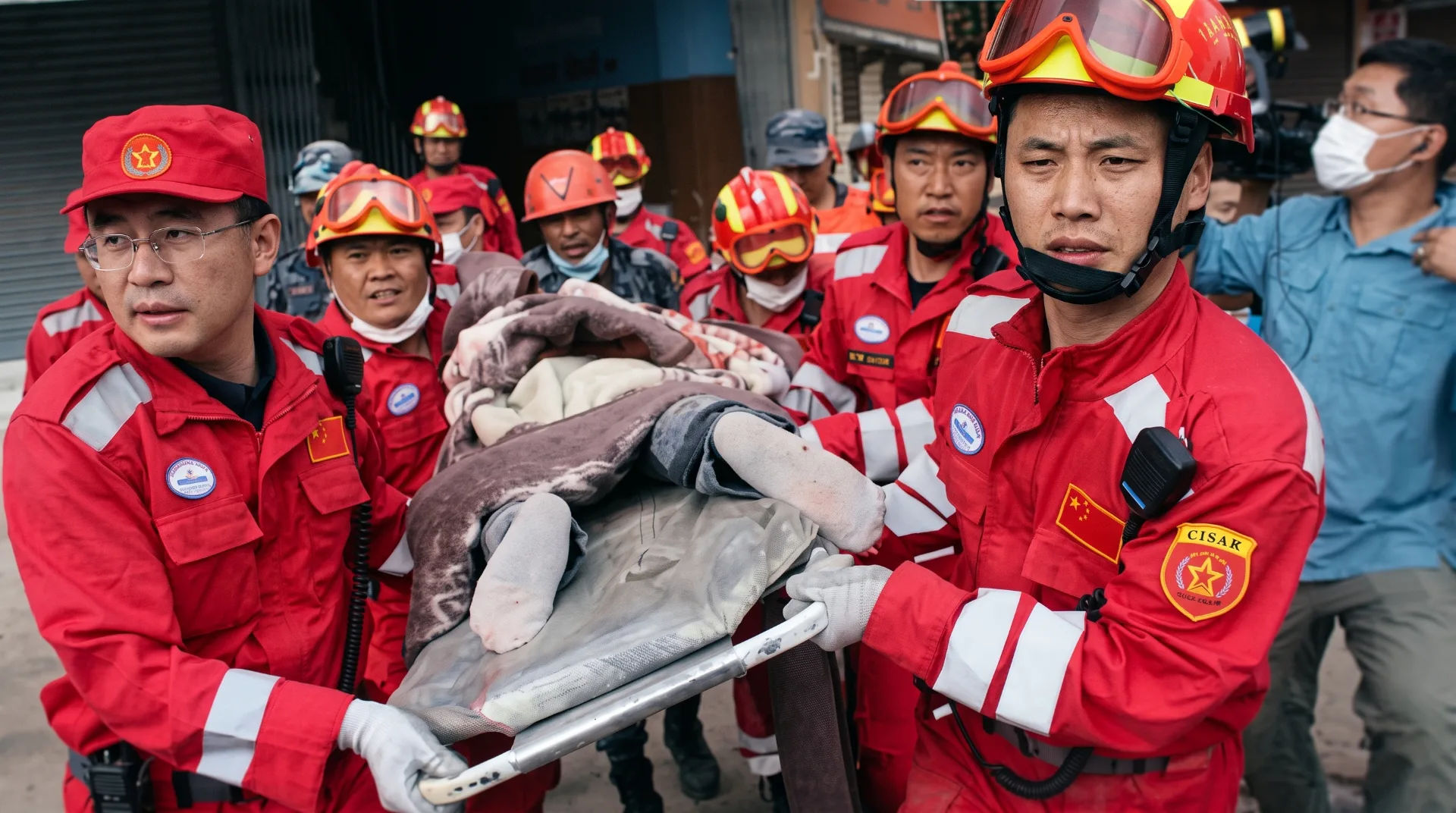
Surviving a Deadly Flash Flood in Nepal: The Story of a Labourer Saved by a Mango Tree
People stand near mud covered houses and a road, following a flash flood at Trishuli in Nuwakot district, Nepal, August 26, 2026. REUTERS/Navesh Chitrakar
The Nepal Flash Flood Survivor’s Harrowing Escape
On 26 August 2026, a Nepal flash flood survivor named Bibek Kumal escaped death in extraordinary circumstances. The 24-year-old labourer was working in Bidur, downstream from the worst-hit Rasuwa district near Nepal’s Himalayan border with Tibet. While digging a toilet pit outside a newly built house, he heard a strange hissing sound. This was a warning of the impending disaster. His co-workers shouted at him to flee, but by the time he scrambled out of the pit, the flood was already upon him.
Kumal described the flood as a “wall of water thundering down as if it was an earthquake.” The torrent swept him downstream amid mud and debris. Miraculously, he was saved by clinging to a mango tree. He said, “Had there been no mango tree, I would have been washed away to death.” Despite injuries to his right leg from the water and a large stone, Kumal survived. Police later found him and pulled him to safety. He was being treated at Kathmandu’s National Trauma Centre, where other flood victims were also receiving care.
The Flash Flood Disaster in Nepal
This Nepal flash flood survivor’s story is part of a much larger tragedy. On 26 August 2026, a catastrophic flash flood struck parts of Nepal, causing widespread devastation. The disaster was triggered by what appeared to be the collapse of a large mass of mud and rock into a river on the border between Nepal and Tibet, China. This sudden wall of water, mud and debris swept through settlements downstream, destroying homes, infrastructure and claiming many lives.
The flood has been reported as one of Nepal’s worst disasters in recent years. At least 95 people have been confirmed dead, and hundreds more remain missing, including many foreign travellers. Rescue teams have struggled to reach isolated communities cut off by the floodwaters. Hospitals in Kathmandu and the affected districts have been treating numerous injured survivors.
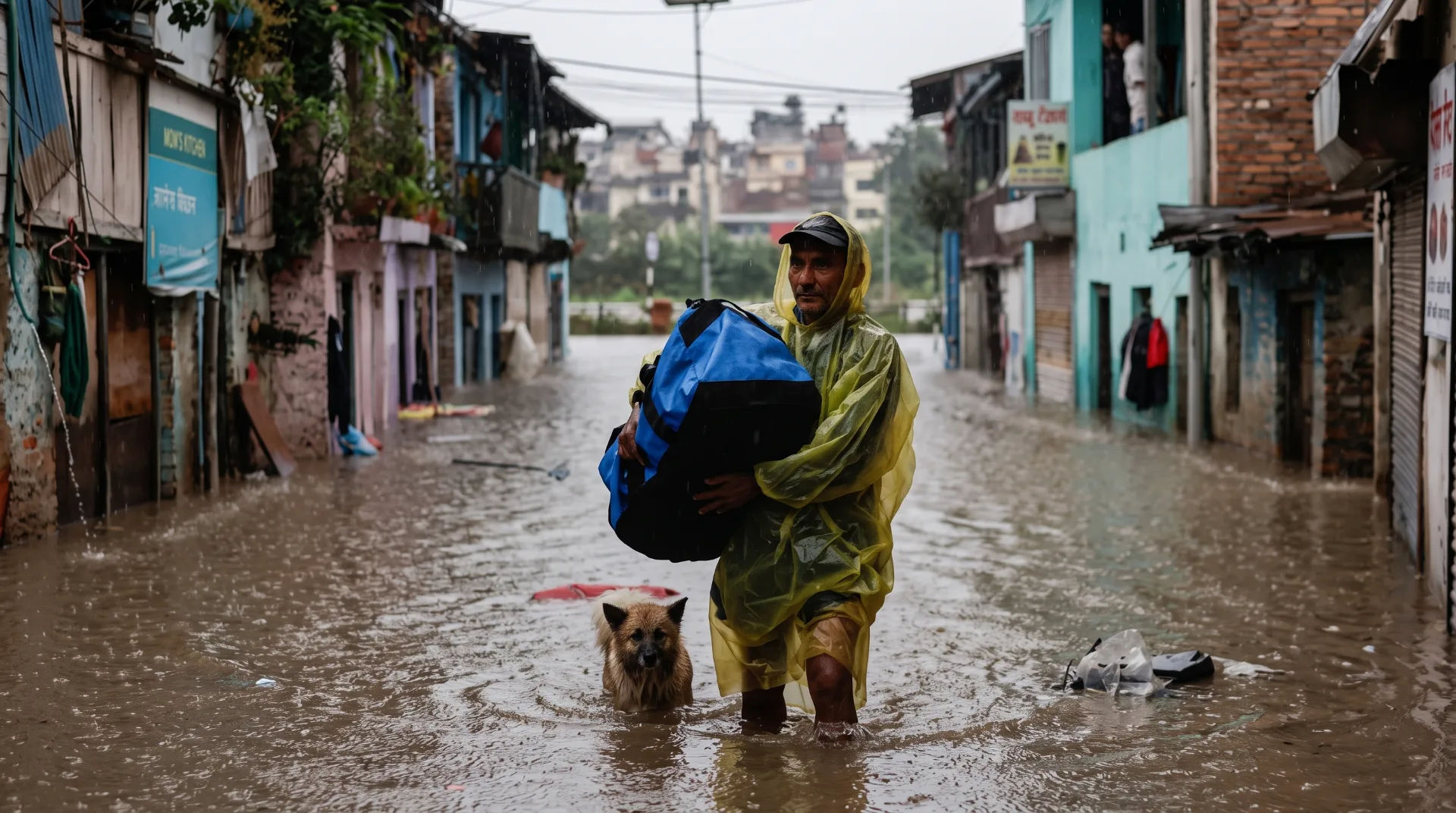
The Scale and Impact of the Nepal Flash Flood Survivor’s Experience
Security footage from the Chinese side of the border showed many people fleeing just before the flood struck. The footage captured buildings and vehicles being destroyed. The exact cause of the mudslide remains unclear. However, the German Research Centre for Geosciences reported a 4.4-magnitude earthquake about seven minutes before the time shown on the footage. This earthquake may have contributed to the disaster.
The flood devastated entire villages and infrastructure in the region. Survivors recount the chaos as the torrent swept away homes and lives. Rescue teams have so far saved over 114 people, but the search continues for many still missing.
Challenges in Rescue and Relief Efforts After the Nepal Flash Flood
The terrain and scale of destruction have made rescue operations difficult. Floodwaters have cut off access to many communities, complicating efforts to deliver aid and evacuate survivors. Hospitals in Kathmandu and Rasuwa are under pressure as more injured people are brought in.
The disaster has also raised concerns for foreign travellers caught in the region, with many reported missing. Authorities and international agencies are coordinating to provide support and locate those affected.
What Caused the Nepal Flash Flood?
Flash floods in mountainous regions like Nepal can be sudden and devastating. In this case, the collapse of a large mass of mud and rock into a river triggered a surge of water mixed with debris. This created a wall of water that rushed downstream with enormous force.
The earthquake detected nearby may have destabilised the terrain, causing the mudslide. Such natural disasters are common in the Himalayas, where steep slopes and seismic activity combine to create hazards. Climate change may also be increasing the frequency and severity of such events by melting glaciers and increasing rainfall intensity.
The Human Impact: Stories of Survival and Loss
The story of the Nepal flash flood survivor Bibek Kumal highlights the human resilience amid disaster. His quick thinking and the chance presence of a mango tree saved his life. Many others were not so fortunate. Entire families have lost their homes and loved ones.
Local communities are now facing the long road to recovery. The destruction of homes, roads and infrastructure means rebuilding will take time. Many survivors are displaced and require urgent humanitarian aid, including food, clean water and medical care.
How Are Rescue Teams Responding?
Rescue teams face many challenges in reaching affected areas. The floodwaters have washed away roads and bridges, making access difficult. Helicopters and boats are being used where possible to reach isolated villages.
Medical teams are working around the clock to treat the injured. Temporary shelters have been set up for those who lost their homes. International aid organisations are coordinating with local authorities to provide assistance.
What Can We Learn From the Nepal Flash Flood Survivor’s Story?
The experience of Bibek Kumal and others caught in the flood shows the importance of early warning systems and disaster preparedness. In mountainous regions prone to flash floods, communities need better ways to detect and respond to sudden hazards.
Education on emergency response and evacuation can save lives. Infrastructure planning should consider flood risks to reduce future damage. The Nepal flash flood survivor’s story is a reminder of nature’s power and the need for resilience and preparedness.
For more on natural disasters and emergency responses, see Bournemouth News.
For information on local emergency preparedness and safety, visit GOV.UK.
For further details on Nepal and the Himalayan region, see Wikipedia: Nepal.
If you want to explore more about travel and the best times to visit mountainous regions, check our When to Visit Bournemouth guide.
To learn about local nature reserves and how natural environments are protected, visit Turbary Common Local Nature Reserve.
For insights into local attractions and days out, see our Things to Do section.
This tragic event reminds us of the power of nature and the resilience of those who survive against the odds. The story of Bibek Kumal, saved by a mango tree, is a testament to human endurance amid disaster. The Nepal flash flood survivor’s experience offers hope and lessons for communities worldwide facing similar threats.
Frequently asked questions
What caused the flash flood in Nepal on 26 August 2026?
The flash flood was triggered by the collapse of a large mass of mud and rock into a river on the border between Nepal and Tibet, China. This sudden wall of water, mud and debris swept through downstream settlements, causing widespread destruction. A 4.4-magnitude earthquake reported just before the flood may have contributed to the disaster.
How many people were affected by the Nepal flash flood?
At least 95 people were confirmed dead, and hundreds more were reported missing, including many foreign travellers. Rescue teams have saved over 114 people so far, but many are still unaccounted for. The flood devastated entire villages and infrastructure in the region.
Who is Bibek Kumal and how did he survive the flood?
Bibek Kumal is a 24-year-old Nepali labourer who was working in Bidur when the flood struck. He was digging a toilet pit when he heard a warning sound and tried to flee, but the flood caught him. He survived by clinging to a mango tree, which saved him from being washed away. He suffered injuries to his right leg but was rescued and treated in Kathmandu.
What challenges have rescue teams faced during the relief efforts?
Rescue operations have been difficult due to the terrain and the scale of destruction. Floodwaters have cut off access to many communities, making it hard to deliver aid and evacuate survivors. Hospitals in Kathmandu and affected districts are under pressure from the number of injured people being treated.
What has been the response to foreign travellers affected by the flood?
Many foreign travellers were reported missing in the affected region. Authorities and international agencies are coordinating efforts to provide support and locate those impacted by the disaster. The situation remains challenging due to the remote and isolated nature of some communities.
What injuries did Bibek Kumal sustain during the flood?
Bibek Kumal suffered injuries to his right leg after being struck first by the floodwaters and then by a large stone carried by the torrent. Despite these injuries, he survived the disaster and received treatment at Kathmandu's National Trauma Centre.
How has the flood impacted infrastructure and communities in Nepal?
The flood destroyed homes, infrastructure and vehicles in the affected areas. Entire villages were devastated, and many communities were cut off by floodwaters. The disaster has caused significant disruption to daily life and posed serious challenges for rescue and relief operations.



Comments (0)
No comments yet. Be the first to join the conversation.