
Nepal flood wave causes devastation and ongoing rescue efforts
A sudden flood wave in Nepal's Nuwakot district caused severe damage and loss of life. Rescue efforts continue amid challenges posed by terrain and infrastructure damage.
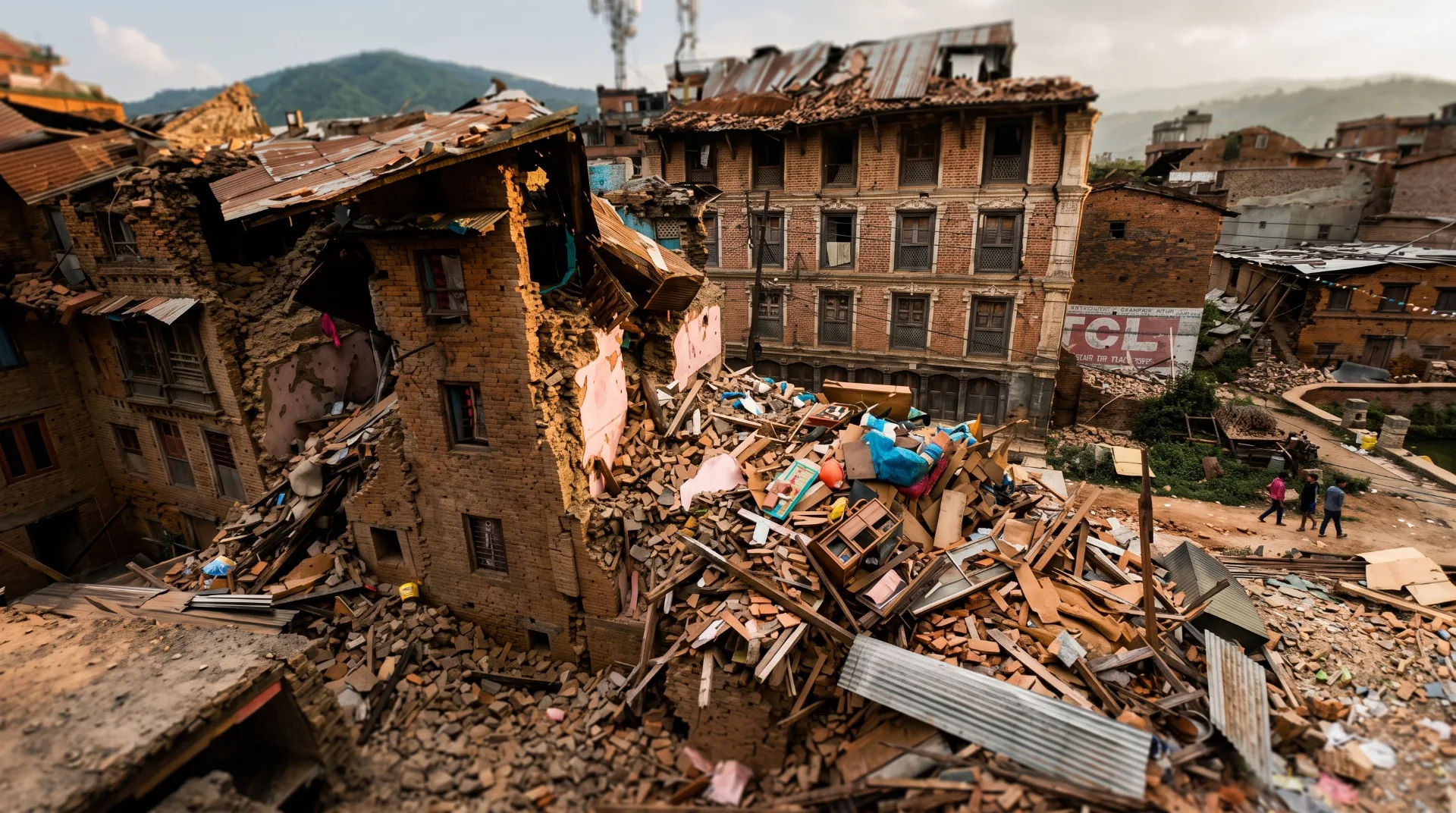
What We Know and Don’t Know About the Nepal Flood Wave
Overview of the Nepal Flood Wave Event
In late August 2026, a devastating flash flood struck along the Trishuli River in Nepal’s Nuwakot district. The disaster has resulted in significant destruction and loss of life, with at least 98 people confirmed dead and hundreds more reported missing. Rescue operations are ongoing amid widespread damage to homes, infrastructure, and the natural environment.
The Nepal flood wave was sudden and powerful, sweeping through communities with little warning. It has brought attention to the vulnerability of the region to such natural disasters, which are exacerbated by the area's mountainous terrain and seasonal monsoon rains.
This event has not only caused immediate devastation but also raised questions about disaster preparedness and response in Nepal, a country frequently affected by monsoon-related hazards. The scale of the flood wave highlights the urgent need for improved flood management and community resilience.
Immediate Impact and Human Cost
The human toll of the Nepal flood wave is severe. Many residents were caught unprepared by the rapid rise of water levels, leading to tragic fatalities and missing persons. Emergency services and local authorities are coordinating rescue and relief efforts, but the scale of the disaster poses challenges to swift response.
The affected areas have seen homes washed away, roads and bridges damaged, and essential services disrupted. Entire neighbourhoods have been submerged or buried under mud and debris, leaving survivors displaced and in urgent need of shelter, medical aid, and basic supplies.
Local hospitals and clinics are overwhelmed with injured people, and the risk of waterborne diseases is rising due to contaminated water sources. The psychological impact on survivors, many of whom have lost family members and livelihoods, is profound and will require long-term support.
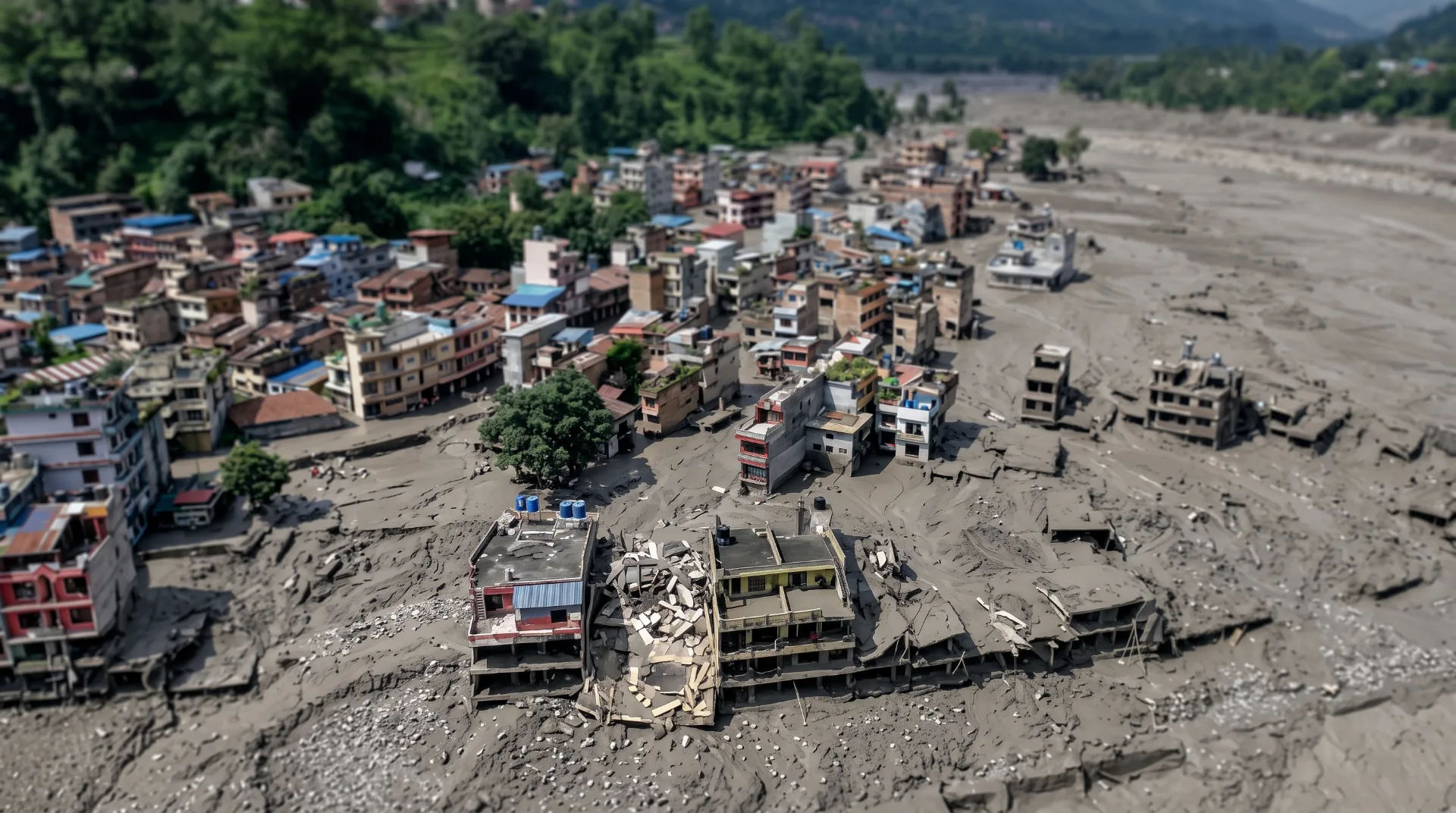
Causes Behind the Nepal Flood Wave
Natural Factors Contributing to the Flood
The region’s geography plays a critical role in the occurrence of flash floods. Nepal’s steep river valleys and heavy monsoon rainfall create conditions where water can accumulate rapidly and surge downstream with great force.
In this event, intense rainfall likely triggered landslides and riverbank collapses, which contributed to the sudden flood wave. The Trishuli River, a major watercourse in the area, swelled beyond its banks, overwhelming natural and man-made barriers.
The mountainous terrain funnels water quickly into narrow valleys, amplifying the speed and volume of floodwaters. This topography means that communities situated along riverbanks are particularly vulnerable to sudden flood waves.
The Role of Climate Change and Weather Patterns
While flash floods are common during the monsoon season, scientists and experts are examining whether climate change has intensified the severity and frequency of such events. Changes in atmospheric conditions can lead to heavier and more erratic rainfall, increasing the risk of flooding.
Meteorological data is being analysed to understand the precise weather patterns that led to the Nepal flood wave. This includes studying recent storm systems, rainfall intensity, and the impact of global warming on regional climate behaviour.
Climate change is believed to be altering monsoon patterns, making them less predictable and more extreme. The increased likelihood of intense rainfall events raises concerns about future flood risks in Nepal and similar mountainous regions.
What Is Still Unclear About the Flood Wave
Uncertainties in the Exact Sequence of Events
Despite ongoing investigations, there remain gaps in knowledge about the exact triggers and progression of the Nepal flood wave. Questions persist regarding the timing of landslides, the contribution of upstream water flows, and whether any human activity may have influenced the disaster’s scale.
Authorities are collecting data from satellite imagery, eyewitness accounts, and hydrological measurements to build a clearer picture. This information is vital for improving future flood prediction and preparedness.
Understanding the sequence of events will help identify critical points where early warning or intervention might have reduced the impact. It will also inform infrastructure planning to withstand similar flood waves in the future.
Challenges in Rescue and Recovery Operations
The difficult terrain and damaged infrastructure complicate rescue efforts. Access to remote villages is limited, and communication networks have been disrupted. There is uncertainty about the full extent of the affected population and the resources required for effective aid.
International assistance and local coordination are essential to address these challenges. The situation remains fluid, with new information emerging as teams reach isolated areas.
Rescue teams face hazards such as unstable ground, ongoing rainfall, and the risk of further landslides. Delivering aid to survivors requires careful logistics and collaboration between government agencies, NGOs, and community groups.
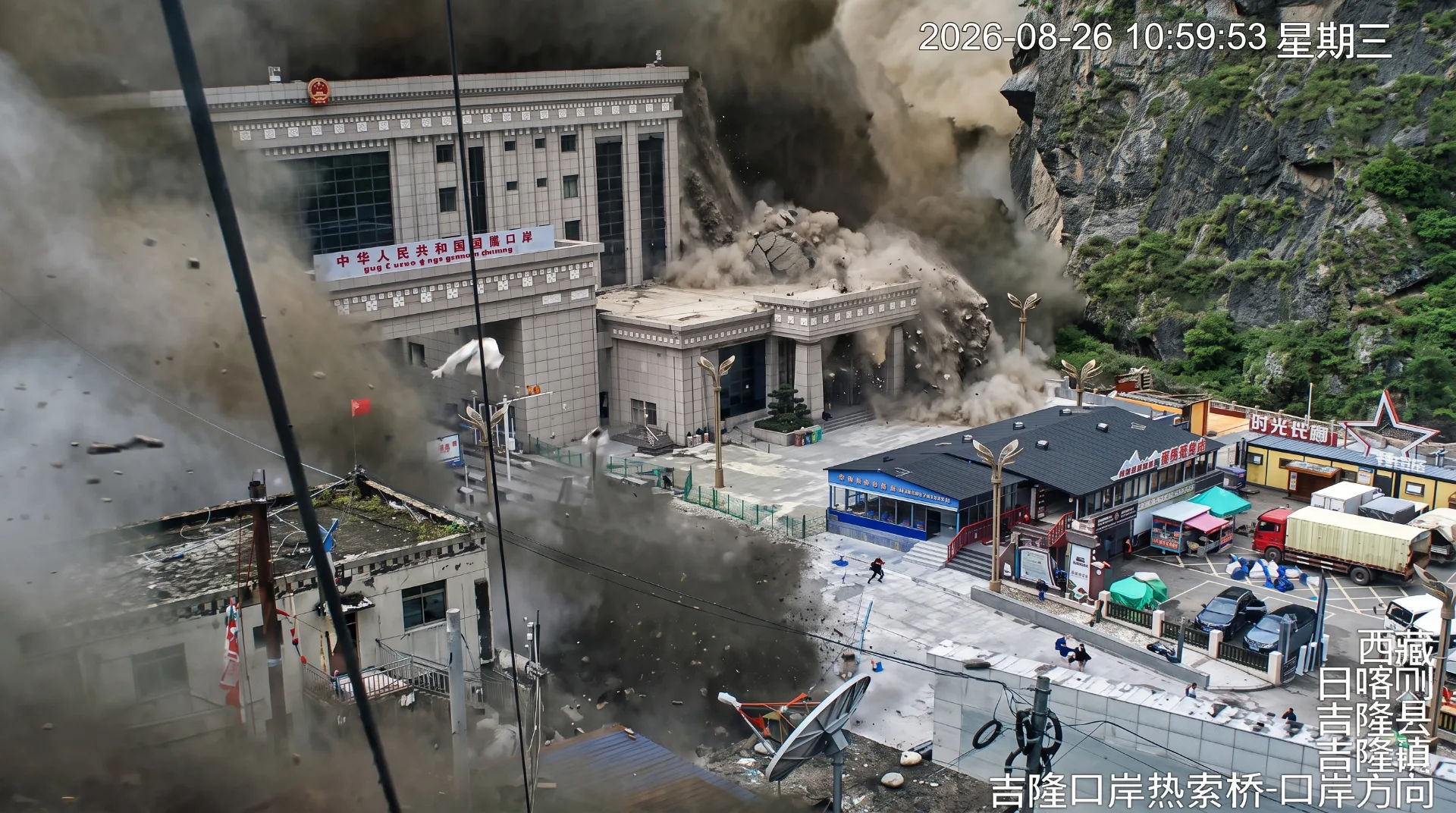
Understanding Flash Floods in Nepal’s Context
Geography and Hydrology of the Region
Nepal’s mountainous landscape is characterised by fast-flowing rivers and narrow valleys. The Trishuli River basin, where the flood occurred, is prone to rapid water level changes during heavy rains. This topography means that flash floods can develop quickly, leaving little time for warning.
The hydrological dynamics involve snowmelt, rainfall, and sediment transport, all of which influence river behaviour. During monsoon season, the combination of heavy rain and melting snow can cause rivers to swell rapidly, increasing flood risk.
The Nepal flood wave is a stark reminder of how natural geography and weather patterns combine to create hazardous conditions. Managing these risks requires detailed understanding of river systems and watershed management.
Historical Flood Events and Lessons Learned
Nepal has experienced several significant floods in the past, each providing insights into disaster management and mitigation. Previous events have highlighted the need for improved early warning systems, community awareness, and infrastructure resilience.
For example, the 2017 floods in Nepal caused widespread damage and prompted efforts to enhance disaster preparedness. Lessons learned from such events have informed current strategies but the recent Nepal flood wave shows that challenges remain.
Analysing past floods helps identify vulnerabilities and informs policies aimed at reducing the impact of similar disasters. This ongoing learning process is vital for protecting lives and livelihoods in flood-prone areas.
Preparing for Future Flood Risks in Nepal
Early Warning Systems and Community Preparedness
Enhancing early warning capabilities is a priority to reduce casualties in future floods. This includes installing river gauges, improving weather forecasting, and establishing communication networks to alert communities promptly.
Community education and preparedness programmes are equally important. Teaching residents about flood risks, evacuation routes, and emergency procedures can save lives when disasters strike.
The Nepal flood wave has underscored the need for more robust early warning infrastructure, especially in remote and vulnerable areas. Integrating local knowledge with modern technology can improve response times.
Infrastructure and Environmental Management
Investments in flood defence infrastructure, such as embankments and drainage systems, can mitigate flood damage. Additionally, sustainable land use and reforestation efforts help stabilise slopes and reduce landslide risks.
Environmental management must balance development needs with natural hazard considerations. Protecting riverbanks and maintaining healthy ecosystems contribute to long-term flood resilience.
In the wake of the Nepal flood wave, authorities are reviewing infrastructure standards and considering nature-based solutions to reduce future flood impacts. These include restoring wetlands and improving soil retention on hillsides.
How You Can Stay Informed and Support Relief Efforts
Following Reliable News Sources
For ongoing updates about the Nepal flood wave and related weather events, it is important to follow trusted news outlets and official sources. Accurate information helps communities and supporters respond effectively.
Keeping informed about the situation enables timely support and helps avoid misinformation. Monitoring updates from humanitarian agencies and meteorological services is recommended.
Ways to Help Those Affected
International and local organisations are mobilising to provide aid. Donations, volunteering, and raising awareness are ways to support relief and recovery efforts. Checking with reputable charities ensures your contributions make a positive impact.
The Nepal flood wave has prompted a global response, with many groups coordinating to deliver emergency supplies and long-term assistance. Supporting these efforts can make a real difference to those affected by the disaster.
For more on weather events and their impact around the world, visit Weather.
To understand how climate change influences extreme weather, see resources from Visit Dorset and the Met Office.
If you are interested in natural disasters and their management, explore our Things to Do and Visitor Information sections for local insights and preparedness tips.
Frequently asked questions
What caused the flash flood along the Trishuli River in Nepal's Nuwakot district?
The flash flood was caused by intense monsoon rainfall that triggered landslides and riverbank collapses. Nepal's steep river valleys and heavy seasonal rains create conditions where water can accumulate rapidly and surge downstream with great force. The Trishuli River swelled beyond its banks, overwhelming natural and man-made barriers, leading to the sudden flood wave.
How severe was the impact of the Nepal flood wave in terms of human loss and damage?
The flood wave resulted in at least 98 confirmed deaths with hundreds more reported missing. Many homes were washed away, roads and bridges were damaged, and essential services were disrupted. The affected communities face urgent needs for shelter, medical aid, and basic supplies as rescue and recovery efforts continue amid widespread devastation.
What challenges are faced in the rescue and recovery operations following the flood?
Rescue efforts are complicated by the difficult mountainous terrain and damaged infrastructure, which limit access to remote villages. Communication networks have been disrupted, making coordination harder. There is also uncertainty about the full extent of the affected population and the resources needed, requiring international assistance and local coordination to address these challenges effectively.
How does Nepal's geography influence the occurrence of flash floods?
Nepal's mountainous landscape features fast-flowing rivers and narrow valleys, which cause rapid changes in water levels during heavy rains. The Trishuli River basin is particularly prone to sudden water surges due to this topography. The hydrological dynamics, including snowmelt, rainfall, and sediment transport, further influence river behaviour and the likelihood of flash floods developing quickly with little warning.
What measures are being considered to prepare for future flood risks in Nepal?
Key measures include enhancing early warning systems by installing river gauges, improving weather forecasting, and establishing communication networks to alert communities promptly. Community education programmes focus on flood risks, evacuation routes, and emergency procedures. Additionally, investments in flood defence infrastructure and sustainable environmental management, such as reforestation and protecting riverbanks, aim to reduce flood damage and landslide risks.
Is climate change considered a factor in the severity of the Nepal flood wave?
Scientists are examining whether climate change has intensified the severity and frequency of such flash floods. Changes in atmospheric conditions can lead to heavier and more erratic rainfall, increasing flood risk. Meteorological data is being analysed to understand recent storm systems, rainfall intensity, and the impact of global warming on regional climate behaviour, though precise conclusions are still being developed.
How can people stay informed about the ongoing situation and support relief efforts?
Following trusted news outlets and official sources is important for accurate and timely updates on the flood wave and related weather events. To support relief efforts, individuals can donate, volunteer, or raise awareness through reputable international and local organisations providing aid. Ensuring contributions go to reliable charities helps make a positive impact for those affected.

Comments (0)
No comments yet. Be the first to join the conversation.