
Nepal Tibet flash floods cause widespread destruction and ongoing rescue efforts
Sudden flash floods caused by a glacier collapse have swept through towns along the Nepal-Tibet border, destroying homes and infrastructure and prompting urgent rescue efforts.
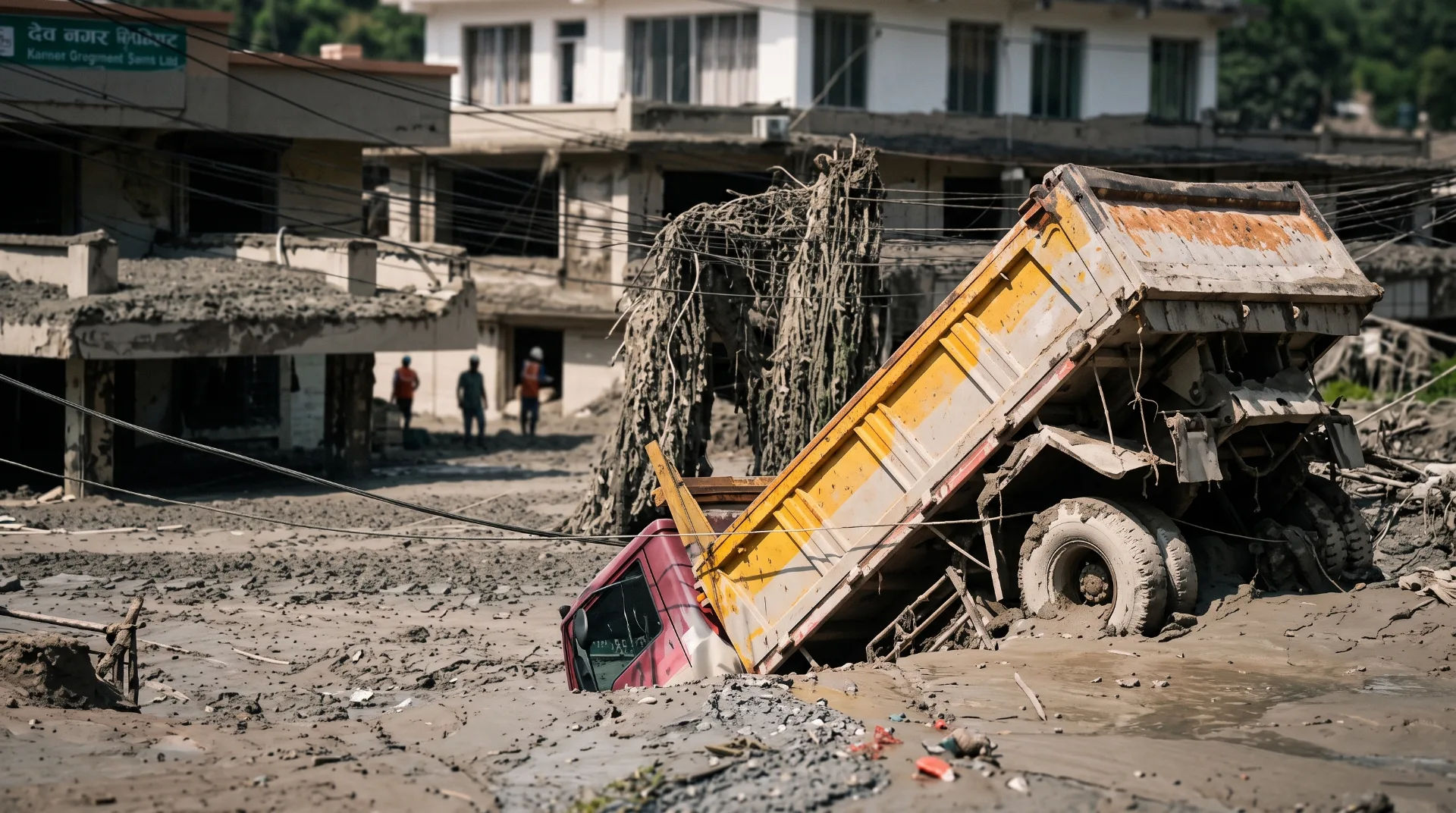
Flash Floods on the Nepal-Tibet Border: A Devastating Natural Disaster
The recent Nepal Tibet flash floods have unleashed overwhelming walls of water through Himalayan mountain towns and villages along the Nepal-Tibet border. These sudden and powerful floods have swept away vehicles, bridges, and entire buildings, forcing residents to flee in terror and leaving a trail of destruction in their wake. This article explores the causes, impacts, and ongoing rescue efforts related to this tragic event, providing a detailed understanding of the disaster and its wider implications.
What Are Flash Floods and How Do They Occur in Mountainous Regions?
Flash floods are sudden, intense floods that occur within minutes or hours of heavy rainfall or other triggers such as glacier collapses. In mountainous regions like the Himalayas, the steep terrain accelerates water flow, increasing flood velocity and destructive power. The rapid movement of water through narrow valleys and gorges means that flash floods can be particularly devastating in these areas.
Glacier collapses or ice dam failures can release large volumes of water rapidly, contributing to flash floods. In this case, a glacier collapse near the Nepal-Tibet border has triggered the floods, causing widespread devastation. The combination of heavy monsoon rains and unstable mountainous geology makes this area particularly vulnerable. These factors create a perfect storm for the Nepal Tibet flash floods, as melting glaciers and intense rainfall combine to overwhelm natural and man-made barriers.
The Scale and Impact of the Nepal Tibet Flash Floods
The Nepal Tibet flash floods have overwhelmed several towns and villages, destroying infrastructure and homes. Videos reveal entire bridges and buildings being swept away by the rushing water. Vehicles caught in the floods have been carried off or submerged, adding to the chaos. The scale of the destruction is vast, with roads and communication lines severed, leaving many communities isolated.
The human toll is severe, with dozens reported dead and hundreds missing. Many families have lost their homes and livelihoods as the floods have destroyed crops, livestock, and local businesses. Rescue efforts are ongoing, hampered by the difficult terrain and damaged infrastructure. Many residents have been evacuated or are still fleeing the affected areas, with some seeking shelter in temporary camps set up by relief agencies.
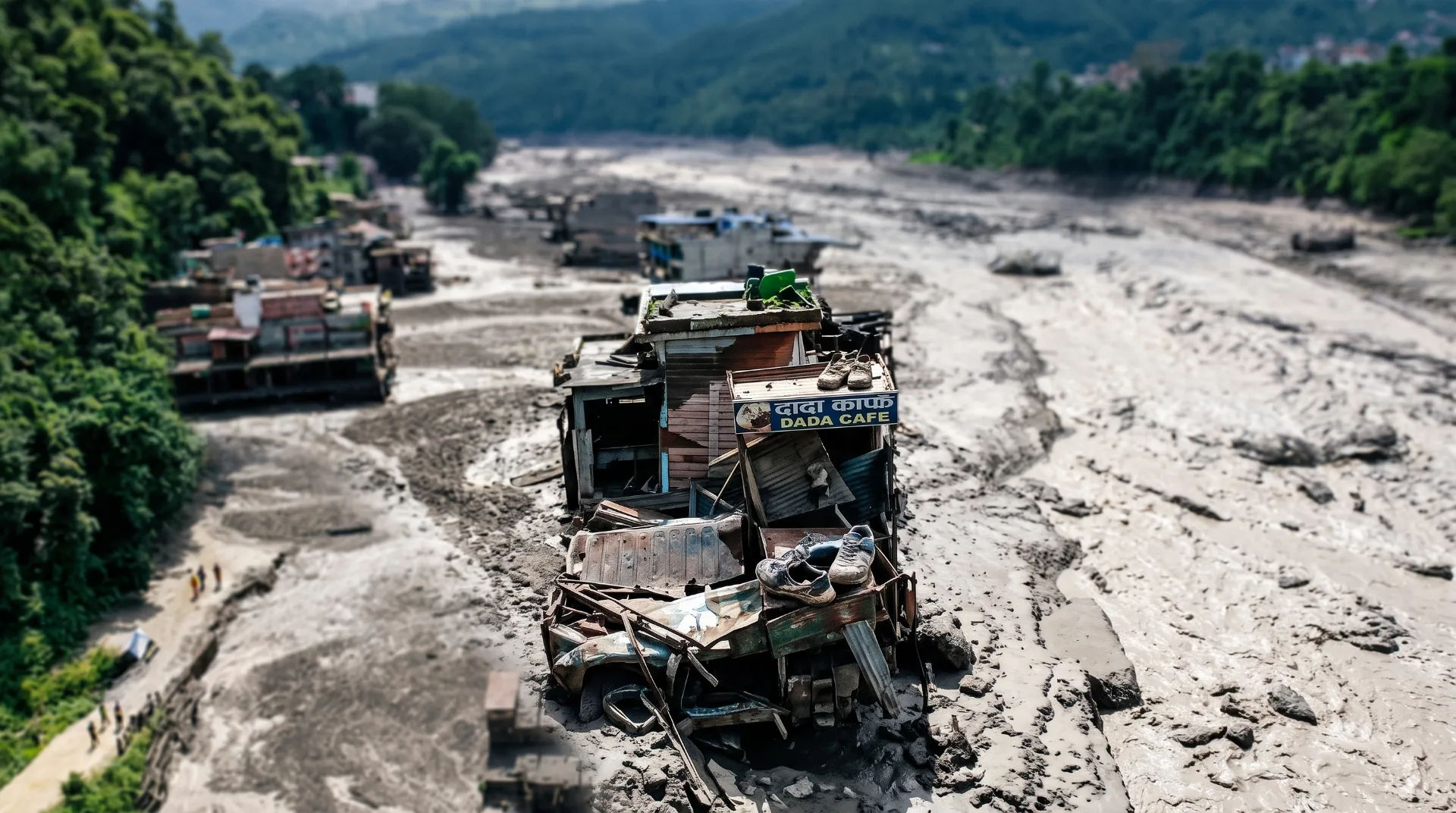
Causes Behind the Nepal Tibet Flash Floods
Understanding the causes of the Nepal Tibet flash floods is crucial for future prevention and preparedness. The primary trigger in this disaster was a glacier collapse, which released a sudden surge of water downstream. This event was exacerbated by the region’s monsoon season, which brings heavy and sustained rainfall, saturating the soil and increasing runoff.
Climate change is playing a significant role in increasing the frequency and severity of such events. Rising temperatures cause glaciers to melt faster, leading to unstable ice formations and the risk of sudden collapses or glacial lake outburst floods (GLOFs). The Himalayan region is particularly sensitive to these changes, making communities along the Nepal-Tibet border more vulnerable to flash floods and landslides.
Rescue and Relief Operations Amidst the Nepal Tibet Flash Floods
Emergency response teams from Nepal and neighbouring regions have mobilised to assist the victims of the Nepal Tibet flash floods. Rescue operations focus on searching for survivors, providing medical aid, and restoring access to isolated communities. The challenging mountainous terrain and damaged infrastructure have made these efforts difficult, but teams are working tirelessly to reach those in need.
Helicopters and specialised mountain rescue teams are being deployed where possible to access remote areas cut off by the floods. Relief supplies including food, water, and shelter materials are being distributed to displaced residents. International aid organisations have also joined the efforts, providing additional resources and expertise to support the local authorities.
Safety and Travel Advice for Visitors and Locals During the Nepal Tibet Flash Floods Crisis
Given the ongoing crisis, authorities advise avoiding travel to the affected border areas. Those living nearby should remain alert to weather warnings and be prepared for possible evacuations. Local communities are urged to follow official guidance and stay informed through reliable sources.
If you are planning a trip to the Himalayas or surrounding regions, monitor official updates from GOV.UK and local authorities. Understanding the risks of flash floods and having an emergency plan is essential for safety. Visitors should also consider travel insurance that covers natural disasters and be ready to adjust plans in response to changing conditions.
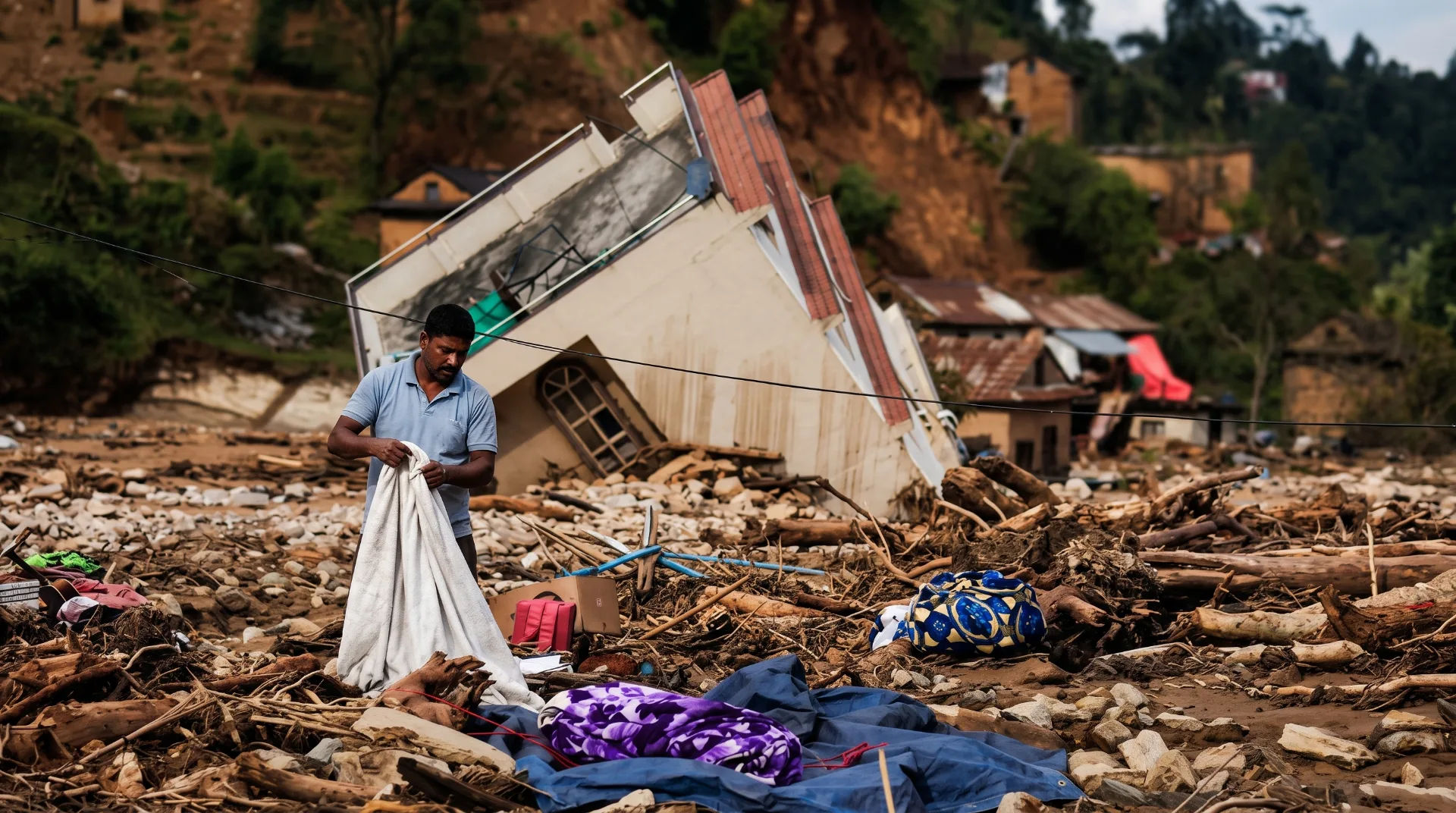
The Broader Context: Climate Change and Natural Hazards in the Himalayas
The Himalayan region is known for its stunning landscapes but also for natural hazards like earthquakes, landslides, and floods. The Nepal Tibet flash floods are a stark reminder of the vulnerability of mountain communities to these threats. Climate change is contributing to glacier melting and instability, increasing the frequency of such disasters.
Scientists warn that as global temperatures rise, the risk of glacier collapses and flash floods in the Himalayas will continue to grow. This makes disaster preparedness, early warning systems, and sustainable development vital for protecting lives and livelihoods. The tragic event highlights the need for international cooperation to address climate change and support vulnerable regions.
Long-Term Recovery and Support for Affected Communities
Recovery from the Nepal Tibet flash floods will be a long and challenging process. Beyond immediate rescue and relief, affected communities will need support to rebuild homes, infrastructure, and local economies. Efforts to restore access to clean water, healthcare, and education are also critical.
Sustainable development initiatives that consider the risks of climate change and natural disasters can help build resilience. This includes better land use planning, improved infrastructure, and community-based disaster risk management. International aid and government support will play key roles in helping the region recover and prepare for future challenges.
For those interested in local news and events, see our Bournemouth News section for updates and stories closer to home. To explore family-friendly days out and attractions, visit our Things to Do page.
For official weather forecasts and warnings, consult the Met Office, which provides detailed information relevant to both the UK and international locations.
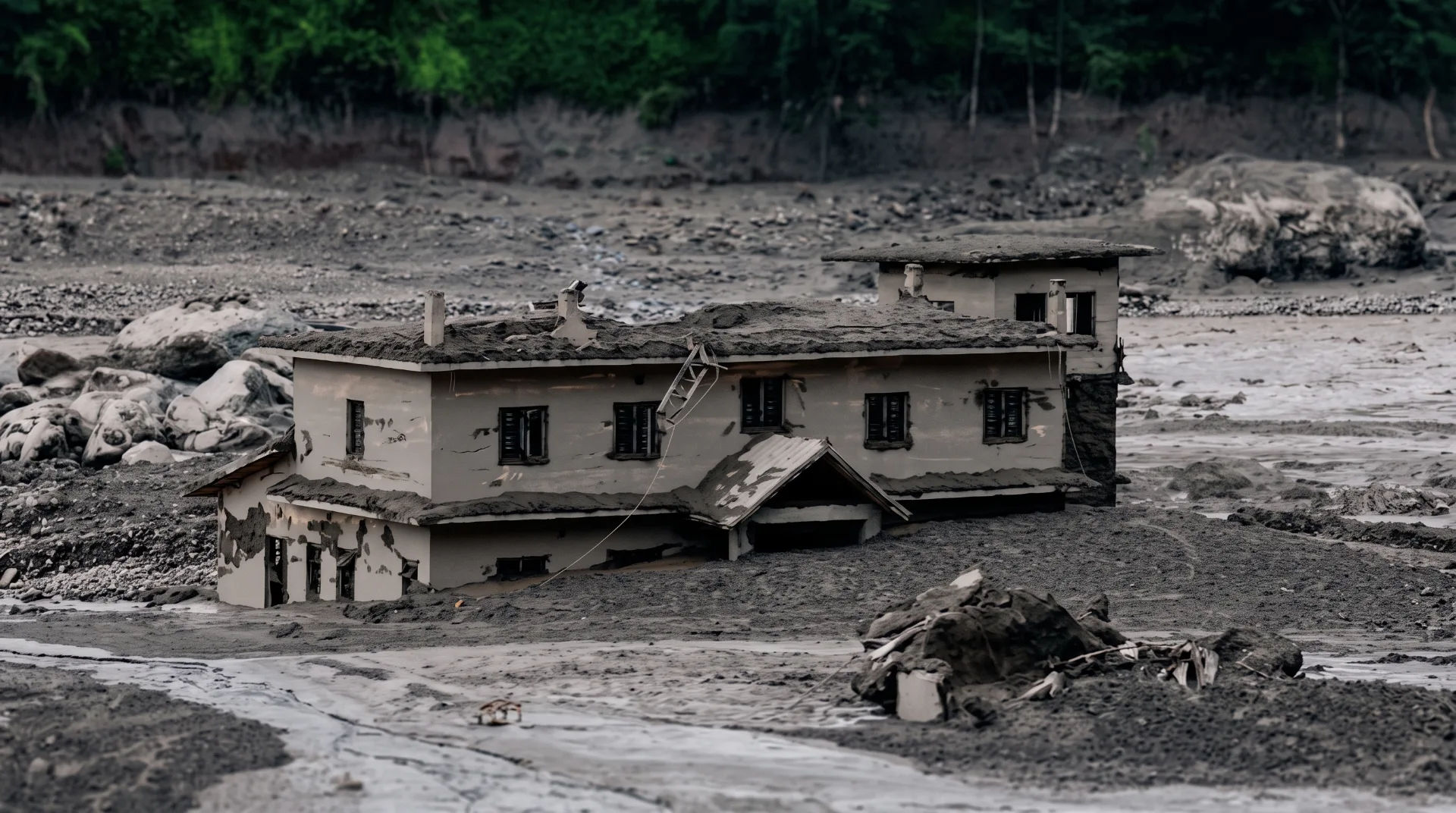
This article is based on verified reports and video evidence from the Nepal-Tibet border region. Rescue efforts continue as the situation develops. We will update this page with new information as it becomes available.
Frequently asked questions
What causes flash floods in mountainous regions like the Nepal-Tibet border?
Flash floods in mountainous regions occur due to sudden, intense rainfall or events such as glacier collapses. The steep terrain of the Himalayas accelerates water flow, increasing the speed and destructive power of the flood. In this recent event, a glacier collapse near the Nepal-Tibet border triggered the flash floods, compounded by heavy monsoon rains and unstable geology.
What has been the impact of the flash floods on towns and villages along the Nepal-Tibet border?
The flash floods have devastated several towns and villages, destroying infrastructure including bridges and buildings. Vehicles have been swept away or submerged, causing chaos and disruption. The human toll is significant, with dozens reported dead and hundreds missing. Many residents have been evacuated or are still fleeing the affected areas.
What rescue and relief efforts are underway in response to the floods?
Emergency teams from Nepal and neighbouring regions are actively involved in rescue operations, focusing on finding survivors, providing medical aid, and restoring access to isolated communities. Due to the difficult terrain and damaged infrastructure, helicopters and specialised mountain rescue teams are being deployed where possible. Relief supplies such as food, water, and shelter materials are being distributed to displaced residents.
What safety advice is given for visitors and locals near the affected areas?
Authorities advise avoiding travel to the affected Nepal-Tibet border areas due to the ongoing crisis. Residents nearby should stay alert to weather warnings and be prepared for possible evacuations. Visitors planning trips to the Himalayas should monitor official updates from GOV.UK and local authorities, understand the risks of flash floods, and have an emergency plan in place for safety.
How does climate change relate to the increased risk of flash floods in the Himalayas?
Climate change contributes to glacier melting and instability in the Himalayan region, which increases the frequency of natural disasters like flash floods. Melting glaciers can lead to glacier collapses or ice dam failures, releasing large volumes of water rapidly. This event highlights the vulnerability of mountain communities to such hazards and the importance of disaster preparedness.
Why is it difficult to reach some of the affected areas for rescue operations?
The affected areas are located in remote and mountainous terrain, which is challenging to access. The flash floods have also damaged infrastructure such as roads and bridges, further complicating rescue efforts. As a result, helicopters and specialised mountain rescue teams are necessary to reach isolated communities and provide aid.



Comments (0)
No comments yet. Be the first to join the conversation.