
Escape the everyday means taking a break from routine life to refresh your mind and body. It involves finding new experiences, places, or activities that provide a sense of relief from daily pressures. This page explains how to plan and enjoy escapes that suit different interests and practical needs.
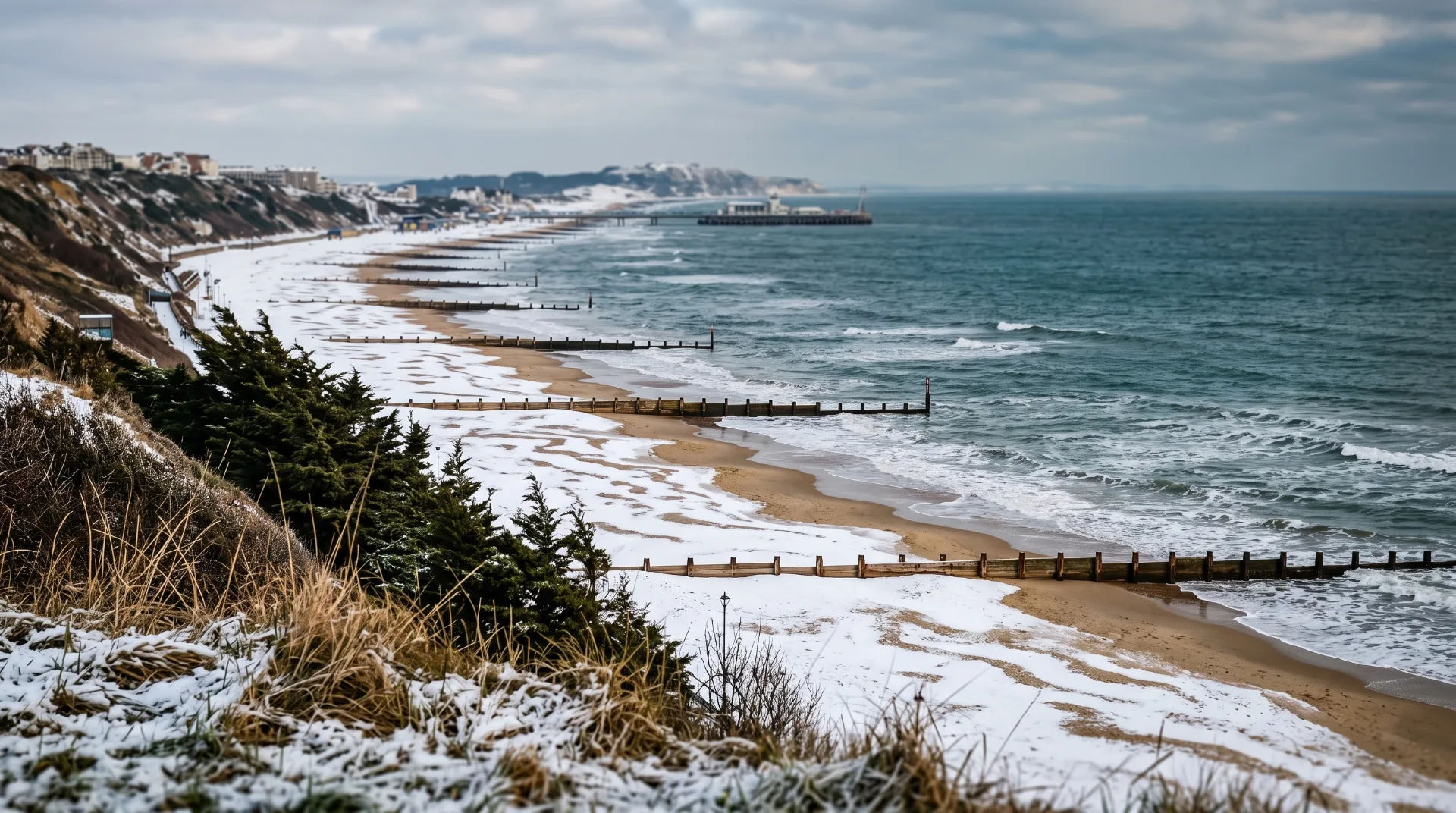
The guide covers types of escapes, how to choose the right one, practical considerations such as timing and budget, and suggestions for destinations and activities. It also includes advice on making the most of your time away and returning refreshed.
What does escaping the everyday involve
Escaping the everyday typically involves stepping away from work, chores, and familiar environments. It can be a short break or a longer holiday, depending on your available time and resources. The goal is to reduce stress and gain perspective by engaging in different surroundings or activities.
Some escapes focus on relaxation, such as spending time in nature or at a spa. Others involve adventure or cultural experiences, like exploring new towns or trying new hobbies. The choice depends on personal preferences and what helps you recharge.
Planning an escape often starts with identifying what aspects of everyday life feel most draining. For example, if you find city noise overwhelming, a countryside retreat might be ideal. If you want to disconnect digitally, a remote location with limited internet access could help.
How to choose the right escape for you
Choosing an escape involves balancing your interests, time, and budget. Consider what activities bring you joy or calm and how much time you can realistically take off. Some escapes require more preparation or travel, while others can be local or even at home with a change of routine.
- Relaxation escapes: These include spa breaks, beach holidays, or countryside cottages. They suit those needing rest and quiet. For example, a weekend in the New Forest offers peaceful woodland walks and cosy accommodation.
- Active escapes: Hiking, cycling, or water sports provide physical activity and fresh air. The South West Coast Path near Bournemouth offers varied terrain and sea views for walkers.
- Cultural escapes: Visiting museums, galleries, or historic sites can stimulate the mind. Bournemouth’s Russell-Cotes Art Gallery and Museum is a local option for art and history lovers.
- Creative escapes: Workshops in pottery, painting, or cooking classes can provide a new skill and a sense of achievement.
- Short local escapes: Even a day trip to a nearby town or park can break routine without extensive planning.
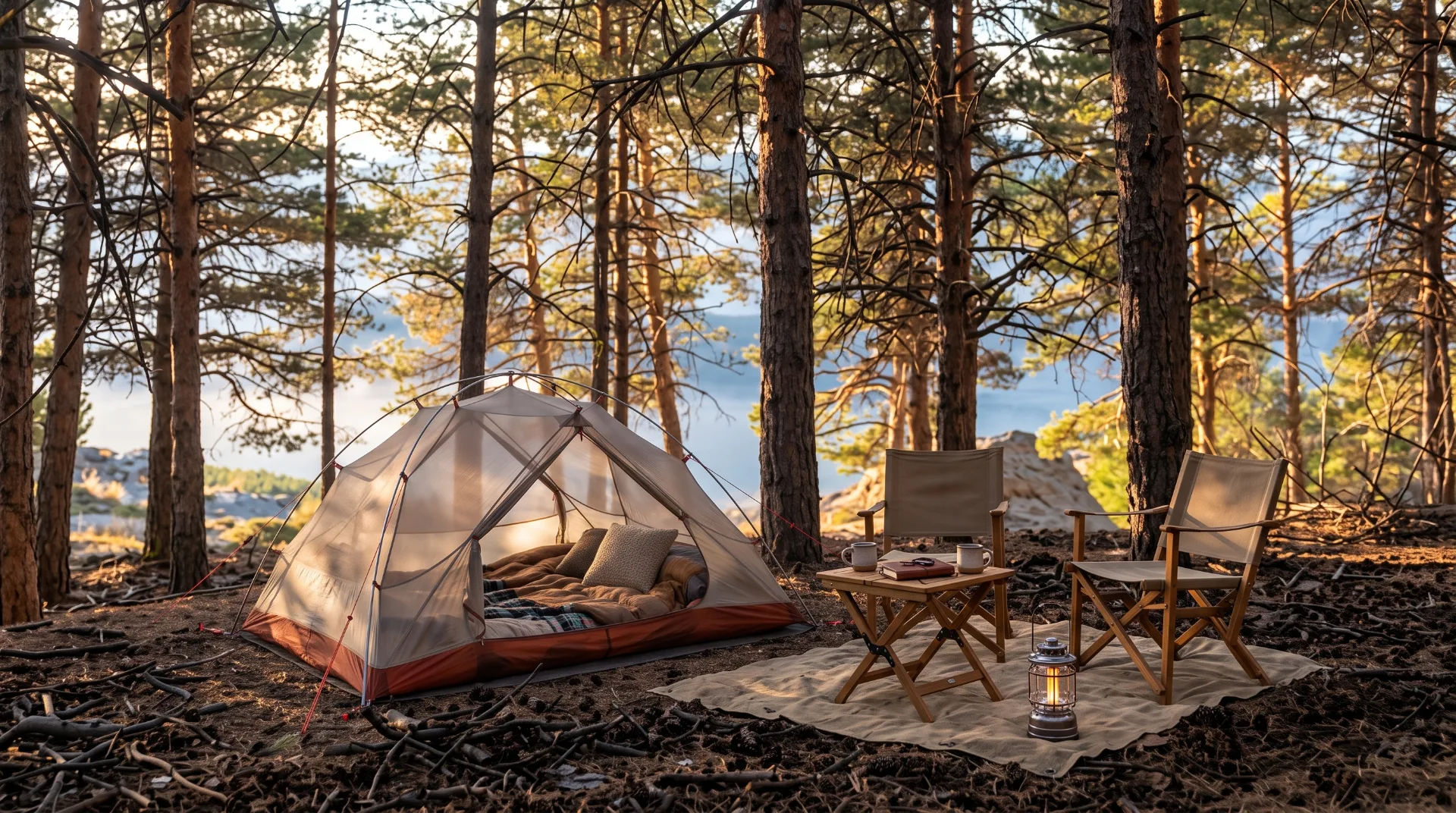
Matching escape length to your schedule
Short escapes of one or two days can fit into weekends or bank holidays. Longer breaks, such as a week or more, allow for more distant travel or deeper relaxation. Consider your work commitments and family responsibilities when planning.
Budget considerations
Escapes vary widely in cost. A local day trip may only require fuel and meals, while a week-long holiday can include accommodation, transport, and activities. Setting a budget early helps narrow options and avoid overspending.
Practical steps to plan your escape
Planning an effective escape involves several practical steps:
- Set clear dates: Decide when you can take time off and for how long.
- Choose a destination: Select somewhere that fits your interests and travel constraints.
- Book accommodation early: Popular spots fill quickly, especially in peak seasons.
- Plan activities: Research what to do and see, balancing busy days with downtime.
- Arrange transport: Consider driving, train, or coach options for convenience and cost.
- Prepare essentials: Pack appropriate clothing, medications, and any equipment needed.
- Manage work and home: Inform colleagues and family, arrange pet care or house sitting if needed.
Timing your escape for best effect
Seasonal factors affect the experience. For example, Bournemouth’s beaches are busiest in summer, while spring and autumn offer quieter conditions and mild weather. Off-peak travel can reduce costs and crowds.
Travel options to popular destinations
Bournemouth is well connected by train via the South Western Main Line, with direct services from London taking around 2 hours. The town also has good road links via the A338. Public transport within Bournemouth includes buses connecting beaches, town centre, and surrounding suburbs.
Destinations and activities to escape the everyday
The choice of destination depends on the kind of escape you want. Here are some examples near Bournemouth and beyond:
- Seaside relaxation: Bournemouth’s seven miles of sandy beaches provide space for sunbathing, swimming, and walking. Nearby Southbourne Beach offers calmer waters and family-friendly facilities.
- Countryside retreats: The New Forest National Park is 30 minutes’ drive from Bournemouth, with extensive walking trails, wildlife spotting, and traditional villages.
- Cultural day trips: Poole’s historic quay and museums are 15 minutes by car or bus, while Christchurch offers a medieval priory and riverside walks.
- Outdoor adventure: The Jurassic Coast World Heritage Site lies east of Bournemouth, with dramatic cliffs and fossil hunting opportunities.
- Wellness breaks: Several spas and wellness centres in Bournemouth and nearby towns offer treatments, yoga, and fitness classes.
Activities to refresh the mind and body
- Coastal walks along the Bournemouth coastline or Hengistbury Head.
- Cycling routes through the New Forest or along the promenade.
- Kayaking or paddleboarding in Poole Harbour.
- Visiting gardens such as Bournemouth’s Lower Gardens or the Subtropical Gardens at Alum Chine.
- Attending local events, theatre, or live music for cultural stimulation.
How to make the most of your escape
Maximising the benefits of your escape requires mindful choices:
- Disconnect digitally: Limit screen time to reduce stress and increase presence.
- Try new things: Engage in activities outside your usual routine to stimulate the brain.
- Rest adequately: Prioritise sleep and downtime to recover fully.
- Eat well: Choose fresh, local food to nourish your body.
- Reflect: Use journaling or quiet moments to process your experiences and insights.
Returning refreshed and maintaining balance
After your escape, maintaining some changes can help extend the benefits. This might include regular walks, setting boundaries for work hours, or continuing a new hobby. Planning regular breaks throughout the year also supports long-term wellbeing.
For more ideas on activities and places to visit, see our Things to Do section. To explore Bournemouth’s outdoor spaces and gardens, visit Explore. For details on local events, check What's On. If you need accommodation, our Where to Stay page offers options including serviced apartments.
External sources such as Visit Dorset provide further information on regional attractions and travel advice. For official travel and public information, consult GOV.UK.
Escape the everyday by planning thoughtfully and choosing experiences that suit your needs. Whether a short local break or a longer holiday, stepping away from routine supports wellbeing and refreshes perspective.