
Barfleur Poole leaves after 34 years ending Cherbourg ferry service
Barfleur has left Poole Harbour after more than 34 years, ending the familiar Poole to Cherbourg ferry service and marking the close of a key chapter in local maritime history.
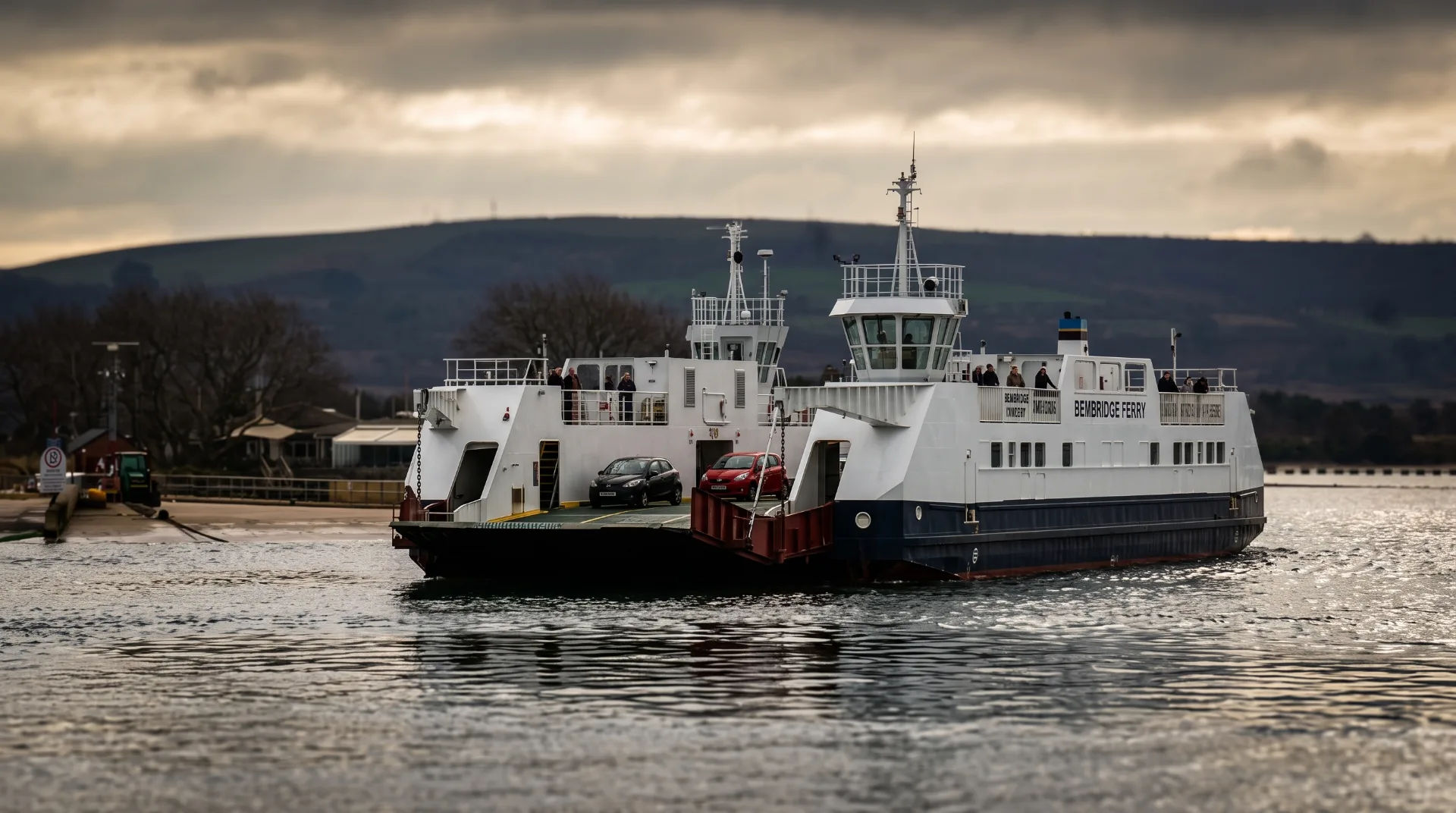
Barfleur Leaves Poole After 34 Years of Service
The Barfleur Poole ferry has left Poole Harbour for the final time after more than three decades of service between Poole and Cherbourg.
The Brittany Ferries vessel departed from the Port of Poole at 8.30am on Monday, 12 October 2026, bringing an end to a familiar cross-Channel service that had operated from the town since 1992.
Residents, former passengers and maritime enthusiasts gathered around Poole Harbour to watch the ferry leave, with some viewing the final departure from Sandbanks, Poole Quay and other points around the harbour.
For many local people, Barfleur had become part of the everyday landscape of Poole.
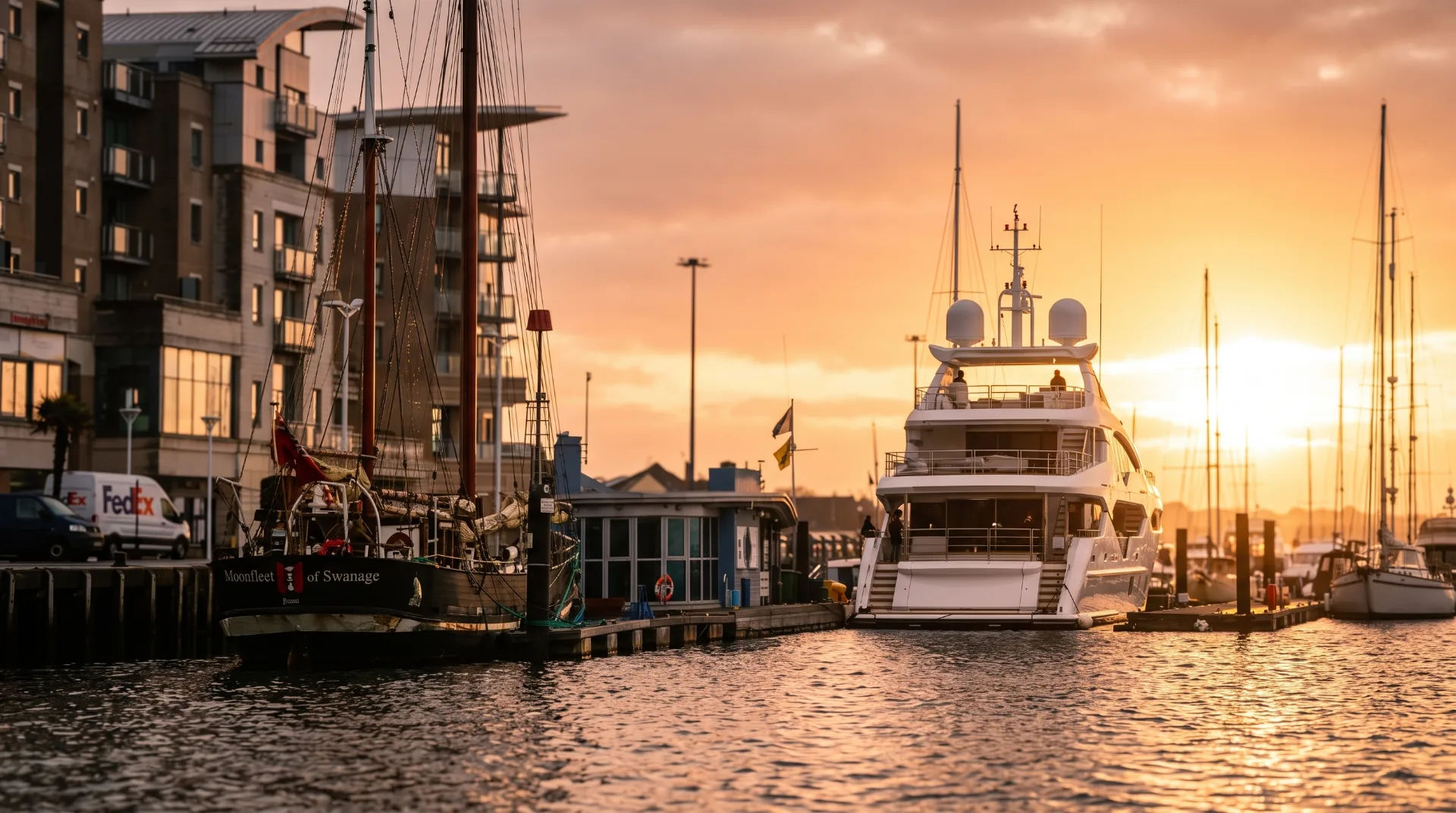
Barfleur left Poole Harbour for the final time on 12 October 2026 after more than 34 years of service.
Barfleur's final sailing from Poole
The last departure and route
Barfleur left the RoRo 3 berth at Poole at 8.30am before making its way through the harbour and heading towards Cherbourg in Normandy. Poole Harbour Commissioners confirmed this as the vessel's final sailing from the port.
The ferry first arrived in Poole on 4 April 1992 and spent over 34 years operating across the Channel. During that time, Barfleur Poole carried passengers, vehicles and freight between Dorset and Normandy. It became one of the most recognisable vessels in Poole Harbour.
Significance of the final voyage
The final departure marked the end of a long-standing cross-Channel ferry service that had connected Dorset with France for more than a generation. Barfleur’s regular presence made it a familiar sight to residents and visitors alike. It symbolised Poole’s maritime heritage and its role as a transport hub.
Crowds gather around Poole Harbour
Popular viewing points and farewell waves
The ferry’s last journey attracted people from across the local area keen to witness Barfleur’s final departure. Residents and maritime enthusiasts gathered at popular vantage points including Sandbanks, Poole Quay and other harbour locations to wave goodbye.
Escort by smaller vessels
As Barfleur travelled through the harbour, it was accompanied by a number of smaller boats, adding to the sense of occasion. For many who had travelled regularly on the ferry, the departure was a poignant moment. It marked the end of a familiar travel route.
Residents and maritime enthusiasts gathered around Poole Harbour to watch Barfleur leave for the final time.
A familiar sight for more than three decades
Barfleur’s place in the local landscape
Since 1992, Barfleur had become closely associated with Poole. The ferry was regularly seen passing through the harbour entrance and travelling between Poole Port and the open Channel. People watching from Sandbanks, Studland or Poole Quay would often spot the large passenger vessel making its way through the harbour.
This regular visibility helped Barfleur Poole become more than just another ferry operating from the port. For many residents, it was a familiar part of daily life and the local waterfront scene.
The end of a maritime era
Barfleur’s final departure marked the end of a long-standing feature of Poole’s maritime identity. Its presence had contributed to the character of the town’s waterfront for over three decades. The ferry’s exit was a significant moment in local history.
Barfleur had operated between Poole and Cherbourg since 1992.
The Poole to Cherbourg connection
Route details and journey time
Barfleur operated between Poole and Cherbourg in Normandy, a route promoted by Brittany Ferries as one of its shortest crossings to France. The journey typically took around four hours and 45 minutes.
Importance for motorists and travellers
The service was particularly valued by motorists from southern England, as it allowed passengers to take their own vehicles directly across the Channel. Cherbourg provided onward road connections to other parts of Normandy and France. This made the route a convenient option for holidays, short trips and freight transport.
For Dorset residents, travelling directly from Poole meant avoiding longer journeys to other ferry ports before crossing the Channel. This reinforced the route’s importance as a transport link.
Barfleur Poole was a key part of this connection, offering a direct and familiar route for travellers.
Barfleur first arrived in 1992
Early days and changing travel patterns
Barfleur’s connection with Poole began on 4 April 1992, at a time when cross-Channel car ferry travel was a well-established part of British holidays. This was before low-cost air travel became widespread, making ferry routes a practical choice for families and freight.
Supporting tourism and the local economy
Over the following decades, Barfleur carried countless holidaymakers, commercial drivers and regular travellers. Poole Harbour Commissioners noted the ferry’s role in supporting tourism, trade and the local economy throughout its years of service.
The vessel itself was named after Barfleur, a fishing village in Normandy near Cherbourg, reflecting the close ties between the two ports.
Barfleur Poole was more than a ferry; it was a bridge between communities.
A connection between the first and final journeys
A unique coincidence at Poole Harbour
An unusual link connected Barfleur’s first arrival and its final departure. The pilot who oversaw the ship’s last sailing was the same person who had operated the port tug when Barfleur first entered Poole Harbour in 1992.
This coincidence provided a fitting bookend to the ferry’s time in the town. It symbolised the end of an era for the port.
Reflections from Poole Harbour Commissioners
Poole Harbour Commissioners described Barfleur’s final sailing as a significant moment in the port’s maritime history. It marked the close of a chapter that had lasted more than three decades.
Why Barfleur became important to Poole
Poole’s maritime heritage
Poole’s relationship with the sea has shaped the town for generations. The harbour supports commercial shipping, leisure boating, passenger transport and tourism. Poole Quay remains one of the town’s best-known waterfront areas.
Barfleur’s lasting impact
Barfleur became part of Poole’s maritime identity due to the length and regularity of its service. Unlike occasional cruise ships or visiting vessels, Barfleur was a constant presence. It was seen travelling through the harbour day after day for over 34 years.
This familiarity created a strong connection with residents, even among those who never travelled on the ferry. It was simply part of the view and the town’s character.
Barfleur Poole was woven into the fabric of the town.
What happens to ferry travel from Poole?
Continuing passenger and freight services
The departure of Barfleur does not mean the end of passenger ferry services from Poole. Poole Harbour Commissioners remain committed to working with ferry operators including Brittany Ferries and DFDS.
High-speed services connecting Poole with destinations such as the Channel Islands and St Malo continue to operate. These keep Poole an active port for passenger and commercial maritime transport.
Planning future journeys
Travellers should check directly with ferry operators before planning trips, as sailing schedules and routes can change. Poole remains a key transport hub despite the loss of this historic route.
Barfleur Poole’s departure is a change, but not the end of ferry travel from the town.
A changing pattern of cross-Channel travel
Evolution of travel preferences
Barfleur’s final sailing reflects wider changes in travel between Britain and continental Europe. In the early 1990s, car ferries were a popular way for families to travel with luggage and vehicles, avoiding air travel.
Impact of new transport options
Since then, the rise of low-cost airlines, the Channel Tunnel and shifting freight patterns have transformed cross-Channel travel. Despite these changes, the Poole to Cherbourg route remained one of the most recognisable links between Dorset and France. Its closure is particularly significant.
Barfleur Poole was a symbol of this era of travel.
Poole Harbour remains an important transport hub
Diverse maritime activity
Although Barfleur has departed, Poole Harbour continues to support a wide range of maritime activity including commercial vessels, ferries, fishing boats and leisure craft.
Poole Harbour Commissioners publish shipping movements to help harbour users plan safely around larger ships. This reflects the harbour’s ongoing operational importance.
Economic and community role
The harbour’s location and infrastructure ensure it remains a vital part of the local economy. Barfleur’s departure represents the loss of one historic route rather than the end of Poole’s maritime activity.
Barfleur Poole’s exit marks a moment of change, but the port remains lively and vital.
Barfleur Poole: key facts
| Detail | Information |
|---|---|
| Vessel | Barfleur |
| Operator | Brittany Ferries |
| Route | Poole to Cherbourg |
| First Arrival in Poole | 4 April 1992 |
| Final Departure | 12 October 2026 |
| Final Departure Time | 8.30am |
| Years Associated with Poole | More than 34 years |
| Crossing Time | Approximately 4 hours 45 minutes |
| Departure Point | Port of Poole |
End of an era for Poole
For more than 34 years, Barfleur was a familiar sight across Poole Harbour. Generations of passengers used the ship to travel between Dorset and France, while residents grew accustomed to seeing the ferry pass Sandbanks and navigate the harbour.
Its final departure on 12 October 2026 brought that long relationship to a close. Poole Harbour will continue to welcome ferries and commercial vessels, but one of its most recognisable ships will no longer be making the journey.
For those who gathered along the waterfront to watch Barfleur leave, the morning was more than just the final sailing of a ferry. It was the end of a significant chapter in Poole’s modern maritime history.
For more local news, events and guides covering Bournemouth, Christchurch and Poole, visit The Bournemouth Guide.
For official details on the final sailing, see the Poole Harbour Commissioners' official statement.
Links to explore next:
- Discover more about Poole Harbour and its maritime activities
- Find out about other things to do in Poole
- Explore ferry services and travel from Poole on Poole transport guides
Frequently asked questions
When did Barfleur make its final departure from Poole?
Barfleur left Poole Harbour for the final time on 12 October 2026 at 8.30am. This marked the end of more than 34 years of service operating the ferry route between Poole and Cherbourg.
How long did the ferry journey from Poole to Cherbourg take?
The crossing from Poole to Cherbourg typically took around four hours and 45 minutes. This route was one of the shortest crossings to France offered by Brittany Ferries, making it a convenient option for travellers and freight.
Why was the Barfleur ferry important to Poole?
Barfleur became a familiar sight in Poole Harbour over its 34 years of service, symbolising the town's maritime heritage and role as a transport hub. It carried passengers, vehicles and freight, supporting tourism, trade and the local economy. Its regular presence made it part of the everyday landscape for residents and visitors alike.
Are there still ferry services operating from Poole after Barfleur's departure?
Yes, the departure of Barfleur does not mean the end of passenger ferry services from Poole. Poole Harbour Commissioners continue to work with ferry operators such as Brittany Ferries and DFDS. High-speed services to destinations including the Channel Islands and St Malo remain in operation, ensuring Poole stays an active port for maritime transport.
Where could people watch Barfleur's final sailing from Poole Harbour?
Crowds gathered at popular vantage points around Poole Harbour to watch Barfleur's final departure. Key locations included Sandbanks, Poole Quay and other harbour areas where residents and maritime enthusiasts waved goodbye as the ferry left the port.
What was unique about the pilot involved in Barfleur's final sailing?
The pilot who oversaw Barfleur's last sailing from Poole was the same person who had operated the port tug when the ferry first arrived in Poole Harbour back in 1992. This coincidence provided a symbolic bookend to the vessel's long association with the town.
What impact did changes in travel preferences have on the Poole to Cherbourg ferry service?
Since Barfleur's first arrival in 1992, travel patterns shifted significantly with the rise of low-cost airlines, the Channel Tunnel and changing freight transport. These developments reduced demand for car ferry travel, contributing to the closure of the Poole to Cherbourg route after more than three decades.



Comments (0)
No comments yet. Be the first to join the conversation.