
Bournemouth’s beaches are some of the safest in the country, thanks to a combination of professional lifeguards, clear safety guidelines, and community support. Bournemouth beach safety is a priority for both visitors and locals, with the Royal National Lifeboat Institution (RNLI) and Royal Life Saving Society (RLSS) volunteers providing vigilant patrols during the busy season. This article covers essential information on where lifeguards patrol, how to swim safely, rules for dogs on beaches, sun safety advice, and the important role of seafront rangers in keeping everyone safe.
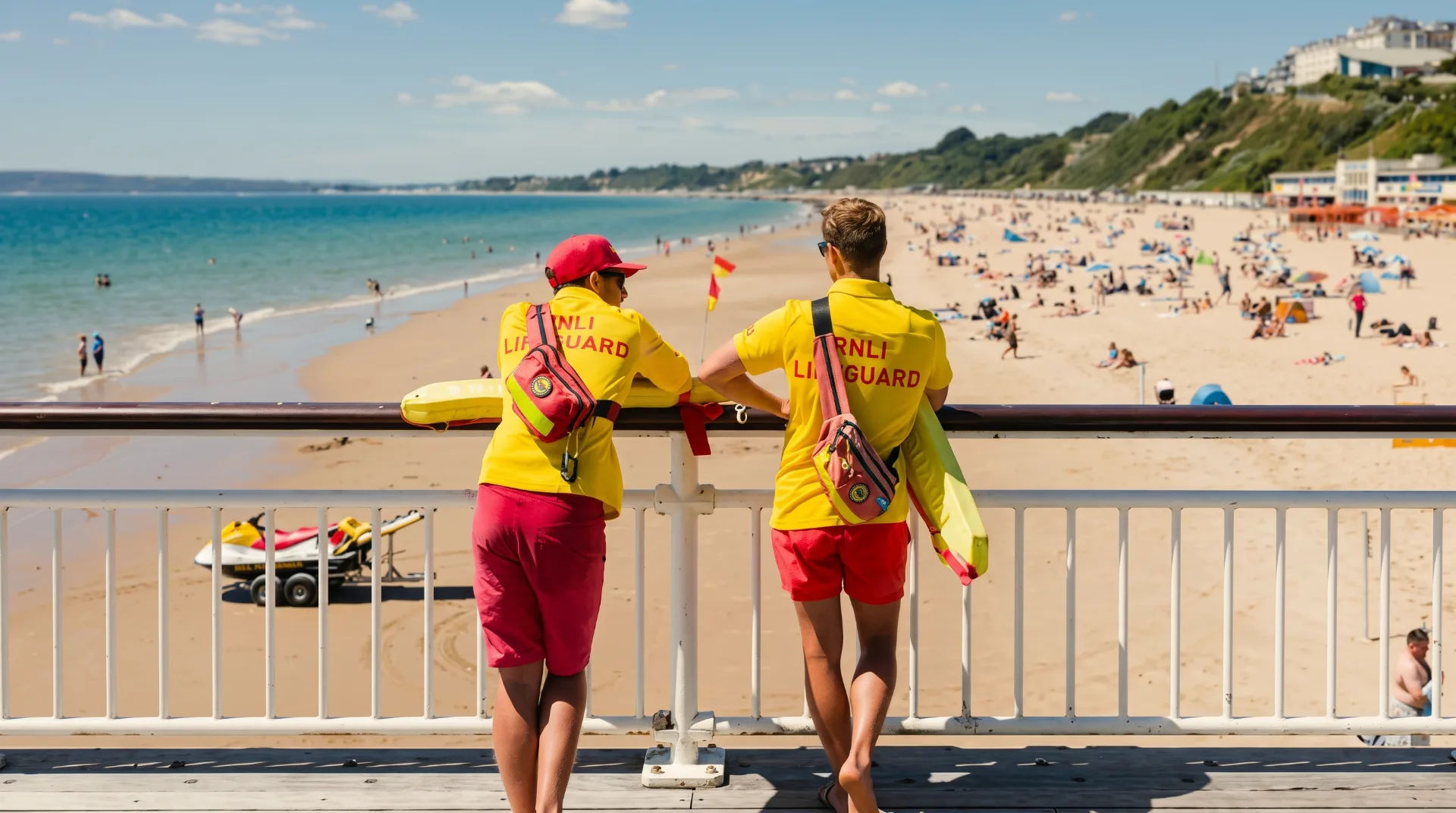
Lifeguards and where to swim safely in Bournemouth
The RNLI provides lifeguard cover on Bournemouth’s main beaches, funded by BCP Council. Lifeguards operate daily during the season, generally from 10am to 6pm, at the following locations and dates:
- Alum Chine: daily from 23 May to 6 September
- Durley Chine: daily from 23 May to 6 September
- Bournemouth West: daily from 28 March to 27 September
- Bournemouth East: daily from 28 March to 27 September
- East Cliff: daily from 18 July to 6 September
- Boscombe West: daily from 23 May to 6 September
- Boscombe East: daily from 28 March to 27 September
- Manor Steps: daily from 18 July to 6 September
- Fisherman’s Walk: daily from 23 May to 6 September
- Southbourne: daily from 23 May to 6 September
These lifeguarded beaches are part of a wider network across Bournemouth, Christchurch and Poole. Lifeguard arrangements in neighbouring Poole and Christchurch differ; their beach safety pages provide specific details. For exact lifeguard locations and patrol times across the area, consult the RNLI website.
Why lifeguards matter for Bournemouth beach safety
Lifeguards play a critical role in Bournemouth beach safety. They monitor sea conditions, respond quickly to emergencies, and provide guidance to swimmers. Their presence reassures families and casual beachgoers, especially those unfamiliar with the sea. Lifeguards also enforce safety rules, such as swimming only in designated areas, which helps prevent accidents caused by tides and currents.
Swimming between the flags: the safest choice
Designated bathing areas are marked by red and yellow RNLI flags indicating lifeguard patrol zones. Swimming between these flags is the safest option. These zones prohibit boats, personal watercraft, wind or kite surfers, and large solid bodyboards to protect swimmers from collisions.
If you find yourself caught in a rip current, do not try to swim against it. Instead, relax and float until the current eases. Then swim parallel to the shore to escape the current safely. If you feel in danger, try to remain calm and float to conserve energy while signalling for help if possible.
RNLI beach safety advice for visitors
- Always choose a lifeguarded beach and swim between the red and yellow flags.
- Check weather and tide times before visiting to avoid unexpected conditions.
- Follow all lifeguard instructions and posted safety signs to protect yourself and others.
More detailed safety messages and advice are available on the RNLI’s beach safety page.
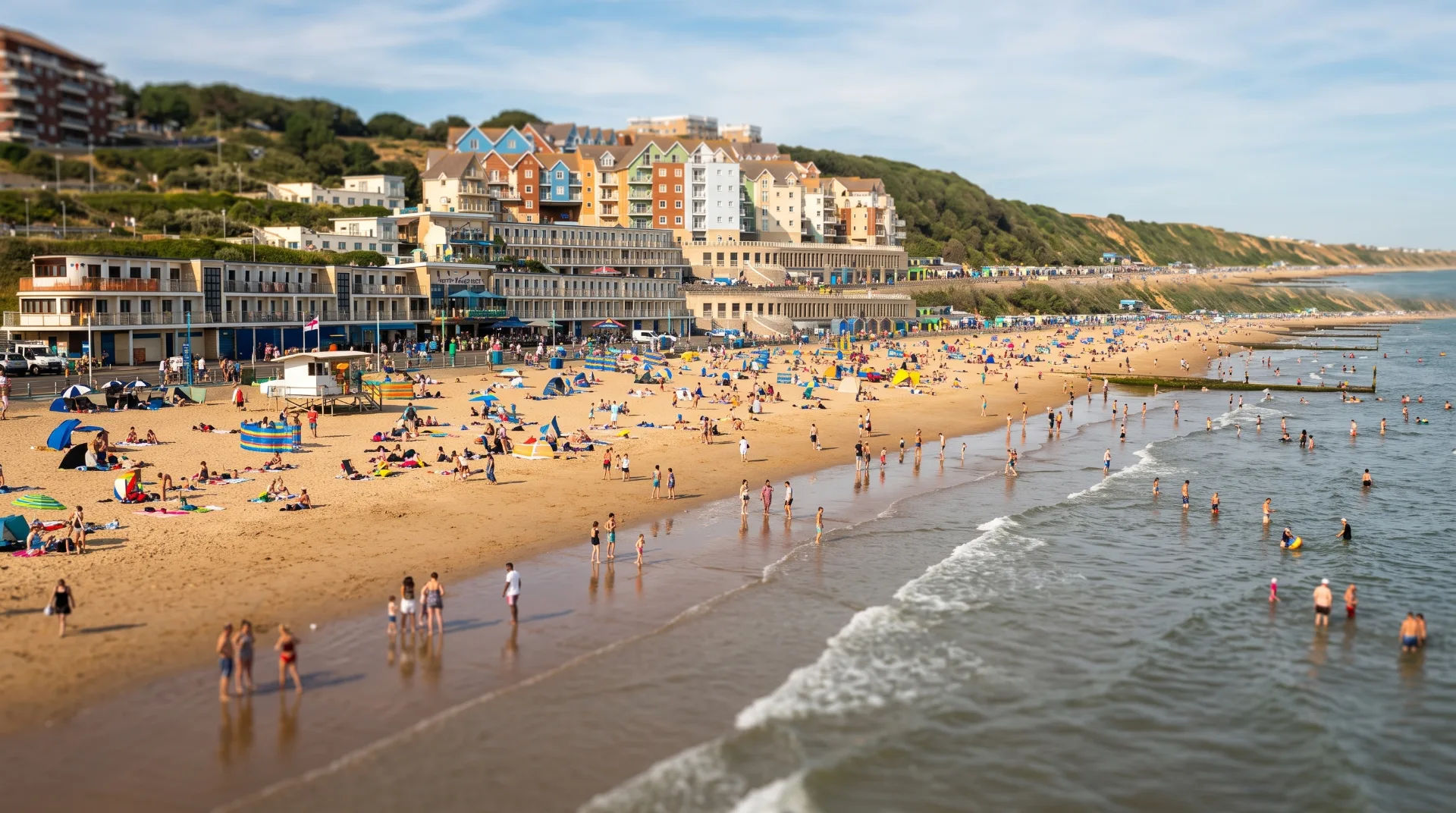
Bournemouth beach safety: Seafront Rangers and visitor support
Bournemouth’s Seafront Rangers are an essential part of maintaining Bournemouth beach safety. They patrol the promenades and beaches, providing advice and assistance to visitors. Their presence helps ensure that everyone enjoys the seafront safely and responsibly.
The rangers operate from offices at:
- Alum Chine (seasonal)
- Durley Chine (seasonal)
- Bournemouth Beach
- Boscombe Beach
- Fisherman’s Walk (seasonal)
- Southbourne Beach (seasonal)
Seafront Rangers assist with safety information, lost property, and reporting hazards. They also help enforce local bylaws, including dog restrictions and littering rules, contributing to a safer, cleaner beach environment.
Dogs on Bournemouth beaches: rules for safe enjoyment
Dogs are permitted on all Bournemouth beaches from 1 October to 30 April. During this period, owners must clean up after their dogs. Failure to do so risks a fine of up to £1000. This rule helps maintain hygiene and safety for all beach users.
From 1 May to 30 September, dogs are not allowed on any Blue Flag or Seaside Award beaches. This seasonal restriction supports Bournemouth beach safety by reducing risks to swimmers and families during the busy summer months.
During the dog ban period, dogs must be kept on a lead at all times on promenades, piers, zig zags and footpaths. This helps prevent conflicts and accidents in crowded areas.
A detailed Dogs on the beach map shows the specific areas and restrictions, so dog owners can plan visits accordingly.
Sun safety and hydration advice for a safe beach day
Sun safety is a vital part of Bournemouth beach safety. The NHS recommends using sunscreen with a high SPF, wearing protective clothing such as hats and sunglasses, and seeking shade during peak sun hours between 11am and 3pm. Protecting skin from UV rays reduces the risk of sunburn and long-term damage.
Advice for adults and children on sun protection can be found on the NHS website.
Staying hydrated is equally important, especially in hot weather. Bournemouth provides free fresh water refill stations along the seafront, marked by bright signage. Visitors are encouraged to bring reusable bottles and can locate refill points using the free Refill app. Drinking plenty of water helps prevent dehydration and heat exhaustion, which can affect safety and enjoyment.
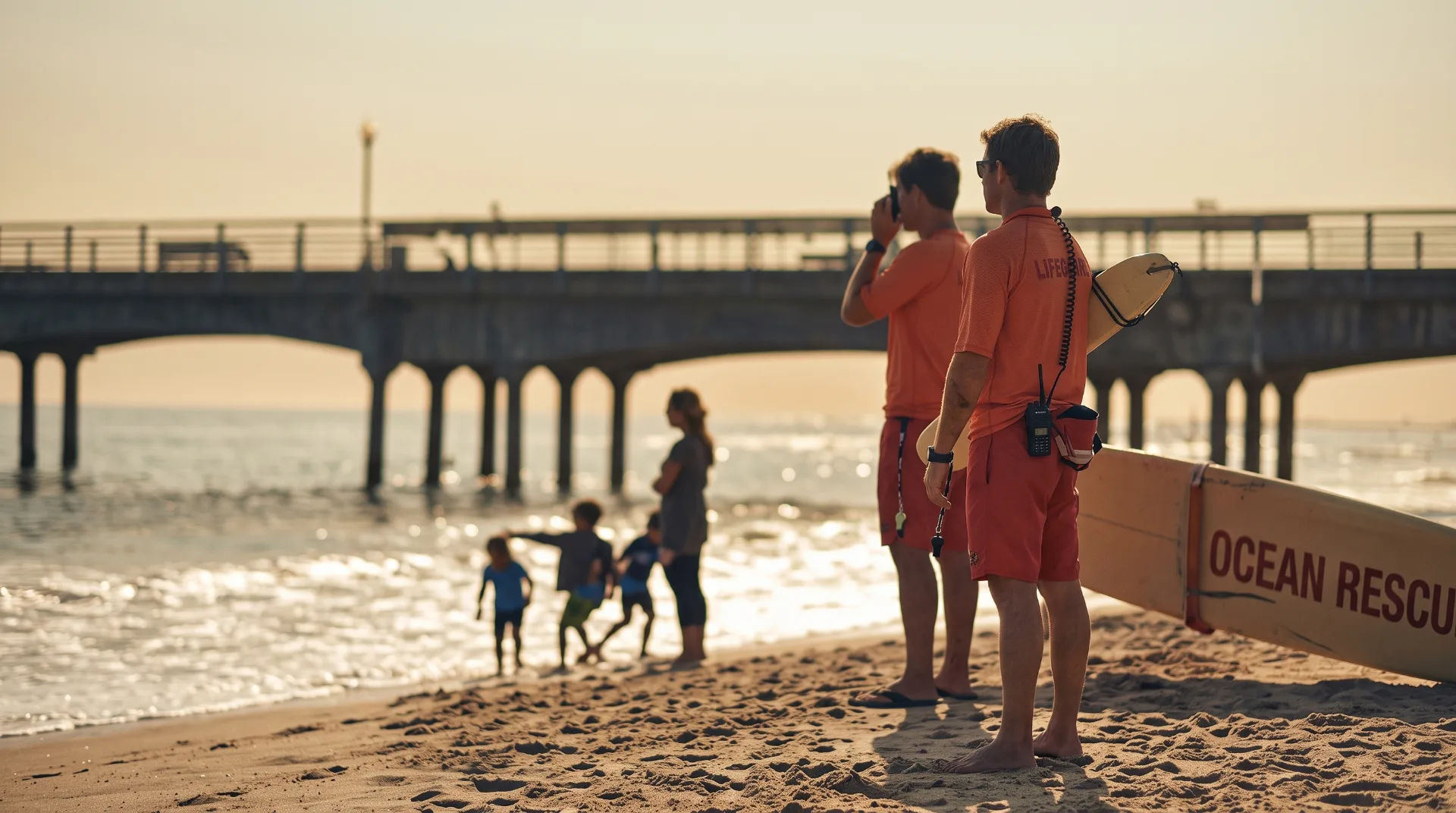
Getting to Bournemouth beaches safely
Most of Bournemouth’s lifeguarded beaches are accessible on foot from the town centre or by local bus services. The seafront promenade links beaches from Boscombe to Southbourne, with clear signage and access points, making it easy and safe to move between locations.
Car parking is available near major beaches such as Bournemouth Beach, Boscombe, and Southbourne. Charges vary by location and season. For detailed parking information and public transport options, see the Visitor Information page.
Planning your journey carefully helps maintain Bournemouth beach safety by avoiding congestion and ensuring you arrive alert and ready to enjoy the day.
Who the beach safety measures suit
The lifeguard patrols and safety zones suit families, casual swimmers, and visitors unfamiliar with sea conditions. The RNLI’s advice and presence help reduce risks from tides, currents and changing weather. This makes Bournemouth beaches welcoming and safer for all.
Dog owners benefit from the seasonal restrictions and designated dog-friendly areas. These rules ensure safe enjoyment for all beach users, balancing the needs of swimmers and dog walkers.
Sun safety and hydration facilities support visitors spending extended time outdoors. This includes those with children or sensitive skin who need extra protection from the sun.
Bournemouth beach safety: tips for a worry-free visit
- Always swim between the flags on lifeguarded beaches.
- Obey lifeguards’ instructions and be aware of changing sea conditions.
- Keep an eye on children and inexperienced swimmers at all times.
- Respect dog restrictions and keep beaches clean.
- Use sunscreen regularly and stay hydrated throughout the day.
- Plan your travel and parking in advance to avoid stress.
Following these tips helps everyone enjoy Bournemouth’s beautiful beaches safely.
Further information and related pages
For comprehensive details on Bournemouth’s beaches, including family-friendly spots and watersports, see the Bournemouth Beaches Guide. To explore activities and attractions near the seafront, visit Things to Do. For dining options close to the beach, see Food & Drink.
For background on the RNLI and lifeguard services, visit RNLI. For official local authority information on beach safety and services, see BCP Council.
Bournemouth’s commitment to beach safety ensures a welcoming environment where visitors can relax and enjoy the sea with confidence. Whether you are swimming, walking your dog, or simply soaking up the sun, understanding and following Bournemouth beach safety advice will help make your day by the sea safe and enjoyable.