
History and Culture

Explore Bournemouth’s transformation from heathland to a Victorian seaside resort, its museums, historic buildings, and lively cultural events throughout the ye

Bournemouth’s history begins in the early 19th century when it transformed from open heathland into a seaside resort. Its cultural life today reflects this Victorian heritage alongside contemporary arts, museums, and events. This page covers Bournemouth’s historical development, key cultural institutions, notable heritage sites, and ongoing cultural activities.
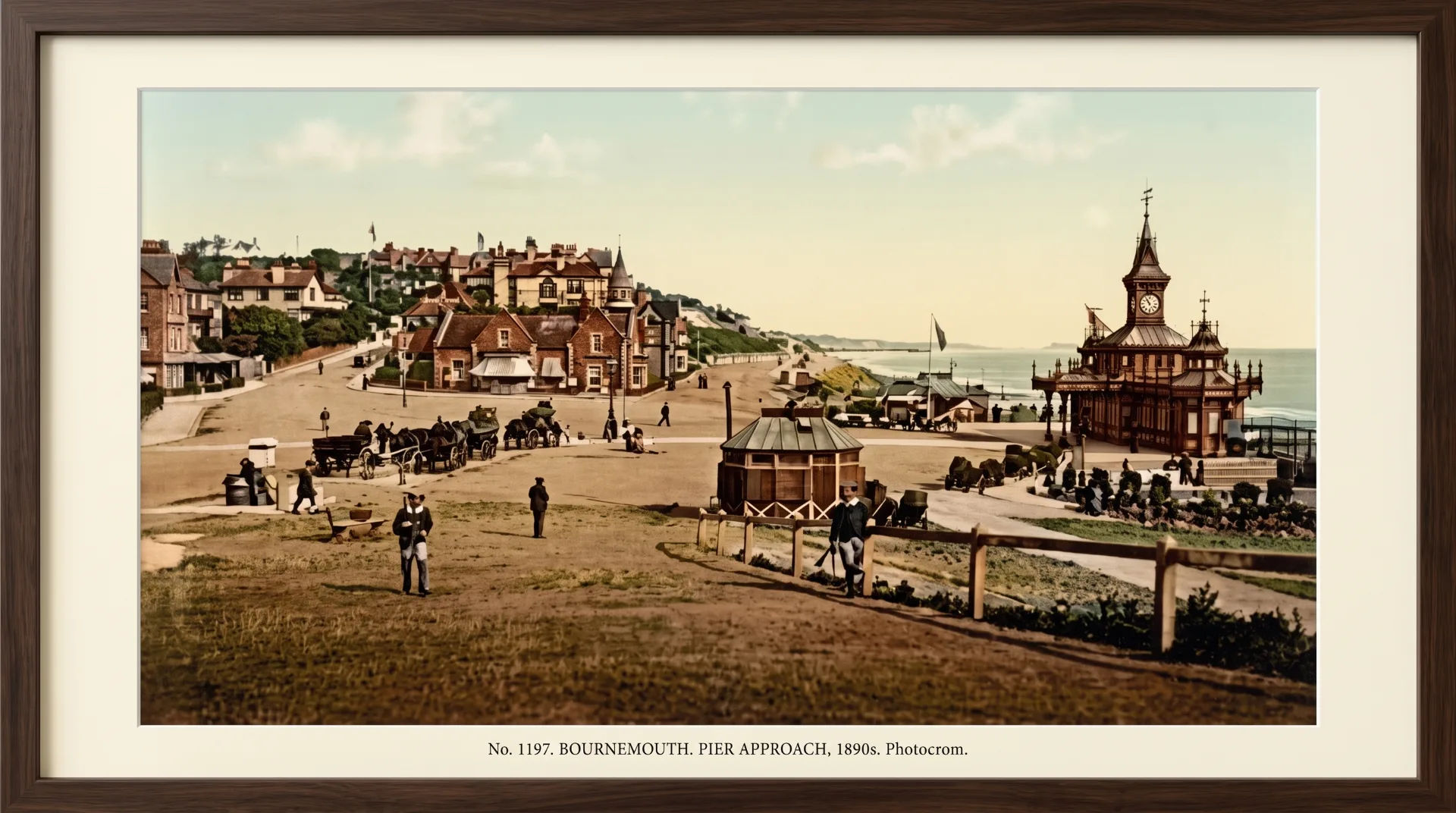
Historic view of Bournemouth Pier Approach with horse-drawn carriages and Victorian architecture, 1890s
A vibrant glimpse of Bournemouth's past, showcasing the Pier Approach and its Victorian charm in the 1890s.

How Bournemouth developed as a seaside town

Bournemouth started as a small village on heathland until the 1810s when Dr. Lewis Tregonwell built a house here, recognising the health benefits of sea air. The town grew rapidly through the Victorian era, driven by the arrival of the railway in 1870 which connected Bournemouth to London in under three hours. This access encouraged wealthy visitors and holidaymakers, prompting the construction of hotels, villas, and the iconic Bournemouth Pier in 1880.

The town’s layout reflects its Victorian origins, with tree-lined avenues and large Regency and Victorian houses, especially in the West Cliff and East Cliff areas. Bournemouth continued to expand through the 20th century, developing a strong tourism economy and cultural infrastructure.

For more on Bournemouth’s origins and growth, see the detailed History of Bournemouth.

Key cultural institutions and museums

Bournemouth hosts several museums and galleries that showcase local history, art, and natural science. The Russell-Cotes Art Gallery & Museum, located on East Cliff, is a Victorian villa with collections of Victorian paintings, world art, and decorative objects, alongside terraced gardens with sea views. It provides insight into Bournemouth’s cultural past and the tastes of its early residents.

The Bournemouth Natural Science Society and Museum on Christchurch Road offers exhibits on geology, Egyptology, and live creatures, with free entry most Tuesdays. It is a valuable resource for natural history enthusiasts and families.

For a broader cultural experience, the Bournemouth Symphony Orchestra performs regularly at the Lighthouse theatre, the largest arts centre in the town. The venue also hosts theatre productions, comedy, and dance.

Explore more cultural venues and activities in the Attractions section.
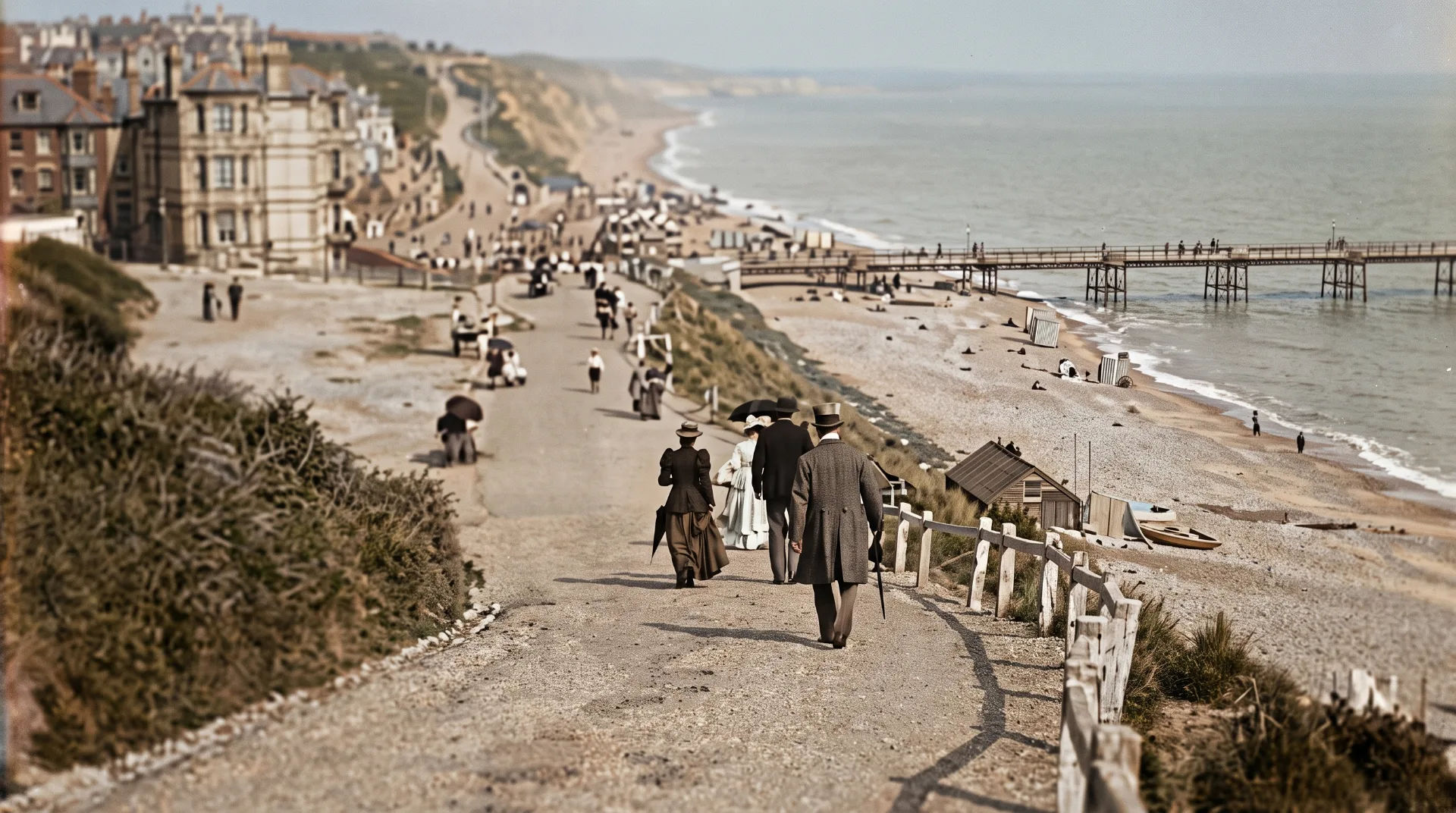
Victorian-era promenade with people walking towards the beach, vintage buildings and pier in the background
A glimpse into Bournemouth's past, showcasing a busy Victorian promenade leading to the beach and pier.

Heritage sites and historic buildings

Bournemouth’s heritage includes several listed buildings and historic sites. The Bournemouth Pier remains a central landmark, originally opened in 1880 and rebuilt after storm damage. It features a helter skelter and amusements, linking the town’s Victorian past with modern leisure.

St. Peter’s Church, built in the late 19th century, stands near the town centre and is noted for its Gothic Revival architecture. The town’s gardens, such as the Lower Gardens, were designed during the Victorian period and continue to be a focal point for visitors.

Nearby, the Hengistbury Head promontory offers archaeological remains from the Iron Age and Roman periods, connecting Bournemouth’s location to much older history beyond the seaside resort era.

Cultural events and festivals

Bournemouth hosts a range of cultural events throughout the year that reflect its diverse community and artistic interests. The Bournemouth Reggae Weekender is a popular music festival held in the summer, featuring reggae, dancehall, and related genres with headline acts and local performers.

The town’s theatres and venues regularly present live music, comedy, and theatre productions. Events such as SoundsDownSouth Presents: NEXUS showcase electronic and dance music, attracting younger audiences.

Seasonal events, including Christmas markets and cultural talks, contribute to the town’s vibrant calendar. For up-to-date listings, see the What’s On page.

How to explore Bournemouth’s history and culture

Many of Bournemouth’s cultural sites are within walking distance of the town centre and seafront. The Russell-Cotes Museum and Bournemouth Natural Science Society are accessible by bus or a 15-minute walk from Bournemouth railway station. The Lower Gardens stretch from the town centre to the beach, offering a scenic route through historic parkland.

Guided walks and tours are available, focusing on the town’s Victorian architecture, literary connections, and coastal heritage. These provide context for the buildings and sites seen along the way.

For a wider exploration of Dorset’s heritage, including the Jurassic Coast World Heritage Site, visit Visit Dorset or the Jurassic Coast Trust.

Who benefits from Bournemouth’s cultural offerings

Bournemouth’s history and culture appeal to a broad range of visitors. Families enjoy museums with interactive exhibits and gardens for outdoor activities. History enthusiasts find interest in the town’s Victorian architecture and archaeological sites nearby.

Art lovers can attend gallery exhibitions and live performances, while music fans have access to festivals and orchestral concerts. The cultural calendar supports local artists and brings diverse communities together.

Those planning a visit can combine cultural experiences with the town’s natural attractions, including seven miles of sandy beaches. For accommodation close to cultural venues and the seafront, see options in the Where to Stay guide.

Costs and opening times for cultural sites

Most museums in Bournemouth charge a modest entry fee or offer free admission on certain days. The Russell-Cotes Art Gallery & Museum charges around £6 for adults, with concessions available. The Bournemouth Natural Science Society Museum is free on Tuesdays and charges a small fee on other days.

The Lighthouse theatre ticket prices vary by event, with orchestral concerts typically ranging from £15 to £40. Many festivals have free or ticketed entry depending on the programme.

Opening hours generally run from 10am to 5pm for museums, with some closed on Mondays. Check individual websites or the Attractions page for current details before planning a visit.

Getting to cultural sites from Bournemouth station

Bournemouth railway station is a hub for visitors arriving by train. From the station, the Russell-Cotes Museum is a 15-minute walk east along Holdenhurst Road and East Overcliff Drive. Local buses also serve routes to the seafront and cultural venues.

The Lower Gardens and town centre, including theatres and galleries, lie about 10 minutes on foot southwest of the station. Taxis and bike hire are available for quicker access to sites further along the coast or inland.

For train times and travel advice, see National Rail.

Things To Do

More in this section

  • Activities Explore Bournemouth’s wide range of activities including scenic walks, cycling routes, fishing spots, wildlife watching, health spas, shopping, sports and indoo
  • Beach Hut Hire Hire a colourful beach hut in Bournemouth for a private base on the seafront. Learn about locations, booking, costs and what to expect during your beach day.
  • Beach Safety Discover how Bournemouth keeps its beaches safe with RNLI lifeguards, swimming zones, dog restrictions, sun protection advice and helpful seafront rangers.
  • Bowls Explore bowls in Bournemouth with details on clubs, greens, membership, facilities and how to get started in this accessible outdoor sport for all ages.
  • Cycling and Mountain Biking Cycling and mountain biking in Bournemouth: routes, trails, bike hire, repairs, safety tips, and how to reach key locations from the town centre
  • Dancing Explore Bournemouth's vibrant dance scene with venues, classes and events covering ballroom, ballet, hip hop and social dancing for all ages and abilities.
  • Entertainment Explore Bournemouth’s vibrant entertainment scene, from major concert halls and theatres to cinemas, comedy nights, family fun and lively nightlife venues.
  • Fairgrounds Bournemouth fairgrounds offer traditional seaside rides, games and food stalls mainly during school holidays. Find out where to go, what rides to expect and tic
  • Family Fun Explore Bournemouth’s best family-friendly beaches, attractions and eateries. Find practical tips on access, costs and planning a perfect day out with children
  • Football Explore football in Bournemouth: from AFC Bournemouth and local clubs to youth leagues, playing venues and ways to watch or join the game across the town.
  • Golf Golf in Bournemouth offers a range of courses from parkland to links styles, catering to all skill levels and preferences.
  • Health and Spa Explore Bournemouth's health and spa facilities, from hotel spas with outdoor pools to day spas offering massages, facials, and wellness packages for all budget
Common questions

Frequently asked questions

How did Bournemouth develop as a seaside town?

Bournemouth began as a small village on heathland until the 1810s when Dr Lewis Tregonwell built a house recognising the health benefits of sea air. The town grew rapidly during the Victorian era, especially after the railway arrived in 1870, connecting Bournemouth to London in under three hours. This access encouraged wealthy visitors and holidaymakers, leading to the construction of hotels, villas, and the iconic Bournemouth Pier in 1880.

What are the key cultural institutions and museums in Bournemouth?

Bournemouth is home to several museums and galleries that showcase local history, art, and natural science. The Russell-Cotes Art Gallery & Museum on East Cliff is a Victorian villa with collections of Victorian paintings, world art, and decorative objects, plus terraced gardens with sea views. The Bournemouth Natural Science Society and Museum offers exhibits on geology, Egyptology, and live creatures, with free entry most Tuesdays. The Bournemouth Symphony Orchestra performs regularly at the Lighthouse theatre, the town's largest arts centre.

What heritage sites and historic buildings can visitors see in Bournemouth?

Bournemouth features several listed buildings and historic sites including the Bournemouth Pier, originally opened in 1880 and rebuilt after storm damage, which still offers amusements and a helter skelter. St Peter's Church near the town centre is noted for its Gothic Revival architecture. The Victorian-era Lower Gardens remain a focal point for visitors. Nearby Hengistbury Head contains archaeological remains from the Iron Age and Roman periods, connecting the area to much older history.

What cultural events and festivals take place in Bournemouth?

Bournemouth hosts a variety of cultural events throughout the year. The Bournemouth Reggae Weekender is a popular summer music festival featuring reggae and dancehall genres with headline acts and local performers. Theatres and venues regularly present live music, comedy, and theatre productions, including electronic and dance music events like SoundsDownSouth Presents: NEXUS. Seasonal events such as Christmas markets and cultural talks also contribute to the town's vibrant calendar.

How can visitors explore Bournemouth’s history and culture?

Many cultural sites are within walking distance of the town centre and seafront. The Russell-Cotes Museum and Bournemouth Natural Science Society are accessible by bus or a 15-minute walk from Bournemouth railway station. The Lower Gardens provide a scenic route from the town centre to the beach. Guided walks and tours focusing on Victorian architecture, literary connections, and coastal heritage offer added context for visitors.

Who benefits from Bournemouth’s cultural offerings?

Bournemouth's cultural attractions appeal to a wide range of visitors. Families enjoy interactive museum exhibits and gardens for outdoor activities. History enthusiasts appreciate the Victorian architecture and nearby archaeological sites. Art lovers can attend gallery exhibitions and live performances, while music fans have access to festivals and orchestral concerts. The cultural calendar supports local artists and brings diverse communities together.

What are the costs and opening times for Bournemouth’s cultural sites?

Most museums charge a modest entry fee or offer free admission on certain days. The Russell-Cotes Art Gallery & Museum charges around £6 for adults with concessions available. The Bournemouth Natural Science Society Museum is free on Tuesdays and charges a small fee on other days. Museums generally open from 10am to 5pm and may be closed on Mondays. Ticket prices for performances at the Lighthouse theatre vary by event, typically ranging from £15 to £40 for orchestral concerts.

How do I get to cultural sites from Bournemouth railway station?

Bournemouth railway station is a convenient arrival point for visitors. The Russell-Cotes Museum is about a 15-minute walk east along Holdenhurst Road and East Overcliff Drive. Local buses serve routes to the seafront and cultural venues. The Lower Gardens and town centre, including theatres and galleries, lie roughly 10 minutes on foot southwest of the station. Taxis and bike hire are available for quicker access to sites further along the coast or inland.

Book Your Bournemouth Cultural Stay Today

Secure your accommodation directly and save around 15 per cent compared to online travel agents. A 25 per cent deposit is all you need to confirm your booking and enjoy Bournemouth’s rich history and culture.

Book direct with Flexiestays

Use code SUMMER10 for 10 per cent off

Planning your visit?

Where to stay in Bournemouth

Clifftop hotels, serviced apartments a street back from the sand and the quieter beds out at Southbourne, with the areas each one suits.

Where to stay →