
Date with Nature is an annual event held in Bournemouth that celebrates the town's natural environment through a series of guided walks, talks, and activities. It offers opportunities to explore local wildlife, parks, gardens, and nature reserves with expert-led sessions designed for all ages and interests. This page outlines what Date with Nature involves, where and when it takes place, how to participate, and what to expect.
What Date with Nature includes
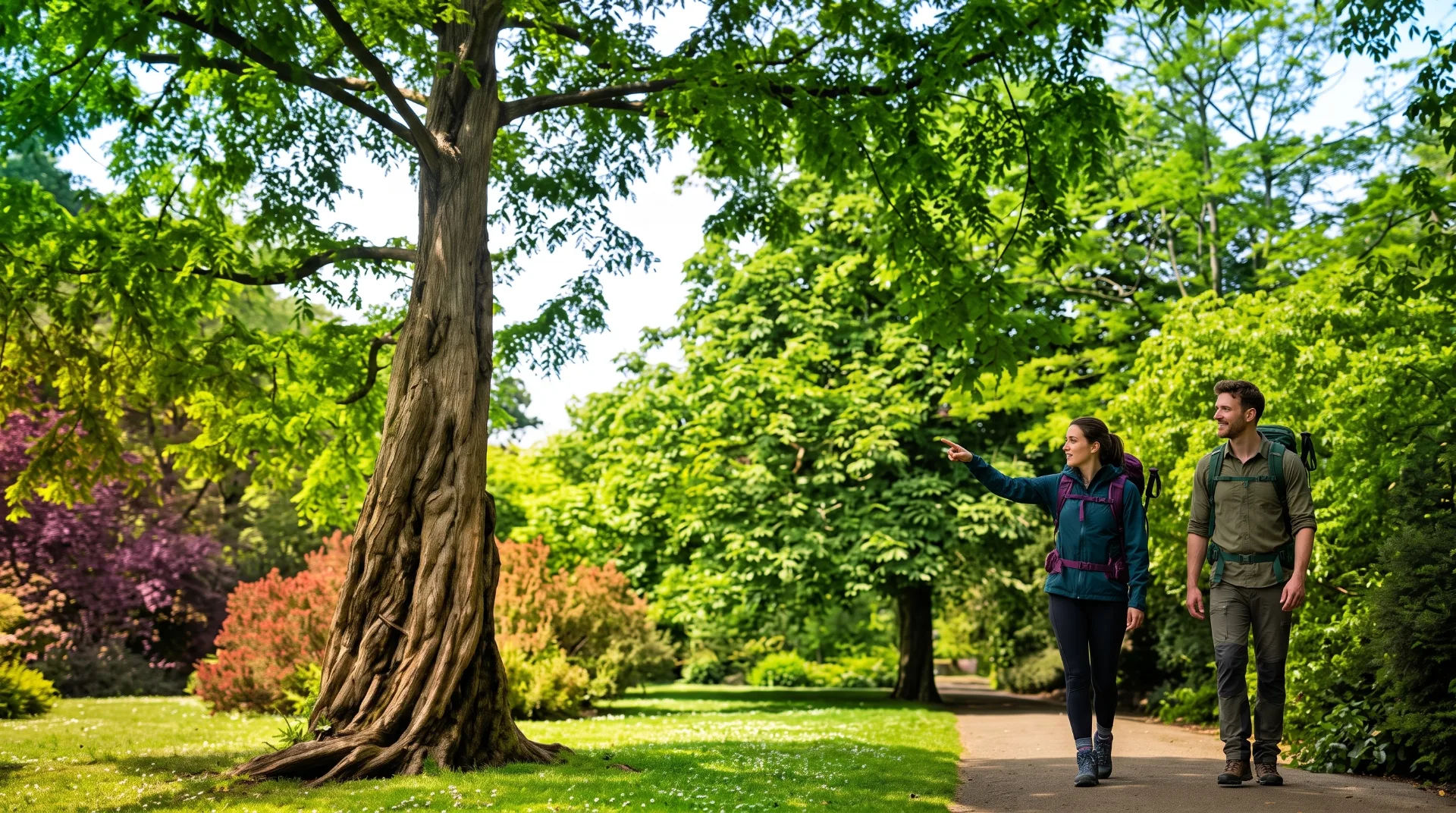
Date with Nature features a variety of outdoor activities focused on Bournemouth’s diverse natural habitats. These include guided walks in locations such as the Lower Gardens, Hengistbury Head, and Turbary Common Local Nature Reserve. Participants can join birdwatching sessions, wildflower identification tours, and family-friendly nature crafts. Talks by ecologists and conservationists cover topics like local species, habitat restoration, and environmental challenges.
The event typically runs over several days in spring or early summer, coinciding with the season when wildlife is most active and gardens are in bloom. Activities are often free or low cost, with some requiring advance booking due to limited spaces. The programme caters to different levels of mobility and knowledge, from casual walkers to keen naturalists.
Guided Walks
One of the highlights of Date with Nature is the range of guided walks available. These walks are led by local experts who share their knowledge about the flora, fauna, and geology of the area. For example, a walk through the Lower Gardens might focus on identifying native and exotic tree species, explaining the history of the gardens and their design. Coastal walks at Hengistbury Head offer insights into the geology of the cliffs and the migratory birds that visit the area.
Wildlife Spotting and Identification
For those interested in wildlife, Date with Nature provides opportunities to observe and identify a variety of species. Birdwatching sessions are popular, especially during migration periods when rare species may be spotted. Wildflower identification tours help participants learn about the plants that thrive in Dorset’s heathland and coastal environments. Family activities often include bug hunting and pond dipping, which engage children with hands-on experiences.
Talks and Workshops
In addition to outdoor activities, Date with Nature includes talks and workshops by ecologists, conservationists, and local naturalists. These sessions cover topics such as habitat restoration projects, the impact of climate change on local ecosystems, and the importance of biodiversity. Workshops may teach skills like how to create wildlife-friendly gardens or how to use binoculars and field guides effectively.
Where to take part in Date with Nature
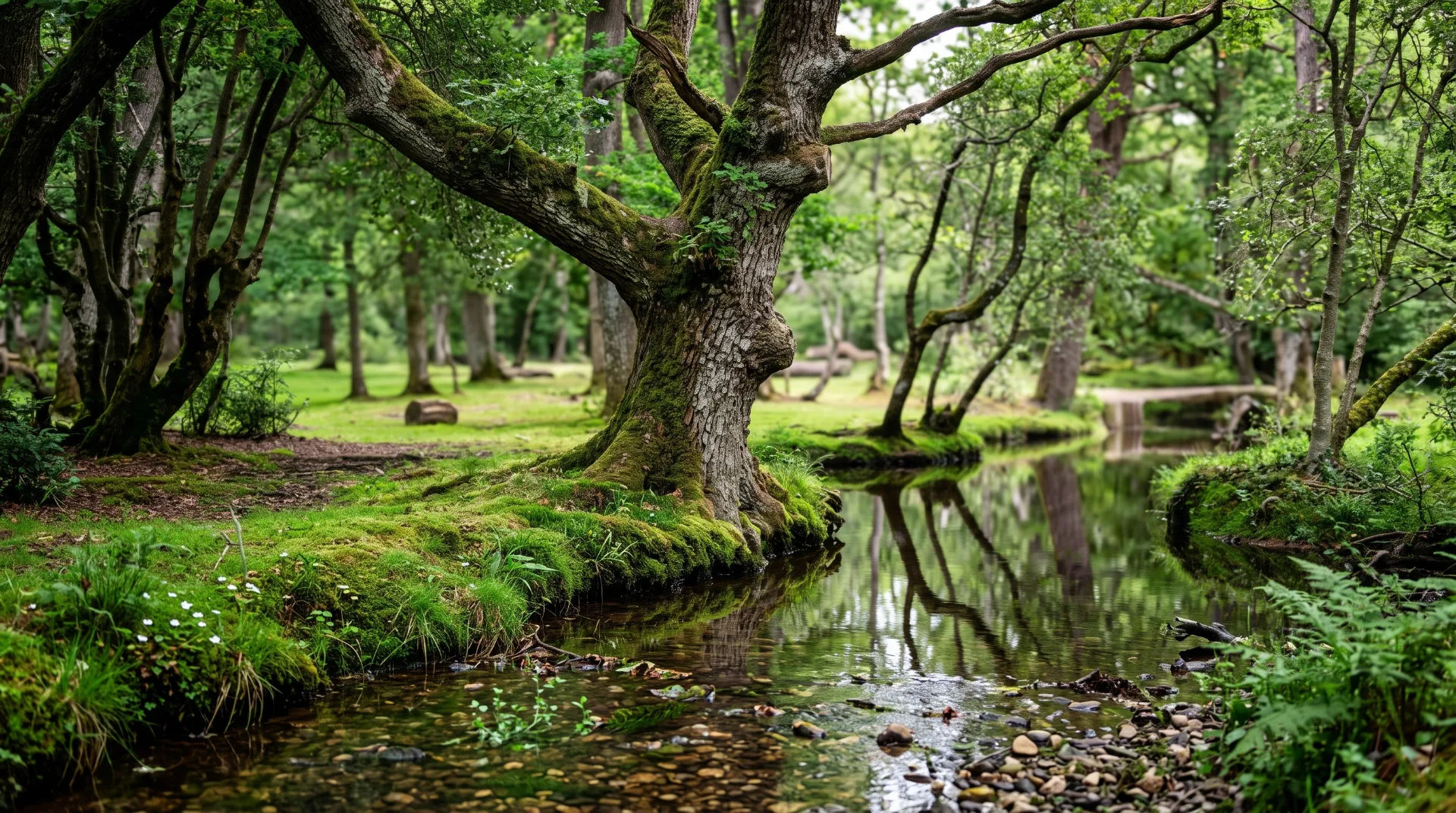
Most Date with Nature activities take place across Bournemouth’s parks, nature reserves, and coastal areas, accessible from the town centre and surrounding neighbourhoods. Key locations include:
- Lower, Central and Upper Gardens: Bournemouth’s extensive public gardens offer easy walking routes and seasonal flower displays. Guided tours here focus on tree species and garden design.
- Turbary Common Local Nature Reserve: A 36-hectare heathland and Site of Special Scientific Interest (SSSI) known for rare birds like the Dartford warbler and reptiles such as sand lizards. Walks explore heathland ecology and conservation efforts.
- Hengistbury Head: A coastal headland with cliffs, beaches, and woodland. Guided walks highlight geology, coastal plants, and migratory birds.
- Boscombe Overcliff Gardens: Clifftop gardens with views over Poole Bay, featuring native and exotic plants, plus occasional wildlife spotting.
- Iford Meadows: Riverside meadows with wildflower habitats and grazing cattle, ideal for butterfly and birdwatching sessions.
Most venues are reachable on foot, by bus, or bicycle from Bournemouth town centre. Some walks start from car parks or visitor centres with facilities such as toilets and refreshments.
Exploring Bournemouth’s Gardens
The Lower, Central and Upper Gardens form a green corridor running from the town centre to the seafront. These Victorian-era gardens are beautifully maintained and feature a variety of plant species, seasonal flower beds, and water features. During Date with Nature, guided tours often focus on the history of the gardens, the variety of trees planted there, and the role of urban green spaces in supporting local wildlife.
Heathland and Rare Species at Turbary Common
Turbary Common Local Nature Reserve is Bournemouth’s largest heathland and a designated Site of Special Scientific Interest. The heath supports specialised wildlife, including the Dartford warbler, a small, colourful bird that is rare in the UK, and sand lizards, which rely on the warm sandy soil. Guided walks here provide a fascinating insight into heathland ecology, the challenges of habitat management, and ongoing conservation work to protect these species.
Coastal and Woodland Habitats at Hengistbury Head
Hengistbury Head is a unique coastal headland offering a mix of cliffs, beaches, and woodland habitats. It is a hotspot for migratory birds and coastal plants adapted to salty, windy conditions. Guided walks explore the geological formations, the history of human settlement on the headland, and the diverse wildlife found there. The site is also important for marine conservation, with views over Christchurch Harbour and the English Channel.
Clifftop Views and Wildlife at Boscombe Overcliff Gardens
Boscombe Overcliff Gardens provide a peaceful setting above the seafront with panoramic views over Poole Bay. The gardens feature a mix of native and exotic plants, attracting pollinators and small birds. Occasional wildlife spotting sessions are held here, focusing on butterflies, bees, and coastal birds.
Riverside Meadows at Iford Meadows
Iford Meadows is a tranquil riverside nature reserve featuring wildflower meadows and grazing cattle. It is an excellent location for butterfly and birdwatching, with species such as meadow brown butterflies and kingfishers frequently seen. Guided sessions here often include discussions about traditional meadow management and the importance of maintaining diverse habitats.
How to join Date with Nature activities
Participation in Date with Nature usually requires booking in advance, especially for specialist walks and talks. Booking details are published on the official Bournemouth events website and local community centres. Walks often have a maximum group size of 15 to 20 people to ensure a quality experience.
Walks and activities generally last between one and two hours, with some longer excursions available. Participants are advised to wear suitable outdoor clothing and footwear, and bring water and sun protection in warm weather. Binoculars and field guides are useful for wildlife spotting but not essential.
Volunteers and local naturalists often lead the sessions, providing expert knowledge and answering questions. Family-friendly activities are designed to engage children with hands-on experiences such as pond dipping or bug hunting.
Booking and Preparation
To take part in Date with Nature, it is best to check the official Bournemouth Council website or local event listings for the latest programme and booking instructions. Many activities are free or low cost, but places can be limited, so early booking is recommended. Some walks may have age restrictions or require a moderate level of fitness.
Participants should prepare by wearing comfortable, weather-appropriate clothing and sturdy footwear suitable for uneven terrain. Bringing binoculars, a camera, or a notebook can enhance the experience for those interested in wildlife observation or nature journaling. For family activities, parents may want to bring additional items such as insect pots or magnifying glasses for children.
Accessibility and Family-Friendly Options
Date with Nature offers a range of activities suitable for different mobility levels. Some locations, like the Lower Gardens, have wheelchair-friendly paths and gentle routes ideal for families with young children or those with limited mobility. More challenging walks, such as coastal hikes at Hengistbury Head, require a reasonable level of fitness and sturdy footwear.
Family-friendly sessions are designed to be interactive and educational, often including crafts, games, and hands-on exploration. These activities help children develop an appreciation for nature and encourage outdoor learning.
When Date with Nature takes place
Date with Nature is scheduled annually, usually in late spring or early summer, when Bournemouth’s natural areas are at their most vibrant. The event spans several days or a week, with a full programme of activities released in advance.
Weather conditions can affect some outdoor activities, so organisers provide updates and alternative arrangements if necessary. Early booking is recommended to secure places on popular walks and talks.
For up-to-date information on dates, times, and booking, consult the Bournemouth Council website or local event listings.
Seasonal Timing and Wildlife Highlights
Late spring and early summer are ideal times for Date with Nature as this period coincides with the peak of wildlife activity. Many bird species are nesting or migrating, wildflowers are in full bloom, and insects such as butterflies and bees are abundant. This timing allows participants to experience the richness of Bournemouth’s natural habitats at their best.
Weather Considerations
As an outdoor event, Date with Nature is weather dependent. Organisers monitor forecasts closely and may reschedule or cancel activities in the event of heavy rain or strong winds. Participants are advised to check for updates before attending and to dress for the weather, bringing waterproofs or sun protection as needed.
Who Date with Nature suits
Date with Nature is suitable for a wide range of people interested in exploring Bournemouth’s outdoors. It appeals to families looking for educational and engaging activities, nature enthusiasts keen to learn about local wildlife, and visitors wanting to discover the town’s green spaces.
The event offers options for different fitness levels, from gentle garden strolls to more challenging coastal hikes. Accessibility varies by location, with some sites offering wheelchair-friendly paths and others requiring moderate walking.
Those new to wildlife identification or conservation will find introductory sessions helpful, while experienced naturalists can join specialist talks and detailed field trips.
For Families and Children
Families benefit from the event’s interactive and hands-on activities designed to engage children with nature. These include bug hunts, pond dipping, and craft workshops that encourage curiosity and learning about the environment. The friendly atmosphere and expert guides make it a safe and enjoyable experience for children of all ages.
For Beginners and Casual Nature Lovers
If you are new to wildlife watching or simply enjoy being outdoors, Date with Nature offers gentle walks and introductory talks that provide a welcoming environment to learn. Guides explain species identification in simple terms and encourage questions, making it accessible for all.
For Experienced Naturalists
More experienced participants can join specialist field trips and talks that delve deeper into topics such as habitat management, species monitoring, and conservation challenges. These sessions provide opportunities to connect with local experts and other enthusiasts.
Related outdoor activities in Bournemouth
For further exploration of Bournemouth’s natural environment, the town offers many other attractions and walks:
- The Bournemouth Gardens Tree Trail provides a self-guided nature walk through the Lower, Central and Upper Gardens.
- Coastal routes such as the Bournemouth coastal walks include paths along the clifftops and beaches, with views over Poole Bay.
- Nature reserves like Turbary Common Local Nature Reserve and Boscombe Overcliff Gardens are open year-round for independent visits.
- Family-friendly nature activities and events are featured regularly in the Things to Do section.
These provide year-round opportunities to enjoy Bournemouth’s natural heritage beyond the Date with Nature event.