
The South Coast of England stretches from Hampshire through Dorset to East Devon, offering a diverse mix of coastal towns, natural landscapes and cultural attractions. It is known for its sandy beaches, historic harbours, seaside resorts and access to the Jurassic Coast World Heritage Site. This page covers the main areas along the South Coast, key destinations, travel options, seasonal highlights and practical information for visitors.
Main Areas of the South Coast
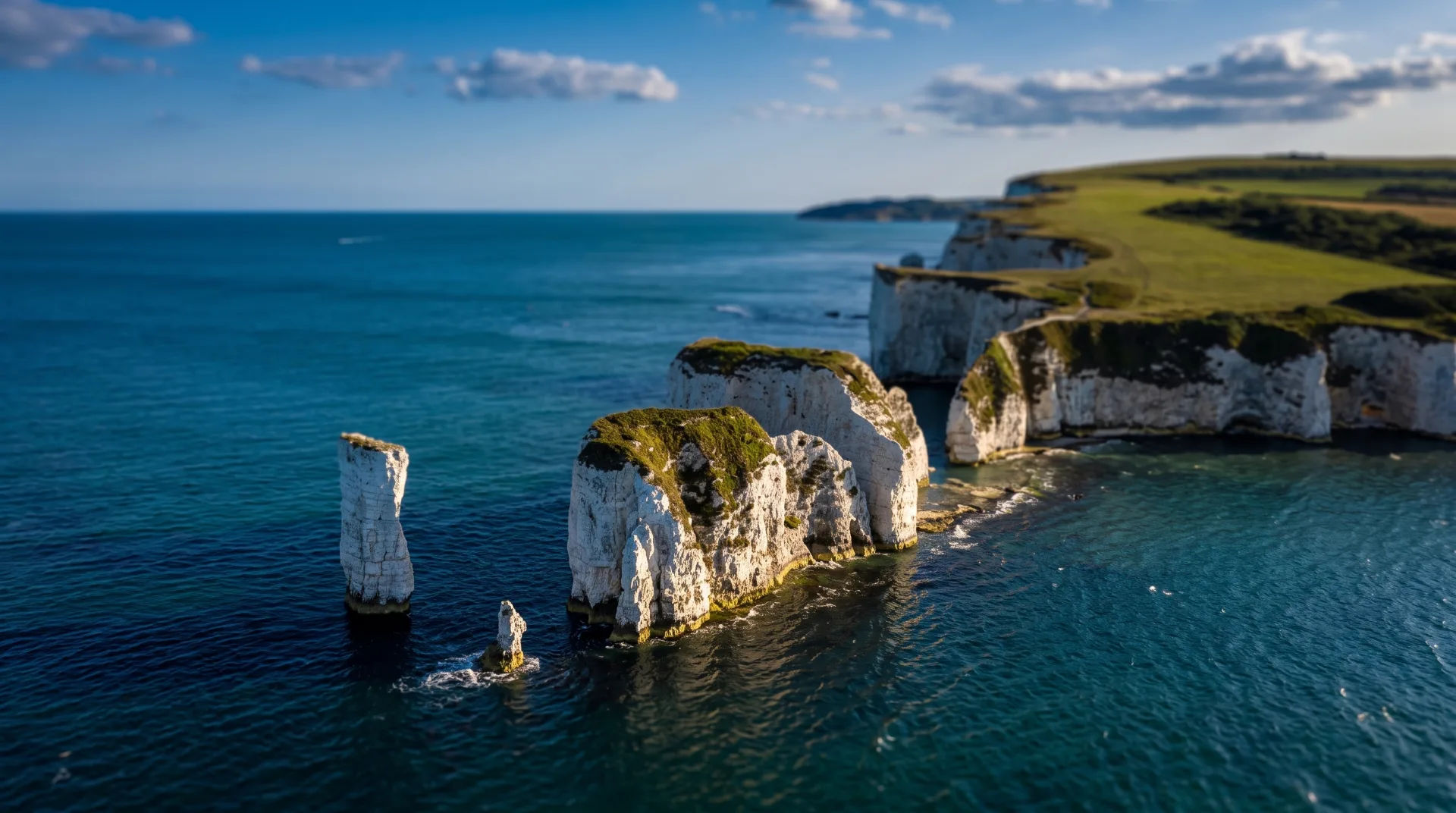
The South Coast includes several counties and towns, each with distinct features. Hampshire’s coastline features the busy ports of Southampton and Portsmouth, with maritime heritage and ferry links. Dorset is home to Bournemouth, Poole and Weymouth, with long sandy beaches and the dramatic cliffs of the Jurassic Coast. East Devon includes Exmouth and Sidmouth, known for their pebble beaches and coastal walking paths.
The coastline extends roughly 150 miles from Portsmouth in the east to Lyme Regis in the west, with numerous seaside towns, fishing villages and natural reserves along the way. Bournemouth offers seven miles of sandy beaches and a lively town centre, while Poole Harbour is one of the largest natural harbours in Europe. The Jurassic Coast runs from Exmouth to Studland Bay, featuring geological formations dating back 185 million years.
Key Destinations on the South Coast
- Bournemouth: A major seaside resort with award-winning beaches, a pier with amusements, and a range of restaurants and shops within walking distance of the seafront.
- Poole: Known for its large natural harbour, historic Old Town and access to Brownsea Island nature reserve.
- Weymouth: A traditional seaside town with a sandy beach, Georgian harbour and a promenade popular for family holidays.
- Portsmouth: A naval city with historic dockyards, museums and ferry connections to the Isle of Wight and France.
- Exmouth: A seaside town with a long pebble beach, watersports facilities and the start of the South West Coast Path.
- Sidmouth: A Regency-era town with pebble beaches, cliff walks and a focus on arts and festivals.
Each destination offers a range of accommodation, dining and activities suited to different visitor preferences.
Travel and Access Along the South Coast
The South Coast is well connected by road and rail. The M27 motorway links Southampton, Portsmouth and Bournemouth, while the A35 runs westwards through Dorset to Devon. Rail services connect London Waterloo to Portsmouth, Southampton and Bournemouth, with onward connections to Weymouth and Exeter. Portsmouth Harbour and Southampton provide ferry services to the Isle of Wight, France and the Channel Islands.
Local bus services operate between towns and coastal villages, with seasonal increases in frequency during the summer months. Bournemouth Airport offers flights to UK and European destinations, providing another access point for visitors. For those exploring the coast, the South West Coast Path runs from South Haven Point near Poole to Exmouth and beyond, offering over 600 miles of walking trails along the coast.
Seasonal Highlights on the South Coast
The South Coast experiences a temperate maritime climate, with mild winters and warm summers. Peak visitor season runs from late May to early September, when beaches are busiest and outdoor events are most frequent. Summer festivals include the Bournemouth Air Festival, Weymouth Carnival and various arts and music events across coastal towns.
Spring and autumn offer quieter conditions for walking, wildlife watching and exploring heritage sites. Winter brings festive events in towns such as Bournemouth and Portsmouth, with Christmas markets, light displays and seasonal theatre performances. The South Coast’s natural habitats support migratory birds and marine life, visible year-round at nature reserves and along the shoreline.
Accommodation Options on the South Coast
Visitors to the South Coast can choose from a wide range of accommodation types, including hotels, guesthouses, self-catering apartments and holiday parks. Bournemouth’s West Cliff area features serviced apartments such as those offered by Flexiestays, providing self-contained accommodation close to the beach and town centre.
Poole and Weymouth offer family-friendly hotels and caravan parks near the coast, while smaller towns like Sidmouth have boutique guesthouses and bed and breakfasts. Many coastal resorts provide options suitable for all budgets, from budget hostels to luxury spa hotels. Booking in advance is advisable during the summer months and festival periods.
Activities and Attractions Along the South Coast
The South Coast offers a variety of activities suited to different interests. Water sports including sailing, windsurfing and paddleboarding are popular in Poole Harbour and around Bournemouth. The Jurassic Coast provides opportunities for fossil hunting, guided geology walks and boat tours to sea caves.
Historic attractions include Portsmouth Historic Dockyard, with the HMS Victory and Mary Rose Museum, and Brownsea Island managed by the National Trust. Gardens such as Pinecliff Gardens in Canford Cliffs offer peaceful green spaces with coastal views. Cultural venues, theatres and live music events take place regularly in larger towns, complementing the natural attractions.
For more detailed information on specific beaches, attractions and events, see the dedicated pages on Bournemouth’s Beaches, Attractions and the What's On calendar. Planning a trip can also benefit from the Visitor Information page covering travel and local tips.